The phrase best AI stock predictors sounds almost magical. Software that scans millions of data points, predicts stock movements, and helps everyday investors beat professionals. If that were truly reliable, investing would feel a lot less stressful.
Yet many people feel torn. On one side, there is excitement and curiosity. On the other, quiet skepticism. If AI can really beat the market, why is everyone not already rich?
This question matters more now than ever. AI tools are everywhere. Ads promise higher returns. Social media is full of screenshots showing “AI-picked winners.” Some people feel hopeful. Others feel confused. A few feel regret after trusting tools they did not fully understand.
Let us slow this down and separate what AI stock predictors can actually do from what they are often advertised to do.
Why AI Stock Predictors Became So Popular
Stock markets generate enormous amounts of data every second. Prices, volume, earnings, news, social sentiment, economic indicators, and more.
Humans cannot process all of this in real time. Computers can.
AI tools promise to:
• Analyze vast datasets instantly
• Identify hidden patterns
• Remove emotional decision making
This sounds powerful, and in some ways it is.
According to Bloomberg’s analysis of AI in financial markets, large institutions have used algorithmic and AI-driven trading systems for decades. What is new is access. Retail investors now have tools that once belonged only to hedge funds.
What People Usually Mean by “AI Stock Predictor”
Not all AI stock predictors are the same.
Some tools:
• Rank stocks based on historical patterns
• Generate buy or sell signals
• Forecast short term price movements
• Analyze sentiment from news and social media
Others focus on long term fundamentals and risk management.
The mistake many people make is assuming AI equals certainty. It does not.
AI works on probabilities, not guarantees.
How AI Stock Predictors Actually Work
At a basic level, AI stock predictors use machine learning models trained on historical data.
These models look for relationships such as:
• How stocks reacted to earnings surprises
• How price momentum behaved in similar conditions
• How sentiment shifts affected returns
Investopedia explains the mechanics of algorithmic trading and AI-driven strategies in plain language through their investing education at Investopedia Algorithmic Trading Guide.
AI does not “know” the future. It estimates likely outcomes based on past behavior.
That distinction matters more than most people realize.
Real Life Scenario: Early Excitement, Then Confusion
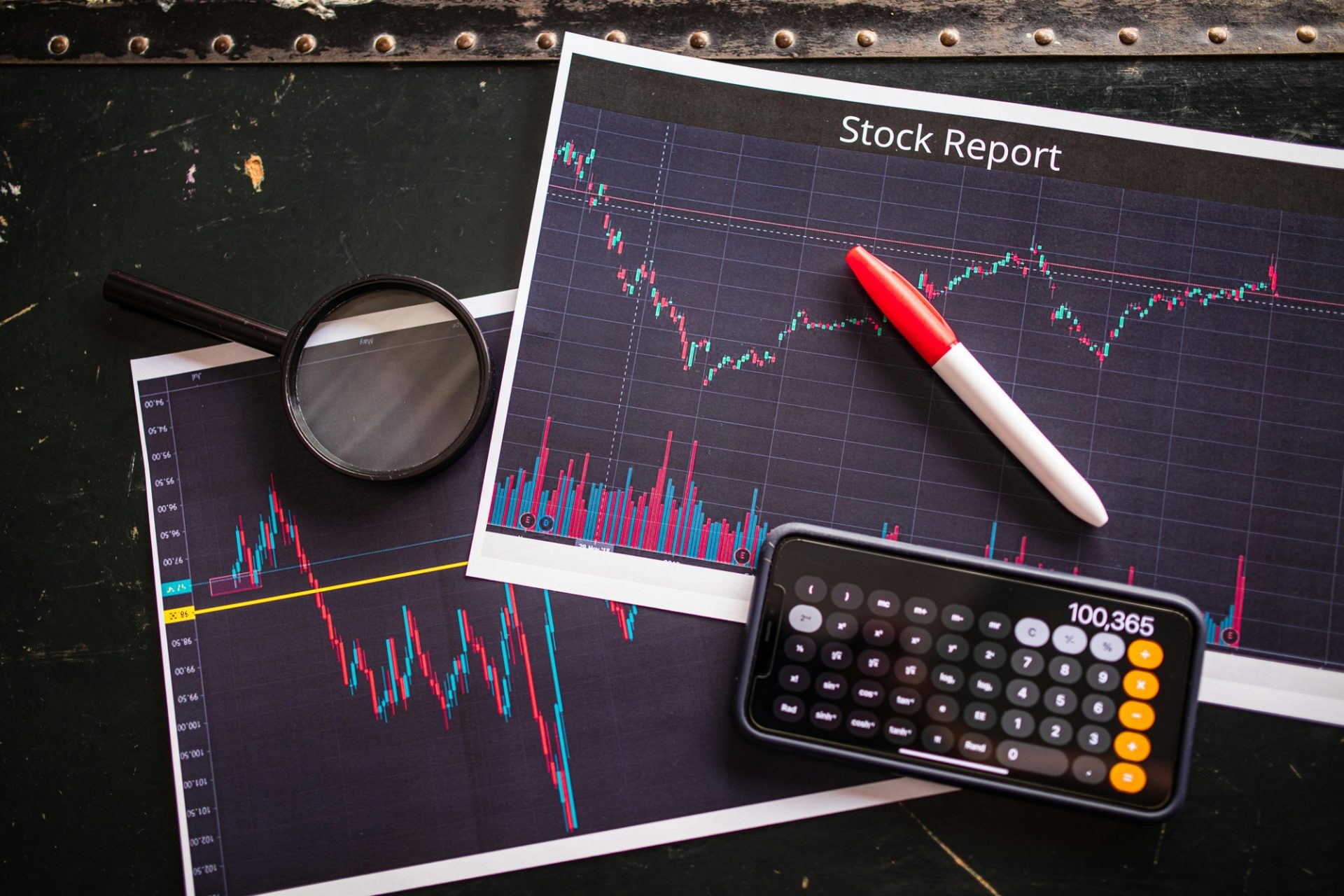
David downloaded an AI stock prediction app after seeing online testimonials. The app showed confidence scores and colorful charts. The first few recommendations performed well. Excitement kicked in.
Then a sudden market drop wiped out gains. The AI did not warn him. Confusion turned into doubt.
The tool did not fail. David misunderstood its purpose. It was never designed to protect against every market move.
Can AI Actually Beat the Market Consistently?
This is the core question.
Most professional fund managers fail to consistently beat the market over long periods. That is not opinion. That is data.
According to long term performance research cited by Forbes on active vs passive investing, the majority of active funds underperform broad market indexes after fees.
If highly paid professionals struggle, AI tools face the same structural challenge.
Some AI strategies outperform for periods. Others lag. Very few maintain consistent long term dominance.
Markets adapt. Patterns change. Once an edge becomes popular, it weakens.
The Difference Between Prediction and Decision Support
One of the healthiest ways to view AI stock predictors is as decision support, not decision replacement.
AI can:
• Highlight opportunities you missed
• Identify risks you overlooked
• Speed up research
AI should not:
• Replace understanding
• Remove accountability
• Encourage blind trust
This mindset reduces regret later.

Types of AI Stock Predictors You Will Encounter
Quantitative Signal Platforms
These tools generate buy and sell signals based on technical indicators and historical price behavior.
Strengths:
• Fast
• Emotion free
• Consistent logic
Weaknesses:
• Sensitive to market regime changes
• Can fail during extreme events
Fundamental AI Analysis Tools
These analyze earnings, balance sheets, valuations, and macro data.
Strengths:
• Better for long term investors
• Less reactive to noise
Weaknesses:
• Slower
• Dependent on accurate data inputs
Sentiment Analysis Tools
These scan news, earnings calls, and social media.
Strengths:
• Capture market mood
• React quickly to narratives
Weaknesses:
• Vulnerable to hype
• Can amplify herd behavior
Bloomberg frequently discusses how sentiment driven models can misfire during high emotion periods, which is covered in their market psychology reporting at Bloomberg Market Sentiment Coverage.
Common Mistakes People Make With AI Stock Predictors
Treating AI as a Crystal Ball
No model predicts black swan events reliably. Sudden wars, policy shifts, or economic shocks break patterns.
Overtrading Because Signals Feel Urgent
More signals do not mean better returns. Frequent trading increases costs and mistakes.
Ignoring Risk Management
AI often highlights upside, not downside. Risk control remains your responsibility.
Real life scenario:
Maya followed every AI signal without position sizing. A few losses wiped out months of gains. The regret came from ignoring risk, not from the tool itself.

Why Backtesting Results Can Be Misleading
Many AI tools showcase impressive backtests.
Backtesting shows how a strategy would have performed in the past.
The problem is overfitting. Models can be tuned to perform perfectly on historical data but fail in real markets.
The U.S. Securities and Exchange Commission warns investors about relying too heavily on hypothetical performance through its investor education resources at SEC Investor Risk Guidance.
Past performance is not just no guarantee. It can be deceptive if misunderstood.
Emotional Impact: Relief, Then Doubt
Some users feel relief when AI takes over decision making. The stress of choosing stocks fades.
Over time, doubt creeps in. When results disappoint, it feels harder to accept responsibility.
Handing control to a tool can create emotional distance from outcomes.
Understanding this psychological effect helps avoid unhealthy dependence.
Are Free AI Stock Predictors Worth Using?
Free tools are often:
• Limited versions of paid platforms
• Marketing funnels
• Educational rather than profitable
They can be useful for learning patterns and understanding how models think.
They should not be treated as professional grade systems.
For context, Investopedia often reviews investing tools and highlights the difference between educational tools and actionable systems in their investing software reviews at Investopedia Investing Tools.
What Professional Investors Actually Use AI For
Institutions rarely rely on one model.
They use AI to:
• Enhance research
• Improve execution timing
• Monitor risk
• Reduce operational errors
AI is one component, not the strategy itself.
This reality often surprises retail investors expecting a single magic tool.
Evaluating AI Stock Predictors the Right Way
Before trusting any AI tool with real money, you need a framework to judge it calmly. This is where many people slip up. Flashy dashboards and bold claims create excitement, but they do not equal reliability.
Here are the questions experienced investors quietly ask.
Is the methodology explained clearly?
If a platform cannot explain, in simple language, what data it uses and how decisions are generated, that is a red flag. You do not need the math. You need logic.
Reliable tools explain whether they focus on:
• Technical patterns
• Fundamental data
• Sentiment signals
• Or a combination
Transparency builds trust. Vagueness sells hype.
Is performance shown across different market cycles?
A model that worked only during bull markets tells you very little. Markets rise, fall, and move sideways.
According to long-term market research shared by Morningstar on factor performance, strategies rotate in and out of favor. AI is not immune to this reality.
Real Life Scenario: The Subscription Trap
Alex subscribed to an AI stock predictor after a free trial showed strong gains. Three months in, returns flattened. Six months later, losses appeared.
Instead of questioning the tool, Alex upgraded to a higher tier. The thinking was emotional. “It worked before, so it must work again.”
This is a common trap. Tools are not bad. Expectations are often unrealistic.
Can AI Stock Predictors Help Beginners?
Surprisingly, yes, but only in a limited way.
For beginners, AI tools can:
• Teach how markets react to news
• Highlight how patterns repeat
• Encourage research habits
They should not replace learning basic investing principles.
The UK Financial Conduct Authority consistently reminds investors that understanding risk is essential before using complex tools, as highlighted in their investor education guidance at FCA Investment Basics.
Beginners who treat AI as a tutor benefit far more than those who treat it as a shortcut.
Where AI Stock Predictors Perform Best
AI tends to perform better in specific use cases.
Market Screening
Scanning thousands of stocks manually is impossible. AI excels here.
Risk Detection
Spotting unusual volatility, correlation shifts, or abnormal volume patterns is an AI strength.
Timing Assistance
AI can suggest better entry or exit timing, even if the investment thesis comes from you.
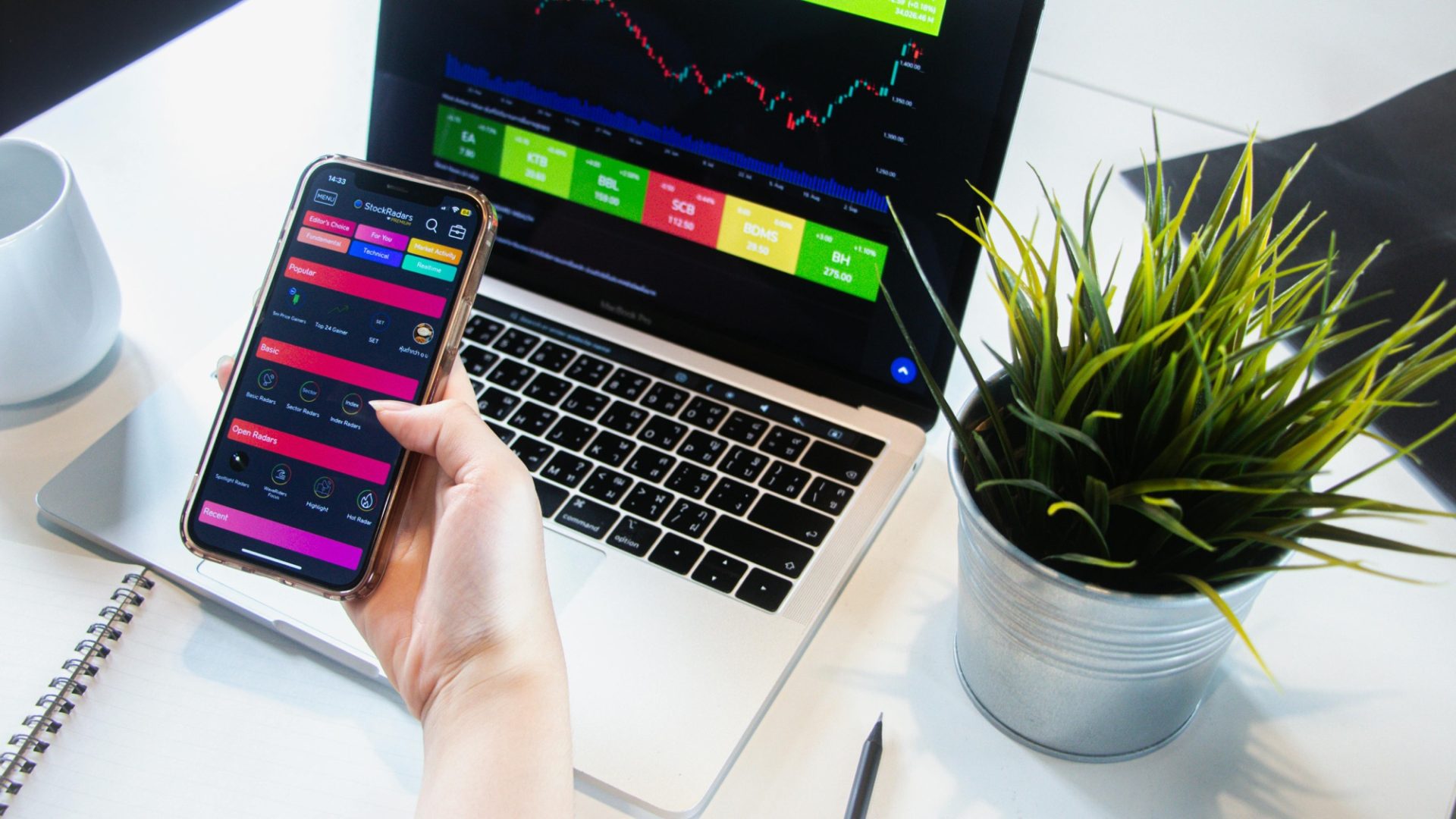
This is where relief replaces confusion. AI becomes a helpful assistant, not a decision dictator.
Where AI Stock Predictors Often Fail
Honesty matters here.
Extreme Market Events
Pandemics, wars, sudden regulatory changes. These break historical patterns.
Low Liquidity Stocks
AI models struggle when price movements are easily manipulated.
Overcrowded Strategies
Once too many investors follow similar AI signals, the edge disappears.
Bloomberg has repeatedly reported on crowded trades collapsing unexpectedly, especially in algorithm-driven strategies, which is covered in their institutional trading analysis at Bloomberg on Quant Strategies.
Emotional Mistake: Chasing AI Winners
People often jump into stocks after AI tools flag them as top performers.
The regret comes later when prices pull back.
AI does not eliminate timing risk. It can unintentionally amplify FOMO if users are not careful.
The solution is boring but effective. Position sizing and patience.
Are AI Stock Predictors Better Than Human Advisors?
This is not an either-or question.
Human advisors:
• Understand personal goals
• Manage emotions
• Adjust strategies to life events
AI tools:
• Process data faster
• Remain consistent
• Scale effortlessly
The strongest setups combine both.
Many registered advisors already use AI behind the scenes. The difference is oversight.

Costs, Fees, and Hidden Risks
Some AI platforms charge monthly subscriptions. Others take performance fees.
Hidden costs include:
• Overtrading
• Tax inefficiency
• Opportunity cost
The U.S. Internal Revenue Service highlights how frequent trading increases tax complexity in its investment income guidance at IRS Investment Income Overview.
AI tools rarely optimize for taxes unless explicitly designed to.
Real Life Scenario: The Tax Surprise
Liam used an AI trading bot that executed dozens of trades monthly. Returns looked decent until tax season arrived. Short-term capital gains reduced profits dramatically.
The surprise was not the market. It was ignoring tax implications.
How to Use AI Stock Predictors Safely
Here is a grounded approach that experienced investors quietly follow.
1. Use AI for ideas, not orders
2. Limit allocation to a small portion of your portfolio
3. Combine signals with fundamental understanding
4. Track performance honestly over time
5. Accept that underperformance will happen
This approach reduces emotional whiplash.
Can AI Ever Truly Beat the Market Long Term?
Some AI strategies will outperform for periods. Others will fail.
Markets evolve. Regulation changes. Data quality shifts.
The market is not a static puzzle waiting to be solved once.
As Nobel laureate research cited by Investopedia on efficient markets explains, consistent outperformance is rare because information gets priced in quickly.
AI improves speed. It does not rewrite market structure.
The Honest Verdict
AI stock predictors are tools. Powerful ones. Dangerous if misunderstood.
They reward discipline, patience, and education. They punish blind trust and emotional decision making.
If someone promises guaranteed returns, walk away.
If a tool encourages learning, testing, and caution, it deserves consideration.

Final Thoughts Before You Decide
The best AI stock predictors do not beat the market by magic. They help you think better, faster, and with more structure.
For some investors, that edge is enough. For others, it becomes a distraction.
The difference lies in expectations.
Used wisely, AI can be a valuable ally. Used blindly, it becomes an expensive lesson.
Financial Disclaimer
This content is provided for informational and educational purposes only and does not constitute financial, legal, or tax advice. Investing involves risk, including the possible loss of principal. Before making any investment decisions, you should consult with a certified financial advisor, licensed investment professional, or qualified tax advisor who can evaluate your individual situation.