Choosing the best grocery reward credit cards in the USA can feel overwhelming. One card claims amazing cash back, another promises points that “unlock big value,” and the fine print hides limits, fees, and confusing tier systems. Then you swipe your card at the grocery store and think, “Why didn’t this help more?”
You are not alone. Many people work hard to stick to a grocery budget only to feel like rewards barely make a dent in their spending. I’ve seen friends, family members, and everyday readers feel relief when they finally find a card that actually gives meaningful rewards based on real grocery spending not just vague promises.
Before we dive into specific cards, let’s talk about how grocery rewards work, the common pitfalls people fall into, and how to get real value instead of marketing buzzwords.
How Grocery Reward Credit Cards Work The Basics

Grocery reward credit cards pay you back a percentage of what you spend at supermarkets, usually in the form of:
• cash back (straight money back to your statement)
• points or miles (redeemable for travel, gift cards, or statement credits)
Rewards vary by card. Some offer:
• 4% cash back on groceries
• 3% cash back on grocery stores and dining
• 2x or 3x points at supermarkets
How does that add up in practice? If your weekly grocery bill is $150 and you earn 4% cash back, that’s $6 back every week $24 a month and nearly $300 over a year, just for buying food you were already going to buy.
In fact, grocery categories are a big focus for major issuers because many U.S. households spend a major portion of their monthly budget on groceries. According to the U.S. Bureau of Labor Statistics Consumer Expenditure Survey, food-at-home spending represents a significant slice of most consumers’ budgets.
Before we talk specifics, here’s how you should think about rewards cards:
• Cash back is best if you want straightforward savings against your grocery purchases.
• Points are useful if you travel or can redeem them for gift cards or statement credits.
• Beware of annual fees they can cancel out the value of rewards if you don’t spend enough.
Reward Structure Types What to Watch For
Not all grocery reward credit cards are created equal. Understanding the reward structure is critical before applying.
Category Bonuses vs Flat Cash Back
Some cards offer bonus cash back for grocery spending often up to a cap (e.g., 6% on groceries up to $6,000/year). Others give a flat cash back percentage on all purchases (e.g., 2% on everything).
Category bonus cards:
• Good if you spend heavily on groceries
• Often have quarterly categories that rotate
• May require activation each period
Flat cash back cards:
• Simple and predictable
• No activation or category tracking
• Usually lower % back but consistent
A common mistake is signing up for a high-cash-back card with a rotating category and then forgetting to activate. Many issuers require that you opt in each quarter. If you don’t, you miss rewards without knowing why.
You can check whether your card has activation requirements on the issuer’s website or app many alerts show up there.
Tips Before Applying for Any Grocery Reward Card
Before we list the best cards, let’s pause for a quick checklist that can help save frustration and boost value.
Know Your Spending Patterns
Take a look at your last few months of grocery receipts:
• How much do you spend weekly?
• Do you shop at traditional supermarkets (e.g., Kroger, Safeway) or discount stores (e.g., Aldi, Walmart)?
• Do you buy groceries online or via delivery services?
Your grocery habits determine the value of a specific card.
Check for Grocery Store Restrictions
Some cards categorize grocery stores differently and may exclude:
• Wholesale clubs
• Superstore chains
• Online grocery delivery
That means places like Costco and Target may not earn “grocery category” rewards on some cards—even though you buy food there.
A helpful resource on how issuers define grocery categories is the credit card rewards guide from Investopedia, which breaks down how different networks handle merchant category codes.
Watch for Caps and Limits
Some cards cap rewards after a certain spending limit (e.g., 3% back on groceries up to $6,000 per year). After that, you might drop to 1% back. Make sure that cap fits your actual spending.
Avoid Cards With High Annual Fees Unless Rewards Justify Them
In some cases, an annual fee might be worth it if the rewards you earn exceed the fee within a year. If not, a no-fee card may be the better option. Comparing cash back outcomes helps clarify this.
Card #1: High Grocery Cash Back Best for Big Weekly Carts

This category includes cards with high reward rates on grocery purchases. A standout example is one offering 4% cash back on U.S. supermarket purchases (up to a spending limit), which refunds more for major food shopping.
Such cards are ideal for:
• Families with larger grocery bills
• Households that buy food for home meals frequently
• Shoppers who hit bonus spending caps
Real-life story:
Angela, a mother of three from Texas, used to feel stressed during grocery runs. When she switched to a card with high grocery cash back and paired it with simple budgeting, she earned over $300 in cash rewards in one year. That money went straight into her pantry and school expenses, which lifted a lot of financial pressure.
For updated figures on average household grocery spending, see the annual household data from the U.S. Department of Agriculture (USDA).
Card #2: Balanced Rewards Best for Everyday Use
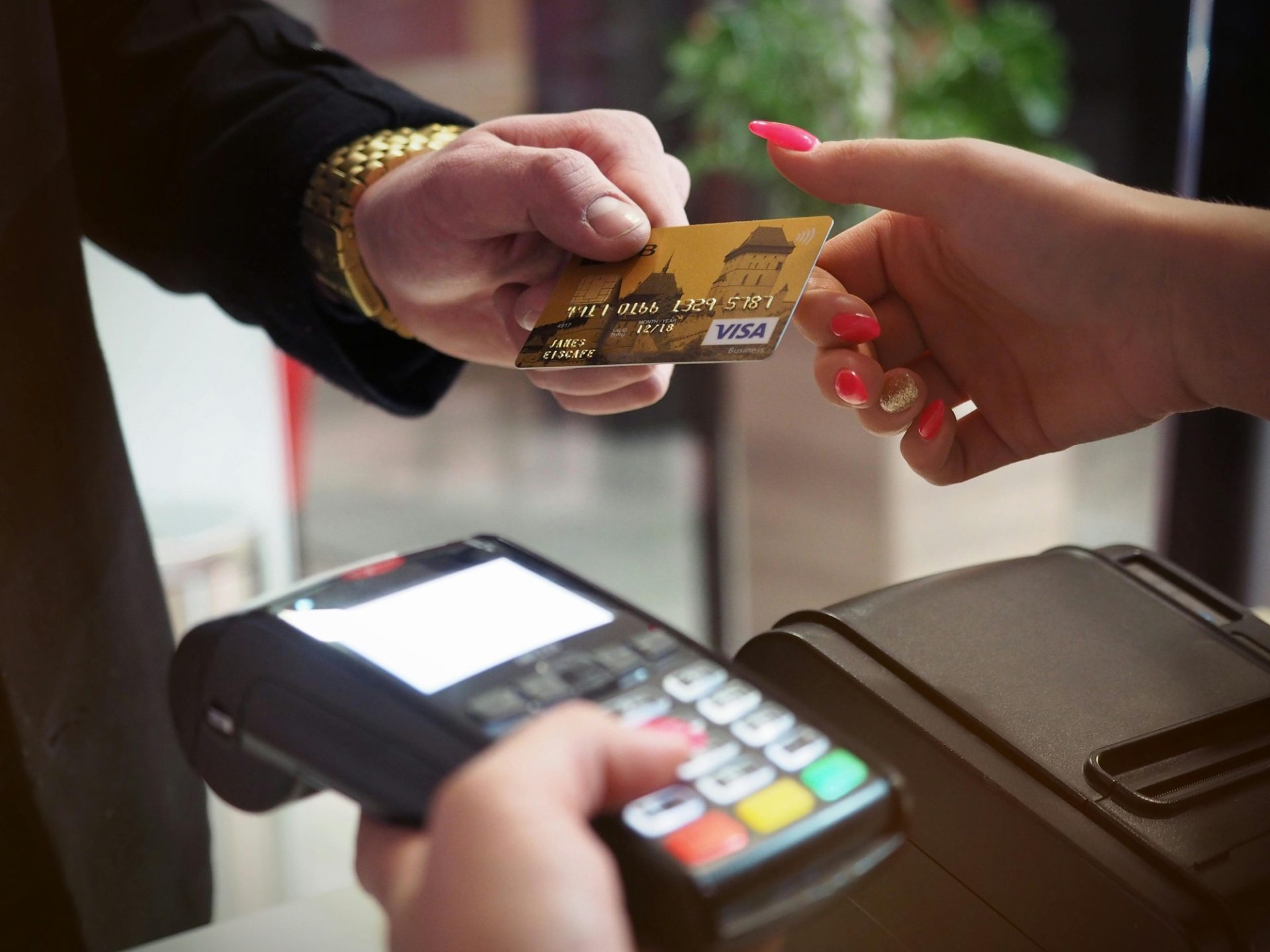
This type of card offers a more balanced rewards structure:
• Good grocery cash back (e.g., 3%–4%)
• Bonus rewards on other categories like dining or gas
• No complicated quarterly activation
These cards are great if your grocery spending is solid but you also want rewards on other purchases like eating out or commuting.
Common mistake:
Picking a card that earns 6% at groceries but 0% elsewhere can be limiting if your main non-grocery spending shifts unexpectedly.
Card #3: Flat Cash Back With No Categories – Best Simplicity

Some people prefer simplicity no categories, no activation, no caps. These cards typically offer:
• 2%–3% cash back on all purchases
• No category restrictions
• Easy statement credits
If you want to avoid tracking categories and just earn reliably, this approach works well and still rewards your grocery spending each week.
These cards shine for:
• people who shop at multiple store types
• those who hate tracking bonus periods
• those who want predictable monthly savings
For more on flat-rate vs category cash back cards, see this comparison from NerdWallet.
Hints for Maximizing Grocery Rewards
Beyond choosing the best card, maximizing rewards means building habits that genuinely increase your value each month.
✔ Use Your Reward Card Every Grocery Trip
Swipe the right card each time even on small purchases. A $10 bag of apples still earns rewards.
✔ Combine Grocery Rewards With Store Loyalty Programs
Many supermarkets like Kroger or Safeway have loyalty programs that provide additional discounts or fuel points. Stacking those with your credit card’s rewards multiplies savings.
✔ Pay Your Balance in Full Each Month
This is one of the most important tips: don’t let interest eat away at your rewards. Carrying a balance often costs more than you earn back in grocery cash back.
According to Bloomberg’s analysis, average credit card interest rates in the U.S. can exceed 20%. Earning 4% cash back won’t help much if you are paying interest on a $1,000 balance.
When Grocery Rewards Aren’t Worth It
Even the best grocery reward credit cards have downsides in certain situations.
❌ If You Cannot Pay Off the Balance
If you carry a balance, interest often outweighs every reward you could earn. The math is clear: interest compounds daily, and paying it harms your financial stability.
❌ If You Rarely Use Credit Cards
Rewards matter only if you use the card responsibly. If you rarely charge groceries or pay with debit/cash, a reward card won’t move the needle.
❌ If Your Grocery Store Is Excluded From the Reward Category
Some retailers don’t code as “grocery stores” for card rewards. That means your purchases might earn nothing or only the base rate.
Card #4: Travel Lovers Who Buy Lots of Groceries
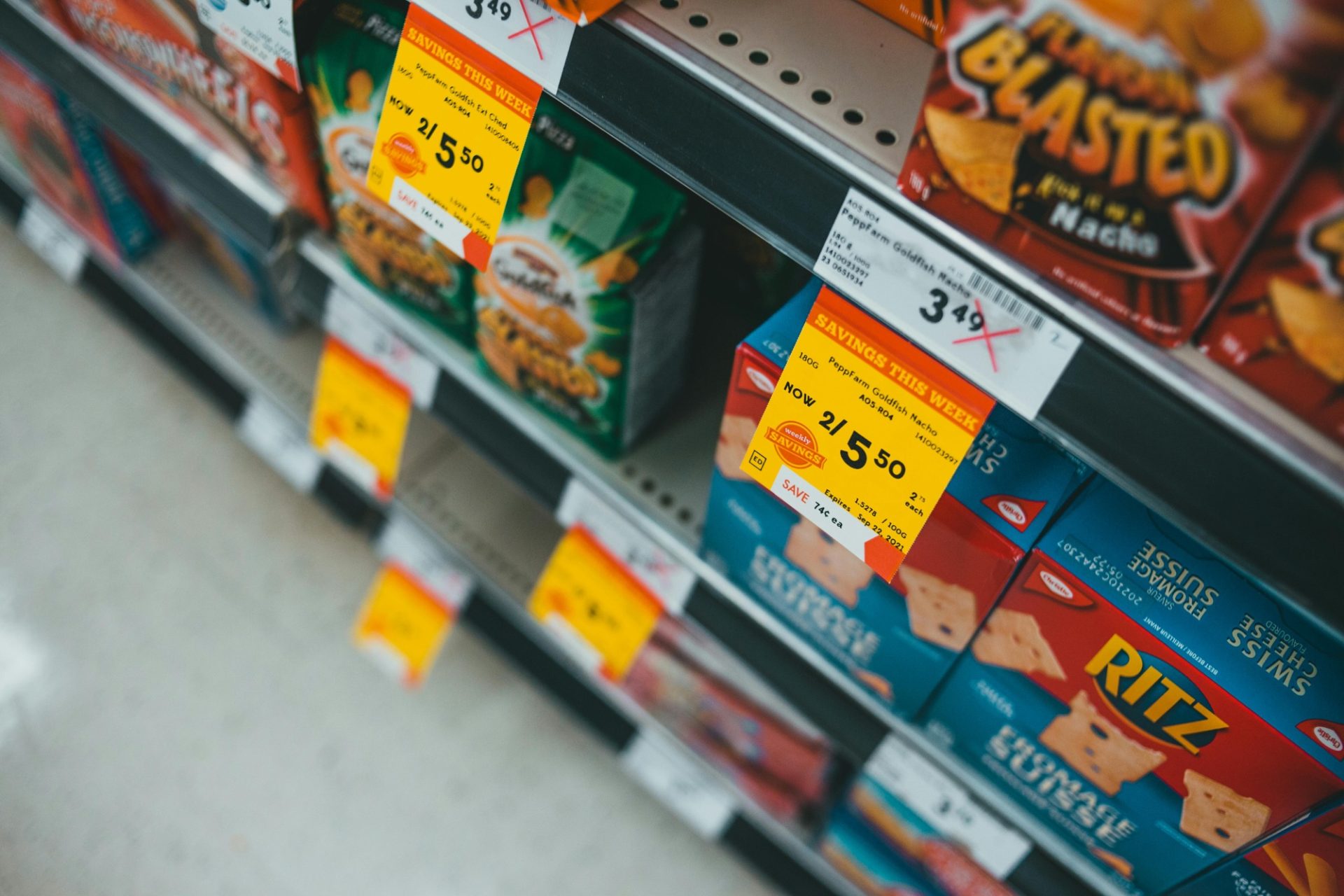
Some grocery reward credit cards shine not only at supermarkets but also when redeemed for flights and hotels. If you love traveling or even take one or two trips a year, a travel-focused grocery card can stretch your budget in two different worlds.
With these cards you usually earn:
• bonus points at grocery stores
• extra points on dining or travel
• upgraded value when points are redeemed through the issuer’s portal
Real-life scenario:
Jacob loved the idea of family vacations but felt they were “too expensive and unrealistic.” After switching to a grocery-plus-travel card, every grocery run helped him accumulate miles. A year later, he booked discounted flights using points. He said the relief he felt when he realized “grocery shopping literally paid for part of this trip” was incredible.
Just remember, travel cards sometimes come with:
• annual fees
• complex redemption rules
• dynamic point values
If this makes you feel confused instead of excited, a simple cash back grocery card may be better for your peace of mind.
Card #5: No Annual Fee Grocery Rewards – Best for Beginners
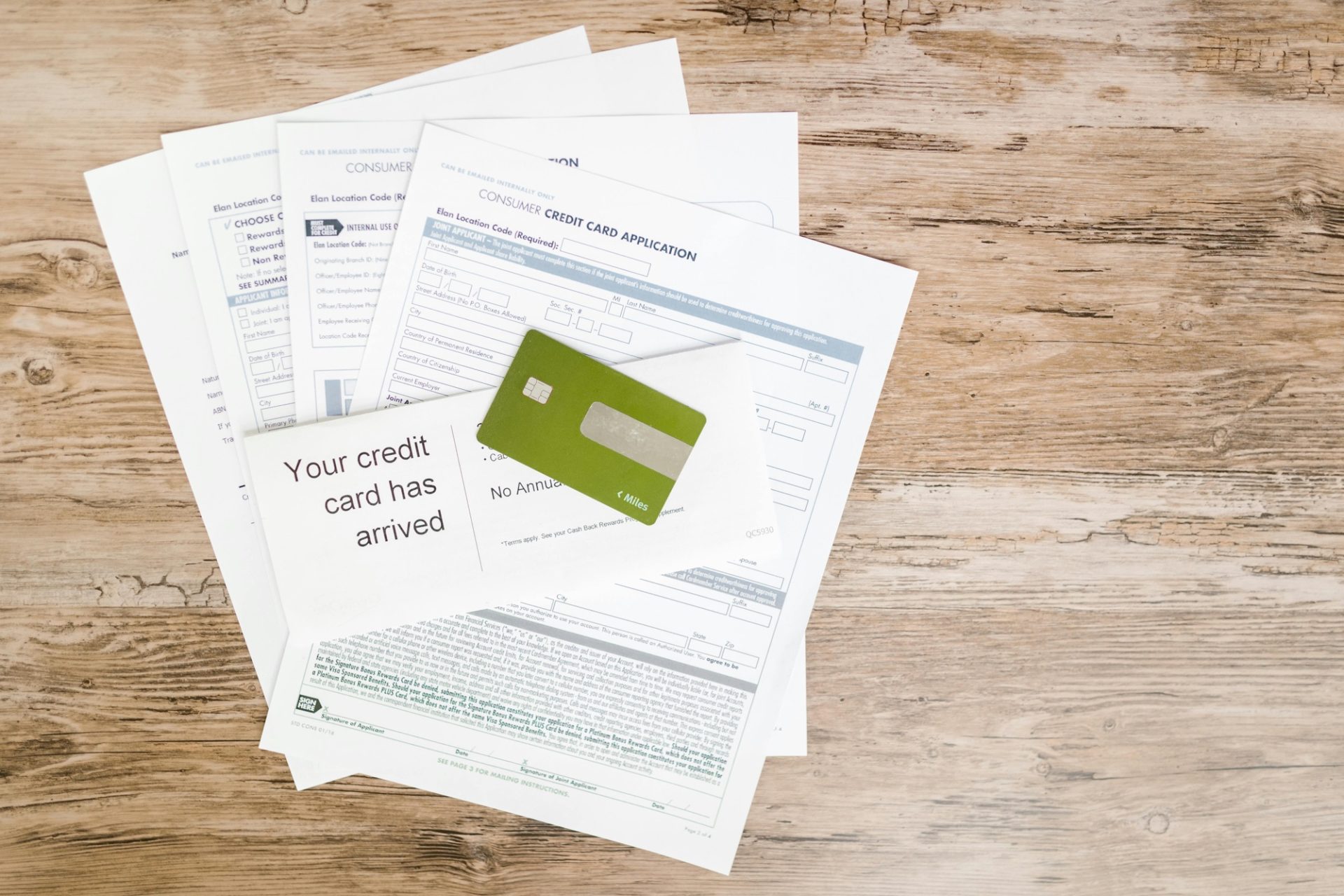
No-annual-fee cards are perfect if you are just getting started with rewards or trying to rebuild trust with credit without added costs. They usually offer:
• 2%–3% back at grocery stores
• basic sign-up bonuses
• straightforward redemption options
They are ideal if:
• you do not want another bill each year
• your grocery spending is moderate
• you still want rewards without risk
Common mistake people make:
Signing up for a high-fee card because the rewards “sound premium,” then realizing they don’t spend enough to make the fee worthwhile. Regret hits during renewal time when that fee is charged.
With a no-fee card, there is nothing to “earn back” just to break even. Everything you earn is pure benefit as long as you pay balances on time.
Card #6: Rotating Category Rewards – Great If You Stay Organized
These cards change bonus categories every few months. Sometimes groceries are included, and during those quarters you can earn impressive rewards, often up to 5 percent.
They work best if you:
• like tracking categories
• activate bonuses each quarter
• plan purchases around reward windows
If you tend to forget activations or find category calendars annoying, this structure becomes more hassle than value. I have seen people feel genuine frustration when they realize they missed activation and spent months earning only 1 percent.
How to Choose the Best Grocery Reward Card for You

There is no single “best” card for everyone. The best grocery reward credit cards in the USA depend on lifestyle, spending patterns, and comfort with credit.
Ask yourself:
• How much do I actually spend on groceries per month?
• Do I value cash back or travel points more?
• Am I okay managing annual fees?
• Do I shop at places coded as grocery stores?
• Can I pay my balance in full every month?
Your answers point directly toward the right choice.
If you want help understanding your spending habits, reading summaries and data from respected financial education sources such as the Consumer Financial Protection Bureau can help you
Real People, Real Grocery Reward Wins and Fails
Story 1: Relief after feeling stuck
Melissa, single parent, two kids, tight budget. She felt guilt and stress every checkout trip. After switching to a 4 percent grocery cash back card and meal-planning, she redirected $280 in annual rewards into school shoes and lunch snacks. Her main emotion was relief. She said, “For once, the card finally worked for me, not against me.”
Story 2: Regret from choosing the wrong card
Darren loved luxury branding and chose an expensive premium reward card. The annual fee looked small upfront, but he did not travel much and only spent moderate amounts on groceries. When renewal came, regret hit hard. He had paid more in fees than he earned in rewards. He cancelled later and switched to a basic grocery reward card that matched his real life.
Story 3: Pleasant surprise from stacking rewards
Rita combined a supermarket loyalty program, digital coupons, and a grocery reward credit card. She did not expect much. At the end of the year she checked her statement and saw over $350 in cash back, plus loyalty discounts. She said it felt like “finding money that had been hiding in my pantry all year.”
These stories show one truth: rewards only work when they match real behavior.
Advanced Ways to Maximize Grocery Rewards
Use reward-friendly payment timing
Pay balances before the due date. Carrying balances destroys reward value through interest charges.
Stack grocery credit rewards with cashback portals
Some reward cards pair well with apps that offer store rebates. Used responsibly, it stretches savings without extra spending.
Use family strategy
One card for bulk shopping, another for general purchases. Couples or households can split categories for maximum rewards without juggling too many accounts individually.
What to Avoid With Grocery Reward Cards
• Do not spend more just to chase points
• Do not ignore annual fees
• Do not forget redemption expirations
• Do not let interest cancel rewards
• Do not assume every store counts as “grocery”
When people chase rewards emotionally, they sometimes overspend and later feel regret when the bill arrives. Rewards should serve your budget, not control it.
Understanding Terms and Conditions Without Feeling Overwhelmed
Fine print can feel confusing, and that confusion often leads to costly mistakes. Key terms to watch:
• APR
• annual fee
• bonus cap limits
• merchant category coding
• foreign transaction fees
• penalty APRs
For clear educational explanations you can consult Investopedia’s credit card glossary, a trusted reference that breaks financial terms down into plain language. It helps decode the jargon so that normal users avoid hidden traps.
More Specific “Best Card” Categories (Compare Choices)
Not everyone shops the same way or has the same credit profile. Here’s how to choose based on your priorities:
📌 Best for High Grocery Spend
Cards with the highest grocery bonus rates, ideal if groceries are a major monthly expense. These typically give 3–6% back at supermarkets during the first year.
📌 Best Flexible Rewards (All-Around Beginner Friendly)
Some cards don’t only reward groceries but other everyday spending too, great if you want balanced rewards without tracking categories.
📌 Best No Annual Fee Cards
Perfect if you want grocery rewards without paying just to keep the card each year.
📌 Best for Travel Points + Grocery Rewards
If you enjoy travel perks, you can earn grocery rewards and then convert points into travel value. This works well if you already plan trips or want to save on flights and hotels.
| Priority | Best Card Type | Why |
| Max Grocery Reward | High Bonus Cards | Top cash back for food shopping |
| Simplicity | Flat Cash Back Cards | Rewards everywhere |
| Low Cost | No Fee Cards | No annual cost |
| Travel Perks | Travel Rewards Cards | Points for groceries & travel |
Here’s a simple comparison framework:
Pick the style that fits your lifestyle, not just the highest percentage.
Pick the style that fits your lifestyle, not just the highest percentage.
How to Actually Use Grocery Rewards Without Overspending
A big mistake many people make is buying more than needed just to chase rewards. That often cancels out the reward value once the total bill is calculated.
Here’s how to avoid that:
✔ Only use your grocery rewards card for purchases you already planned
✔ Balance rewards with smart budgeting. don’t let rewards drive spending
✔ Watch expiration dates on points or cashback
✔ Choose redemption styles that give you real value (statement credits, travel, gift cards)
For example, earning 5% back means little if you spent 20% more just to hit a bonus category.
Emotional scenario:
Tina once bought large packs of snacks she did not need just because they were “bonus category items.” She earned $12 back that month but spent $35 extra on stuff she never used. That was a surprising moment when she realized rewards must match real needs.
Common Grocery Reward Mistakes and How to Avoid Them
❌ Mistake 1: Ignoring Categories
Some rewards cards require activation of bonus categories each quarter. If you forget to activate, you earn only the base rate. Check your card app and set reminders.
❌ Mistake 2: Thinking All Grocery Stores Qualify
Not all retailers code the same. Wholesale clubs, big box stores, and online marketplaces may not count as “grocery.” Look up how your specific card treats each merchant.
For example, Costco purchases may not earn grocery category rewards on certain Visa cards. Always check the issuer’s merchant category definitions.
❌ Mistake 3: Carrying a Balance
Rewards vanish if you pay high interest. Average credit card interest rates are often above 15–20%, according to data shared in financial reporting. Paying down balances is more valuable than chasing the highest reward rate.
If you’re unsure how interest affects your rewards, the Consumer Financial Protection Bureau offers clear guidance on managing credit responsibly.
Practical Tips to Combine Grocery Rewards With Budgeting
Rewards work best when they are part of a bigger plan not the entire plan.
✔ Use apps to track spending
✔ Set weekly grocery limits
✔ Stack rewards with coupons and store loyalty programs
✔ Buy home brands that meet your needs
✔ Avoid impulse aisles in the store
When grocery shopping becomes intentional, not emotional, two things happen:
• Your budget becomes predictable
• Rewards turn into real savings
Real Stories From Real Shoppers
Story 1: $350 Back Without Changing Shopping Habits
Rita always bought her groceries at the same store, using her grocery rewards card every week. She didn’t change what she bought she just used the right card. After a year, she had $350 in cashback that she used for holiday gifts. She described it as “money I forgot I earned.”
Story 2: Reward Regret
Darren signed up for a premium card with a $95 annual fee, thinking he’d earn big grocery rewards. He spent only a moderate amount at supermarkets, and the fee wiped out most of his cashback. He switched to a no-fee card and said “I wish I knew how much I actually shop before picking a card.”
Story 3: Travel Sooner Than Expected
Jacob always wanted to take his family on a beach vacation. He chose a travel rewards card with strong grocery categories. After regular grocery shopping, he earned enough points for two discounted flights. The emotional payoff wasn’t just money it was freedom.
These stories show that aligning choices with your life matters more than chasing marketing buzz.
How to Redeem Rewards Most Effectively
Rewards are only valuable if you use them wisely.
🧾 Statement Credits
Directly reduce your bill, simple and valuable.
✈ Travel Credits or Points
Can often be worth more if you use them for flights and hotels, but read the fine print — redemption value varies.
🎁 Gift Cards
Good bonus when you want predictable value instead of travel.
🛍 Cashback Payouts
Either deposited into your account or used as a statement credit.
Each redemption path has pros and cons. Decide based on your goals whether it’s everyday savings, travel, or even future holiday spending.
Final Thoughts
Earning rewards from grocery spending is more than just picking the highest percentage card. It’s about:
✔ Knowing your actual spending
✔ Matching card structure to your lifestyle
✔ Avoiding common pitfalls that cancel out reward value
✔ Combining grocery rewards with smart budgeting
✔ Redeeming rewards in the ways that benefit your goals
When you approach grocery rewards thoughtfully, they stop being “bonus features” and become real savings that help your family, your goals, or your peace of mind.
Rewards don’t replace budgeting, they enhance it.
Read my previous article Real Ways to Cut Grocery & Household Costs (USA / Canada / EU)
Disclaimer
The content in this article is for informational and educational purposes only and does not constitute professional financial, legal, or tax advice. You should consult with a certified financial professional before making any investment or financial decisions.