Using credit cards feels normal today. In shops, online, and even for bills, cards are everywhere. But in 2026, many people are struggling because they used credit cards the wrong way. Learning credit card tricks 2026 is not about cheating the system it’s about protecting yourself, staying calm, and keeping control of your money.
Many people don’t fall into debt because they are careless. They fall into debt because no one taught them how credit cards really work. This guide explains everything slowly, honestly, and in simple English so you can use cards safely without stress.
Two years ago i was in your stage. I followed these steps personally
Why Credit Cards Feel Dangerous in 2026
In 2026, credit card problems are more common because:
• Interest rates are higher
• Living costs increased
• Emergencies happen more often
• Many people rely on cards to survive
Credit cards are not bad tools. The danger comes from using them without rules.

Understand This First: Credit Cards Are Not Extra Income
Many people think:
“I still have credit left, so I can spend.”
This is the biggest mistake.
Credit card money is borrowed money. Every dollar spent today must be paid back tomorrow with interest if you delay.
The safest mindset:
“If I don’t have cash for it, I don’t use my card.”
Rule #1: Always Pay the Full Balance
If you remember only one credit card trick in 2026, remember this:
Pay the full balance every month.
Why?
• You avoid interest completely
• Your debt never grows
• Your credit score improves
Minimum payment keeps you trapped. Full payment keeps you free.

Rule #2: Use Credit Cards Only for Planned Spending
Unplanned card spending is how debt starts.
Safe card spending includes:
• Monthly bills
• Groceries
• Fuel
• Fixed subscriptions
Avoid using cards for emotional spending:
• Stress shopping
• Late-night online orders
• “I deserve this” purchases
Pause before every swipe.
Credit Limit Is NOT a Spending Target
If your credit limit is $5,000, it does NOT mean you should spend $5,000.
A safe rule:
• Use less than 30% of your limit
• Even safer: under 20%
Lower usage = better control + better credit score.
Never Carry a Balance for “Convenience”
Some people say:
“I’ll pay it slowly. It’s fine.”
It is not fine.
Carrying a balance:
• Increases interest fast
• Creates long-term stress
• Reduces financial flexibility
In 2026, interest grows faster than before.
Set Automatic Full Payments
Auto-pay protects you from:
• Forgetting due dates
• Late fees
• Credit score damage
Set it once and let it protect you every month.
Use One Card, Not Many
Having many cards feels powerful but it’s risky.
Too many cards cause:
• Confusion
• Missed payments
• Overspending
One main card is easier to manage and safer.
Track Every Card Transaction Weekly

Check your card activity once a week.
This helps you:
• Catch mistakes early
• Spot fraud
• Control habits
Small checks prevent big problems.
I recommend you do not use credit card use debit card. You will not get stress with debt.
Avoid Cash Advances Completely
Cash advances are dangerous.
They:
• Start interest immediately
• Have higher fees
• Are hard to track
If you need cash, look for other options first.
Use Credit Cards for Protection, Not Debt
Cards can protect you when used wisely:
• Fraud protection
• Purchase protection
• Travel safety
Use them like a safety tool not a loan.
Know Your Statement Date vs Due Date

Understanding this helps you:
• Plan spending
• Maximize payment time
• Avoid surprises
Spend just after the statement closes to get extra time before payment.
Do Not Use Credit Cards to Cover Lifestyle Gaps
Using cards to maintain a lifestyle you can’t afford is dangerous.
If income is short:
• Reduce expenses
• Adjust habits
• Seek extra income
Credit cards should not hide money problems.
Emergency Spending Needs Clear Rules
If you must use a card for emergencies:
• Have a repayment plan
• Pay it off fast
• Rebuild savings immediately
Emergency use should be rare not normal.
Reward Cards Can Trick Your Brain
Rewards are nice but they encourage spending.
Never spend extra just to earn:
• Points
• Cashback
• Miles
Rewards should come from spending you already planned.
Avoid Buy Now Pay Later Traps on Cards
Installments feel easy but they:
• Stack up
• Hide total spending
• Increase future stress
One small payment becomes many.
Keep Credit Cards Out of Emotional Moments
Stress, sadness, or excitement are dangerous moments for card use.
Create a pause rule:
“I wait 24 hours before any big purchase.”
Time brings clarity.
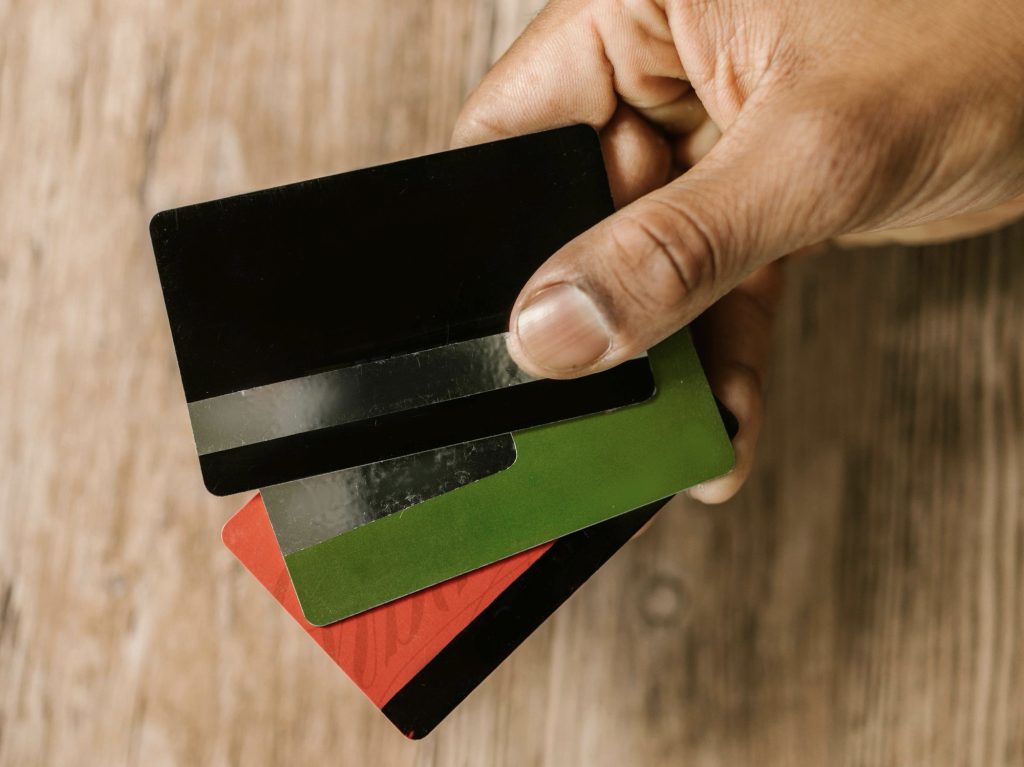
Protect Your Credit Card From Fraud
Always:
• Use secure websites
• Avoid public Wi-Fi for payments
• Monitor statements
• Report strange charges immediately
Fraud can create debt you didn’t cause.
When Credit Card Debt Already Exists
If you already have debt:
• Stop using the card
• Pay more than minimum
• Focus on one balance at a time
Debt control starts with honesty.
The Golden Credit Card Rule for 2026
If you cannot pay it off this month, do not swipe.
This rule alone protects most people from debt.
Healthy Credit Habits Build Long-Term Freedom
Credit cards can help build:
• Strong credit score
• Financial discipline
• Emergency protection
But only if rules are followed consistently.
Simple Credit Card Checklist
Final Thoughts
Learning credit card tricks 2026 is about control, not fear. Credit cards can work for you or against you. The difference is habits.
Small decisions repeated every month decide whether cards bring safety or stress. Slow down. Stay aware. Protect your future one swipe at a time.