Introduction
The credit card vs debit card debate confuses many people, especially beginners. Both cards look almost the same, work in similar machines, and are accepted in the same shops. Yet they affect your money, habits, and future very differently.
Many people use debit cards thinking they are “safe,” and credit cards thinking they are “dangerous.” The truth is more balanced. Neither card is good or bad by default. What matters is how they work and how you use them.
This article explains the real difference between credit card vs debit card in simple English, using real-life situations you may already experience.
What Is a Debit Card?
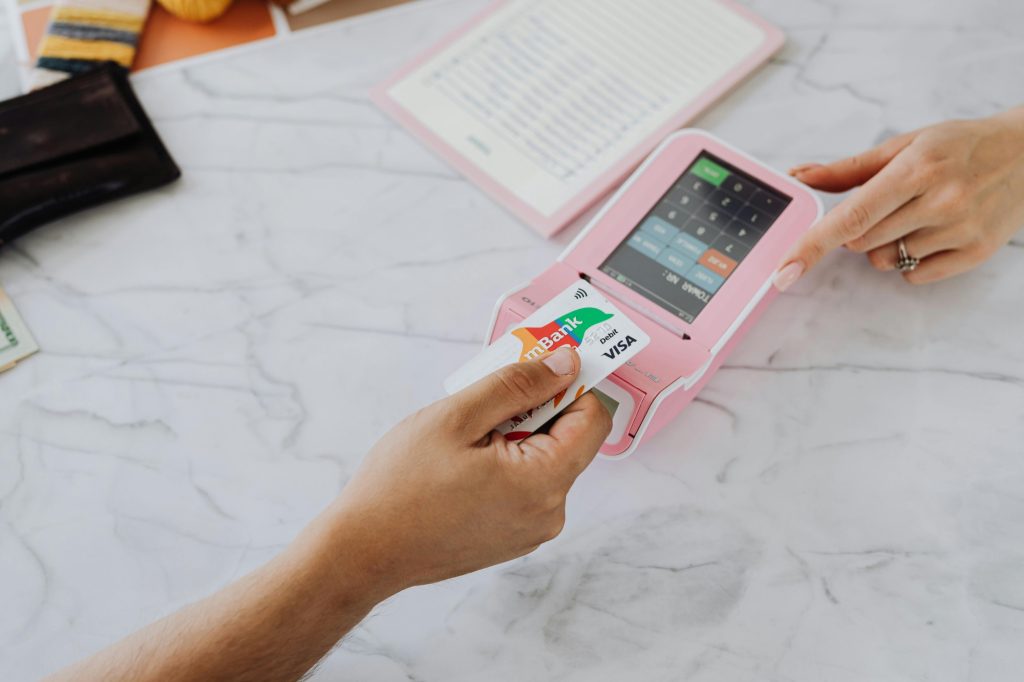
A debit card is directly connected to your bank account.
When you use a debit card:
• Money is taken immediately
• Only your own money is used
• If your account balance is zero, the card usually declines
It’s like using digital cash.
Real-Life Example
You receive your salary. You go to the supermarket and swipe your debit card. The money leaves your bank account instantly. No debt. No bill later.
This is why many people feel comfortable using debit cards.
What Is a Credit Card?
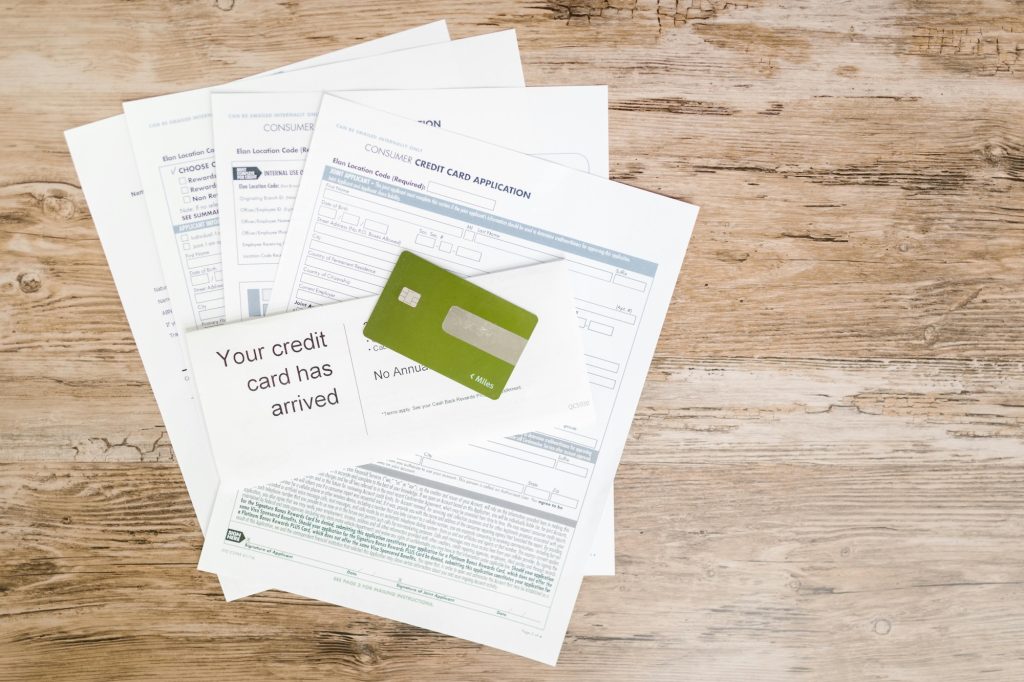
A credit card lets you borrow money from the bank or card company.
When you use a credit card:
• You spend the bank’s money
• You repay it later
• If you don’t repay fully, interest is charged
A credit card is not extra income. It’s a short-term loan.
Real-Life Example
You buy a phone using a credit card. You don’t pay today. At the end of the month, the bank sends you a bill. If you pay the full amount, no interest. If not, debt starts growing.

The Core Difference Between Credit Card vs Debit Card
The simplest way to understand the difference:
• Debit card = your money
• Credit card = borrowed money
Debit cards limit spending naturally.
Credit cards require self-control.
That single difference changes everything.
How Debit Cards Affect Your Spending Habits
Debit cards create instant pain when you spend.
You see your balance drop immediately. That makes you think twice before buying.
This is why:
• Debit cards are good for budgeting
• Overspending feels uncomfortable
• You stay within your income
However, debit cards have limitations.
Problems with Debit Cards
• No credit history building
• Less fraud protection
• Money is gone instantly if scammed
Credit Card vs Debit Card: Fees You Don’t Always Notice
One hidden part of the credit card vs debit card discussion is fees. Many people think cards are “free” because they don’t see money leaving immediately. But fees often work silently.
Debit Card Fees (Often Invisible)
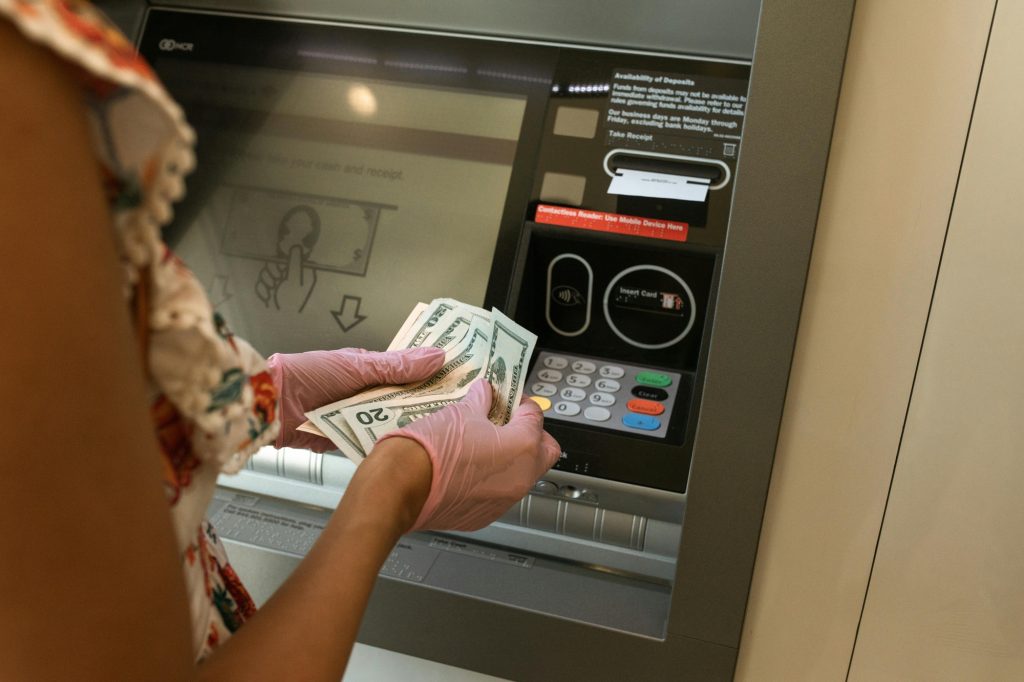
• ATM withdrawal fees (especially outside your bank)
• International transaction fees
• Overdraft fees if your bank allows negative balance
• Account maintenance fees tied to the card
These fees are small but frequent. Over time, they add up without warning.
Credit Card Fees (More Obvious but Dangerous)
• Interest charges if balance isn’t paid fully
• Late payment penalties
• Annual fees on some cards
• Cash advance fees (very high)
Credit card fees hurt more when habits are weak. A single missed payment can undo months of good behavior.
Why Credit Cards Feel Easier Than Debit Cards
This is where psychology matters.
When you use a debit card, your brain knows:
“This is my money.”
When you use a credit card, your brain thinks:
“I’ll deal with this later.”
That delay creates comfort — and comfort leads to overspending.
Real-Life Situation
You hesitate before buying something expensive with a debit card. But the same item feels “lighter” on a credit card.
Nothing changed except timing.
This is why many people say:
“I earn enough, but I’m always broke.”
The card changed behavior — not income.
Credit Card vs Debit Card for Travel
For travel, credit cards usually win.
Why Credit Cards Are Better for Travel
• Hotel and car rental deposits are easier
• Fraud protection abroad
• Emergency backup if funds run low
• Travel insurance on some cards
Debit cards often:
• Block large deposits
• Freeze accounts due to “suspicious activity”
• Leave you stuck if money is locked

Why Some People Should Avoid Credit Cards (At Least Temporarily)
Credit cards are not beginner tools for everyone.
You should pause using credit cards if:
• You carry balances month to month
• You pay only the minimum
• You feel anxious opening statements
• You use cards to feel “normal” socially
This is not failure. It’s awareness.
Debit cards help rebuild trust with money.
The Myth: “Debit Cards Are Always Safer”
Many people believe debit cards are safer because they prevent debt.
That’s only partly true.
Debit cards:
• Protect you from borrowing
• Do NOT protect you from fraud stress
• Do NOT build financial flexibility
Losing debit card money feels more painful because it’s immediate.
Credit cards, when used correctly, act like a shield between you and fraud.
How Smart People Use Credit Card vs Debit Card Together
The smartest approach is role-based usage.
Example Strategy
• Debit card → groceries, daily transport, small spending
• Credit card → online shopping, travel, subscriptions
• Full credit card payment every month
• One credit card only (at first)
This keeps control while gaining benefits.

How Cards Shape Long-Term Financial Life
Over years, card usage shapes:
• Credit score
• Loan approvals
• Housing options
• Stress levels
• Spending identity
People don’t fail financially because of one big mistake.
They fail because of small repeated card decisions.
Common Card Lies We Tell Ourselves
“I’ll pay it next month.”
“It’s only a small amount.”
“I deserve this.”
“Everyone uses credit.”
These thoughts feel harmless — until the statement arrives.
A Simple Test to Choose the Right Card
Before spending, ask:
“If I had to pay this in cash today, would I still buy it?”
If yes → credit card is fine.
If no → don’t swipe.
This rule alone prevents most debt problems.
Credit Card vs Debit Card: What Really Matters
The real difference is not:
• Plastic
• Interest
• Rewards
It’s self-awareness.
Debit cards enforce discipline.
Credit cards require discipline.
Choose based on who you are today, not who you hope to be.
Final thought
The credit card vs debit card debate isn’t about choosing sides. It’s about choosing control.
Debit cards keep life simple and honest.
Credit cards offer power but only to those who respect it.
Used correctly, cards serve you.
Used emotionally, they control you.
Understanding the difference is not just financial knowledge it’s life knowledge.