Introduction
The struggle to cut down grocery bills in Australia has become very real for families, couples, students, and anyone trying to stretch their income. You walk into Coles or Woolworths with a short list, and somehow the total jumps higher than expected. The receipt feels longer than your patience, and there is that small punch in the stomach when the price flashes at the checkout.
Many people blame themselves. “Maybe I am just bad with money.” But the truth is simpler. Prices are rising, deals keep changing, and small habits have a huge impact on what you spend. The good news is this. You do not need to live on noodles or cut everything you enjoy. You just need smarter strategies that actually work in daily life.
I have worked with parents juggling school lunches, single workers trying to survive until payday, and retired couples who feel shocked when groceries cost as much as old mortgage payments. The relief on their faces when the weekly total finally drops is priceless.
This guide shows practical, honest, human ways to save without guilt or complicated charts. No shaming. No unrealistic advice. Just real strategies that help you feel back in control.
Why groceries feel so expensive right now
Before jumping into solutions, it helps to understand what is happening. Prices shift because of transport costs, weather affecting crops, packaging costs, and changing supermarket pricing strategies. You are not imagining it. You are not failing at adulting. Groceries really have gone up. To find the cheapest prices across Woolworths and Coles, you can use the Frugl app before you head out.
But here is the surprising part. Most people overspend not because of prices, but because of habits:
• shopping hungry
• buying “just in case” items
• letting food expire
• ignoring unit pricing
• chasing deals on things they never needed
Fixing these habits is like tightening small leaks in a bucket. Suddenly the water stops dripping out.
Make a simple meal plan before stepping into the store

A meal plan sounds boring, like something ultra-organized people do with colorful markers. In reality, it is one of the biggest money savers. When you know what you will cook, you avoid random buying. Fewer impulse snacks. Less food waste. Less “Oops, we already had pasta at home.”
Keep it simple:
• 5 dinners
• leftovers for lunch
• flexible breakfasts
• one treat night
For more expert advice on managing your budget, visit the Moneysmart government website.
Real story:
Mia, a busy mum of two in Melbourne, used to shop without a plan. She often found three opened jars of pasta sauce in the fridge and vegetables that went bad untouched. After creating a basic weekly plan, her grocery bill dropped by 120 dollars per month. The biggest change was emotional. She stopped feeling guilty staring at spoiled food in the bin.
Shop your pantry and fridge first

Most people already own half of their weekly groceries. They just forget.
Before you go shopping:
• open the freezer
• check pantry corners
• look at fridge drawers
You may already have rice, spices, canned beans, sauces, frozen veggies, meat packs, or wraps hiding behind other items. Use them first. Build meals around what you already have.
It is common to rebuy the same items because you “think” you are out. That tiny mistake costs hundreds per year. Quick two-minute checking fixes it.
Switch more items to home brands

Home brands are no longer the “cheap and low quality” option people once avoided. Many are made in the same factories as famous brands, just packaged differently.
Great items to switch:
• flour
• sugar
• milk
• cereal
• pasta
• canned tomatoes
• cleaning products
Taste rarely changes. Your receipt does.
To stay updated on the latest grocery scams and consumer rights in Australia, keep an eye on CHOICE Australia.
Common mistake:
People proudly buy discounted premium brands “because it was on sale” but ignore that home brands are still cheaper even without a sale. Sales trick our emotions into believing we are saving, when sometimes we are not.
Buy seasonal fruit and vegetables

Seasonal produce travels less distance and grows more easily. That makes it cheaper, fresher, and often tastier. Strawberries in season might feel abundant and affordable, while off-season berries cost like luxury goods.
Simple trick: if the item looks unusually expensive, it is probably not in season. Choose alternatives for a while. Your recipes will adjust more easily than your budget.
Real scenario:
Jason, a university student, used to insist on buying blueberries all year because he loved them in smoothies. When he switched to bananas and apples out of season, he saved roughly 20 dollars each week without feeling deprived.
Avoid shopping while hungry or stressed

Your brain makes different choices when your stomach is loud or your workday has drained you. Snacks jump in your cart. Extra desserts sneak in. Bulk chips suddenly feel essential.
If possible:
• eat first
• bring water
• shop during calm hours
If you must shop when tired, use a strict list and do not wander into aisles that are not on the plan.
This one shift alone can change spending fast. You are not weak. Your brain is just wired to grab energy when it feels low.
Use supermarket loyalty programs wisely
Rewards programs can be powerful if used intentionally. The danger is chasing points on things you never needed. Always remember:
Points are helpful
Impulse spending is not
Best approach:
• link rewards card
• activate offers in the app
• redeem for grocery discounts
You do not always need to hunt for the lowest price to save on groceries. You can actually earn a little money back each time you shop by using cashback apps. Popular platforms such as Cashrewards and ShopBack work with big retailers and gift card brands, so you can collect rewards on the items you already plan to buy. Before paying at the counter, take a quick look at these apps to see if there are any current deals or discounted supermarket gift cards. It only takes a moment and those small rewards can add up, helping your grocery budget stretch further every month.
If you love hunting for the absolute lowest prices, OzBargain is a great place to find community-shared deals.
Track spending during the shop, not after

One of the most painful feelings is seeing the final total after everything is scanned. At that point, the only option is embarrassment or acceptance.
Instead, add costs as you go:
• phone calculator
• notes app
• tally on paper
This way, if the total creeps above your limit, you can adjust before checkout. Remove the extra treat or swap items. You stay in control.
Real story:
A couple I worked with used to swipe the card first and panic later. When they started tracking while shopping, they saved 80 to 100 dollars per week because they removed random extras they did not really need. Relief replaced guilt.
Cook more at home and reduce takeaway habits

Eating out is convenient, comforting, and sometimes feels like a reward after long days. The problem appears when takeaway becomes routine, not a treat. Even two to three takeaway meals per week can quietly add hundreds to your monthly food cost.
Cooking at home does not mean gourmet meals. It can be:
• pasta with vegetables
• stir fry
• wraps
• simple curries
• tray bakes
Home cooking gives two wins at once. You spend less per meal and you gain leftovers that become lunch the next day.
Real-life moment:
Sara, a nurse, used to buy takeaway after night shifts because she was exhausted. She began batch cooking on her days off and freezing portions. Her takeaway habit dropped fast and she saved more than she expected. The biggest surprise was how relieved she felt opening the freezer and finding ready meals waiting for her.
Learn to love leftovers
Leftovers are not boring. They are preserved money.
Turn leftovers into:
• wraps
• fried rice
• soups
• salad toppings
• next-day lunches
Many households throw away cooked food because they forget about it. Keeping clear containers, labeling dates, and storing meals properly helps avoid waste.
Common mistake:
Some people cook large portions, forget them, and then throw them out a week later. The goal is not just cooking more, but managing what is cooked.
Buy in bulk for non-perishable items
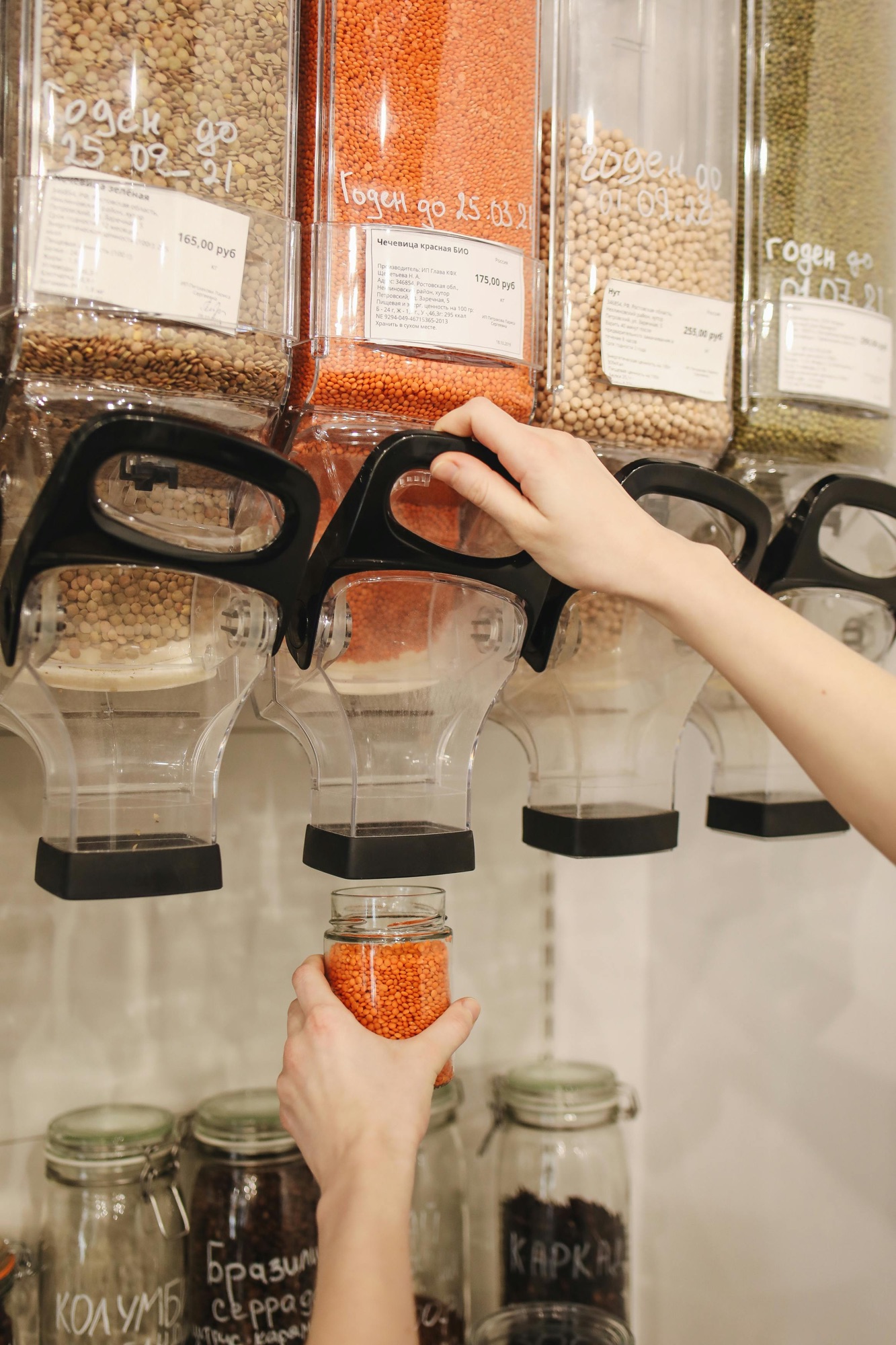
Bulk buying works when done smartly. It is not about filling the garage with giant packs that you never finish. Focus on items you use often and that last long.
Examples:
• rice
• pasta
• oats
• canned beans
• cleaning supplies
• toilet paper
Avoid bulk buying fresh produce that spoils quickly. That leads to waste and regret.
If you’re looking for community-vetted deals, OzBargain is an essential resource where savvy shoppers share the latest grocery discounts and coupon codes.
Emotionally, bulk buying can feel expensive on the day you shop. But when the next few weeks go by without purchasing those items again, the savings become clear.
Try cheaper cuts of meat or go meat-free sometimes

Meat is often the most expensive part of the grocery bill. You can save without sacrificing nutrition by:
• choosing mince instead of steaks
• using chicken thighs instead of breasts
• buying whole chicken and portioning it
• adding beans or lentils to meals
Another option is having one or two meat-free days each week. Many families are surprised to discover they actually enjoy bean chili, veggie pasta, or lentil curry.
This shift does not need to be ethical or lifestyle driven. Sometimes it is simply financial relief.
Freeze more food to make it last
Your freezer is one of your strongest financial tools.
Freeze:
• bread
• cooked meals
• meat portions
• berries
• herbs
• leftovers
If bananas are getting brown, freeze them for smoothies. If you cook a big pot of curry, freeze half for next week. Freezing extends life, stops food waste, and helps during tight weeks when money is low.
There is emotional comfort too. Knowing food is ready in the freezer removes stress when payday is still far away.
Compare price per unit, not just product price
Supermarkets place two prices on shelf labels:
• total price
• price per unit (per 100g, per kg, etc.)
The unit price shows the real value. Larger packs often look more expensive at first glance but are cheaper per unit. Sometimes small packs trick you by appearing affordable while actually costing more per gram.
Once you start checking unit prices, it feels like putting on glasses and finally seeing clearly.
Avoid the “specials trap”
Specials are helpful when they match what you already planned to buy. They are harmful when they convince you to buy things you never wanted.
Marketing is designed to trigger excitement. Buy two, get one free feels like a victory. But if you did not need three, you just spent extra.
Healthy approach:
• buy discounted versions of planned items
• ignore deals on unplanned products
A bargain is only a bargain if it fits your needs. Otherwise, it becomes clutter in your pantry and pressure on your budget.
Consider local markets and discount stores
Sometimes major supermarkets are not the cheapest option. Local produce markets, ethnic grocery stores, and discount outlets often sell fresh food at lower prices.
Benefits:
• cheaper produce
• fresh stock
• bulk deals
Real scenario:
A couple started buying vegetables from a weekend market instead of a big supermarket. Their fruit and vegetable bill dropped by nearly one third. They also enjoyed the relaxed shopping environment and felt more connected to their food choices.
Do what fits your area and transport options. The goal is not perfection but progress.
Emotional side of grocery spending that nobody talks about
Money and food are deeply emotional. People feel guilt when they overspend, shame when they buy cheap options, or stress when the cashier reads out the total. Some parents worry their kids will miss out if they do not buy brand-name snacks.
You deserve kindness, not self-criticism. Saving money is not a sign of struggle. It is a sign of control, strength, and wisdom.
Small improvements matter. Even twenty dollars saved per week becomes more than one thousand dollars per year. That is school supplies, a weekend away, debt repayments, or simply peace of mind.
Where we are now in the article
You have reached the second half of this deep guide. We have covered:
• meal planning
• checking your pantry
• switching to home brands
• seasonal produce
• emotional triggers
• loyalty programs
• bulk buying
• unit pricing
• cooking at home
• freezing food
• avoiding marketing traps
Create a realistic grocery budget and track it weekly
A grocery budget does not mean strict rules or complicated spreadsheets. It simply means deciding how much you want to spend and checking whether you stayed close to that number.
You can:
• divide your monthly amount into weekly limits
• use a notes app
• use a budgeting app
• write numbers on the fridge whiteboard
The goal is awareness. When you see the total rising through the month, you naturally adjust choices. Many families are surprised to see how quickly small extras add up, and this awareness alone begins saving money.
Common mistake:
People set an unrealistically low budget then feel like they failed. Set something practical first. Improvement over time is success.
Shop with cash or prepaid card to control overspending
Cards make spending feel painless. Cash feels real. You see it leave your hand and your brain treats it differently.
If you struggle with staying under budget, try:
• cash envelope system
• prepaid grocery card
• separate bank account just for food
When money in that category is gone, you stop. It is simple and powerful.
Real-life story:
Tom and Mia used to swipe their card without thinking. By mid-month they were shocked by their bank statement. They switched to using cash just for groceries. At first it felt limiting, then strangely freeing. They no longer worried about surprise totals because the limit was already set in their wallet.
Make a “no spend week” challenge for groceries except essentials
Every few months, try a week where you only buy:
• milk
• bread
• absolute essentials
Everything else must come from what is already at home.
This challenge does three things:
• cleans out pantry and freezer
• reminds you of how much food you already own
• gives your bank account breathing space
It often turns into a creative cooking week where strange combinations surprisingly work well.
Reduce food waste through better storage habits
Food waste is money waste.
Better storage ideas:
• keep herbs in jars with a little water
• store berries dry
• use airtight containers
• place older items in front
• freeze near-expiry foods
A well-organized fridge also reduces the emotional stress of “I do not know what is in here” moments. You see what you have, so you use it before it spoils.
Involve the whole family in saving on groceries
Saving money works best when everyone helps, not when one person struggles alone.
Kids can:
• help plan meals
• choose one snack within budget
• learn about prices
Partners can:
• share shopping
• respect the list
• avoid impulse buys
This turns saving into teamwork rather than restriction. It also teaches children healthy money habits that will help them as adults.
Reality: it is not just about groceries, it is about control
Rising prices can make people feel powerless. Standing at the checkout while totals jump higher brings worry, frustration, or even embarrassment. Many parents quietly remove items from the trolley because they are afraid of the final number.
Making small smart changes brings back a sense of control. You are not just cutting costs. You are deciding where your money goes and what your priorities are.
You deserve financial calm. You deserve a fridge that supports your budget instead of fighting it. You deserve to walk out of the supermarket feeling confident instead of stressed.
Final words: slow progress beats perfection
You do not need to apply all ten strategies at once. Choose two or three, get comfortable, then add more.
Over weeks and months, you will notice:
• less waste
• smaller receipts
• fewer surprises at checkout
• more extra money for savings, bills, or goals
The journey is personal. Your household, dietary needs, and lifestyle are unique. What matters is mindful choices, not perfection.
Take a breath, take control, and let your grocery spending work for your life instead of against it.