Hidden Fees in Credit Cards are one of the biggest reasons people feel confused, frustrated, and sometimes cheated by their credit card bills. Many users don’t overspend. They don’t shop wildly. Yet somehow, their toggle balance keeps growing. The reason is often not what they bought it’s what they didn’t notice.
These fees don’t scream at you. They whisper. They hide in fine print. And by the time you realize what happened, the money is already gone.
I’ve seen hardworking people blame themselves for “poor money habits,” when in reality, small hidden charges quietly stacked up month after month.
Let’s talk about those fees
Why Credit Card Fees Feel Invisible at First
Most credit cards are marketed with attractive promises:
• “No annual fee”
• “0% interest for 12 months”
• “Cashback on every purchase”
What isn’t highlighted is how easily fees sneak in once you start using the card like a normal human being.
Banks don’t lie outright. They just don’t explain things the way people actually experience them.
A fee of $3 here, $7 there, or $25 once in a while doesn’t feel serious until you add them up.
Annual Fees (Even on Cards That Say ‘Free’)
The fee you didn’t expect to pay
Some cards clearly charge an annual fee. That’s honest.
But others advertise “no annual fee”, then quietly add:
• Maintenance fees
• Card service fees
• Membership renewal charges
Real-Life Story– Ravi’s First Credit Card Shock
Ravi got his first credit card during his first job. The sales rep said, “No annual fee, don’t worry.”
Six months later, Ravi noticed a small charge labeled “card service fee.”
It wasn’t large but it appeared every year.
When Ravi asked the bank, they said:
“Yes sir, technically no annual fee, this is a service charge.”
That’s how wording works.

Late Payment Fees (The Most Punishing Fee)
One missed date can cost more than interest
Late payment fees are brutal. Miss your due date by one day, and you may face:
• A fixed late fee
• Loss of promotional interest rate
• Damage to your credit score
And here’s the painful part:
Late fees often trigger higher interest rates going forward.
Real-Life Story – sarah’s “One-Day Late” Mistake
Sarah always paid her bills. One month, she traveled and forgot.
She paid the bill one day late.
Result?
• Late fee charged
• Interest rate increased
• Next bill was noticeably higher
She didn’t buy anything new yet paid more.

Interest Charges You Didn’t Expect
Interest starts earlier than you think
Many beginners believe interest applies only if you don’t pay at all.
In reality:
• Interest can apply if you don’t pay the full balance
• Cash advances start interest immediately
• Promotional periods end silently
Even a small remaining balance can generate interest on the entire amount.
Cash Advance Fees (The Most Expensive Convenience)
Withdrawing cash using your credit card is dangerous
Cash advances come with:
• Immediate interest (no grace period)
• Higher interest rates
• Flat fees or percentage fees
It’s one of the costliest things you can do with a credit card.
Real-Life Story : Daniel’s Emergency Cash Withdrawal
Daniel needed emergency cash late at night.
He used his credit card at an ATM.
What he didn’t know:
• ATM fee
• Cash advance fee
• Daily interest from day one
That small withdrawal cost him much more than expected.
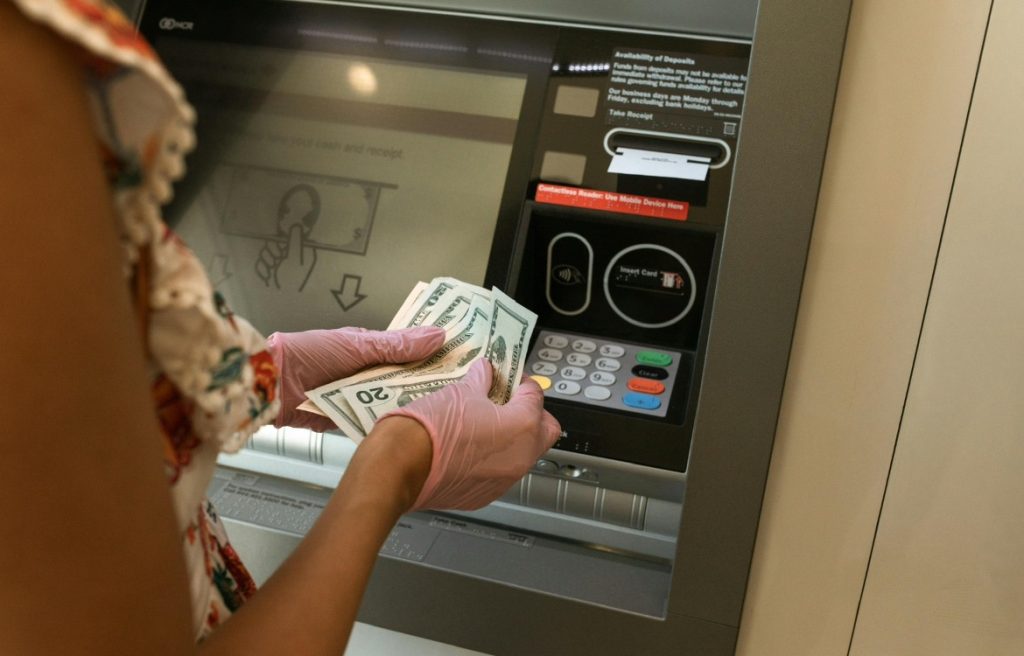
Foreign Transaction Fees (The Silent Travel Tax)
Buying online from international websites? This applies to you too
Foreign transaction fees often apply when:
• Traveling abroad
• Shopping on international websites
• Using foreign apps or services
The fee is usually 2–4% — small, but constant.
You won’t notice it on one purchase.
You’ll feel it after many.
Over-Limit Fees (Even When You Barely Cross the Line)
Some cards allow transactions even after you exceed your limit — then punish you for it.
That $5 coffee might:
• Push you over the limit
• Trigger an over-limit fee
• Increase interest rates
You didn’t feel reckless but the system treated you as if you were.

Inactivity and Dormant Card Fees
Yes, sometimes you’re charged for not using the card.
Some issuers add:
• Dormancy fees
• Maintenance charges
This hits people who:
• Keep cards “just in case”
• Stop using old cards

Why These Fees Hurt Beginners the Most
Beginners:
• Trust marketing
• Don’t read fine print
• Assume banks will warn them
But banks don’t warn — they charge.
And once the habit starts, fees repeat.
How to Spot Hidden Fees Before You Apply for a Credit Card
Most people realize hidden fees in credit cards only after money is gone. But with a few habits, you can catch them early.
Always read the “Fees & Charges” section first
Before benefits. Before rewards. Before cashback.
Look specifically for:
• Annual or membership fees
• Late payment penalties
• Cash advance charges
• Foreign transaction fees
• Over-limit fees
If a card doesn’t clearly show this page, that’s already a red flag.
Ask direct questions (even if it feels awkward)
Sales staff are trained to highlight benefits, not fees. Ask clearly:
• “What happens if I’m late by one day?”
• “Is there any fee if I don’t use the card?”
• “Does interest apply immediately on cash withdrawals?”
If answers sound vague, assume there is a fee.
How to Read Your Credit Card Statement Like a Pro
Many people glance at the “Total Due” and stop there. That’s a mistake.
Focus on these 5 lines every month
1. Interest charged – even small amounts matter
2. Fees & adjustments – this is where hidden fees live
3. Minimum due vs total due – paying minimum costs more long term
4. Due date – missing it once can trigger penalties
5. Interest rate changes – sometimes raised silently
Real-Life Scenario : The Fee You Only Notice Later
A young professional checked only the total due for months.
One day, he noticed a repeated $5 charge labeled service fee.
That was $60 a year unnoticed.
Small numbers repeat quietly. That’s how banks win.
Can You Remove or Reduce Hidden Credit Card Fees?
Yes but only if you try.
H3: Call the bank (this works more than you think)
If you’ve:
• Paid on time
• Used the card responsibly
• Been a customer for months or years
You can politely request:
• Fee reversal
• Late fee waiver
• Annual fee reduction
Banks won’t offer it but often approve it if asked.
Switch to a better card if needed
Loyalty is good. Blind loyalty is expensive.
If your card keeps charging:
• High fees
• Complicated penalties
• Poor transparency
It’s okay to move on.
Smart Habits That Protect You from Hidden Fees
Here’s what experienced card users do differently:
Set automatic payments
Even minimum payments just to avoid late fees.
Avoid cash advances completely
If you need emergency cash, explore:
• Savings buffer
• Debit card
• Short-term alternatives
Credit card cash advances should be last, last option.
Keep usage below 30–40% of limit
This:
• Prevents over-limit fees
• Keeps interest manageable
• Protects your credit health
Are Hidden Fees in Credit Cards Legal?
Yes. Unfortunately.
They are legal because:
• They are disclosed (somewhere)
• You agreed to terms
• Regulators allow fine-print disclosures
Legal doesn’t mean fair.
And fair doesn’t mean simple.
That’s why education matters more than trust.
Who Should Be Most Careful About Credit Card Fees?
Hidden fees hurt some groups more than others:
• First-time credit card users
• Students and young professionals
• People living paycheck to paycheck
• Anyone using credit for emergencies
If money is already tight, fees make it tighter.
Is a Credit Card Still Worth It Despite Hidden Fees?
Yes if used with awareness.
A credit card can:
• Build credit history
• Offer protection on purchases
• Provide short-term flexibility
But only when you control the card, not the other way around.
Final Thoughts
Hidden fees in credit cards don’t ruin people overnight.
They drain confidence slowly.
People feel:
• Confused by bills
• Ashamed of “not understanding money”
• Afraid to ask questions
But the truth is simple:
Credit cards aren’t evil silence is.
When you understand the fees, the fear disappears.
When the fear disappears, control returns.
And control is what money is really about.
Useful Resources for Further Reading
NerdWallet: A great resource for comparing how different banks structure their hidden charges.
Forbes Advisor: Read their tips on how to avoid common credit card fees
Moneysmart: To learn more about standard and hidden credit card fees, visit the Moneysmart Credit Card Guide.
Read my previous articles about Credit & Debt