Imagine this you walk into the supermarket with a short grocery list. You are thinking, “This won’t cost much…” then the cashier says a how much for that list you got shocked. You stare at the screen like it’s a prank. We’ve all felt that moment the quiet sigh, the fake smile, the heavy bag and heavier mind.
High inflation in 2026 is not just a news headline it’s personal. People in the USA, Canada and Europe are feeling it every day when they go to the grocery store, when electricity bills arrive, when rent renews, and even when they buy bread. High inflation 2026 has changed how families shop, cook, and live, and if you’re reading this, maybe you’re feeling the pressure too.
Let’s talk honestly.
Let’s fix this with real, practical ways to cut grocery & household costs, even if you’re living paycheck-to-paycheck, even if salaries didn’t increase, even if everything feels expensive.
This is not a dream-saving list.
This article fully based on my life. I still donig this. This is not rocket science. I’ll guide you how i do that. Here are the simple examples.
1. Cook More Meals at Home (Huge Money Saver)
Eating out is convenient, but expensive now more than ever. A burger meal in the US can cost $12–$18, in Canada $14–$20, and in Europe €10–€15. Cooking at home can reduce this cost by 50–70%.
You don’t need to be a chef. You don’t need fancy recipes.
Sometimes the best dinner is just:
✔ Rice + chicken + veggies
✔ Pasta + sauce + cheese
✔ Soup + bread
✔ Eggs + toast + fruit
One home meal can feed 3 people for the price of one fast food burger.

2. Switch to Store Brands Instead of Big Brands
Brand names are expensive because you pay for marketing, not quality. but truth is all are same.
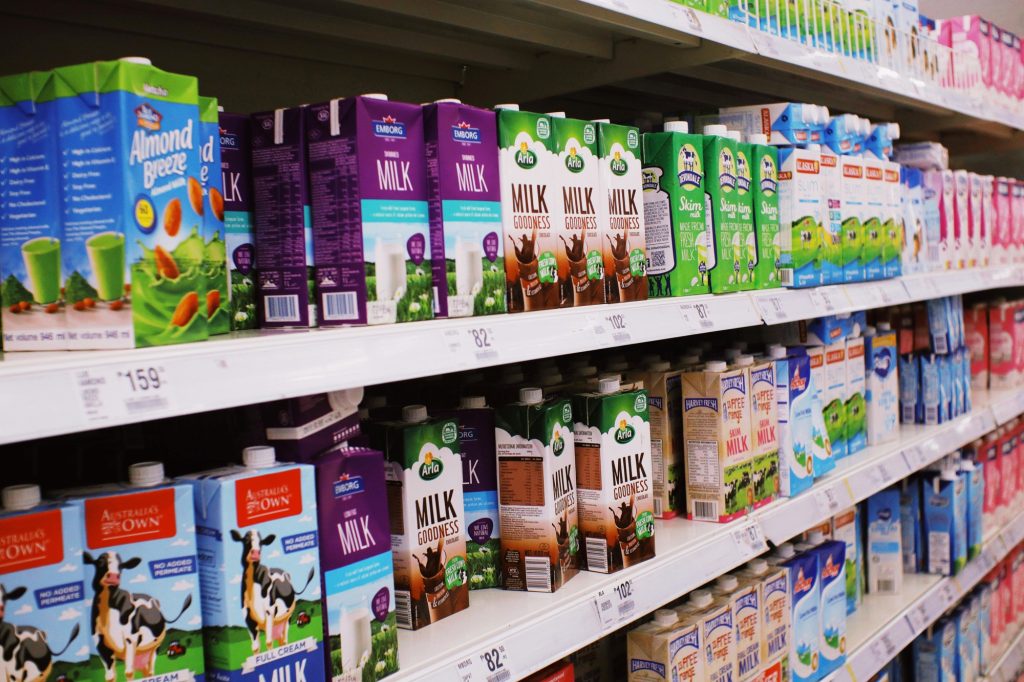
Store brands (Walmart Great Value, Aldi/Lidl brand, Tesco brand, Costco Kirkland, No Name Canada) are often 30–50% cheaper and taste very similar.
Example price comparison:
| Product | Expensive Brand | Store brand |
| Milk (1L) | $3.50 | $2.20 |
| Pasta | €2.50 | €1.00 |
| Butter | CA$6.99 | CA$4.49 |
| Cereal | $5.49 | $2.99 |
That’s real savings.
3. Meal Planning for the Week = Less Waste, More Money Saved
Many households waste $50–$100/month in food that goes bad.
Why? No plan → random purchases → forgotten vegetables.
Instead, choose 3–5 meals per week and buy only what they need.
Example weekly plan:
| Day | Dinner plan |
| Monday | Pasta + veggies + Monday |
| Tuesday | Chicken rice bowl |
| Wednesday | Veg rice bowl |
| Thursday | Leftovers (Very important |
| Friday | Homemade pizza night |
| Weekend | Cheap comfort meal or family cook time |
Leftovers = not boring.
Leftovers = free meal the next day.

4. Buy in Bulk — But Smartly (USA & Canada especially)
Buying big packs from Costco, Sam’s Club, Metro, Aldi, etc. can cut costs long-term.
But don’t bulk everything.
Bulk wisely:
Best for bulk: rice, pasta, oats, beans, flour, canned food, toilet paper.
Avoid bulk: fruits, bread, fresh veggies (unless freezing).
Freeze meats into 1-meal portions.
Freeze bread slices.
Freeze chopped veggies for fast cooking.
Bulk is not saving unless you use it fully.
5. Buy Seasonal Produce (Europe buyers know this well)
Strawberries in winter? Expensive.
Tomatoes in summer? Cheap.
Seasonal food = fresh + cheaper + local.
Example savings:
| Country | Off-season price | Seasonal price |
| USA | Strawberries $6.99 | $2.99 |
| Canada | Blueberries $7.49 | $3.49 |
| Europe | Tomatoes €4.50/kg | €1.70/kg |

6. Electricity & Heating Savings at Home
High inflation is not just about food — electric bills also increased.
Simple habits can lower bills:
✔ Switch off lights
✔ Air dry clothes instead of dryer
✔ Wash with cold water
✔ Shorter showers
✔ Smart thermostat use
USA/Canada households saw electric bills jump 15–30% in many areas.
Europe saw extreme rises in heating cost.
A small change saves $20–$60 monthly.

7. Laundry Savings
Dryer costs electricity.
Heat drying costs extra.
Laundry detergent is expensive.
Try:
– Use half detergent, works the same
– Full loads only
– Line-dry when possible
– Rewear clothes that aren’t dirty

8. Use Loyalty Cards & Cash-Back Reward Programs
High inflation 2026 continues to push grocery and household spending higher, and one of the easiest ways to fight it is by using loyalty reward programs. You buy groceries anyway — why not earn points or cash every time?
🛍 Programs worth checking:
• USA: Kroger Rewards, Walmart Rewards, Target Circle
• Canada: PC Optimum, Metro Air Miles, Scene+
• Europe: Tesco Clubcard, Lidl Plus, Carrefour Bonus
Even if a single visit saves only $1–$3, weekly savings can become $20–$60/month, and yearly savings $300+ without changing what you buy.

9. Choose Frozen, Canned & Bulk Items Instead of Always Fresh
Fresh food is amazing, but it spoils fast and becomes expensive when inflation is high. A smarter inflation strategy is mixing fresh with frozen + canned + bulk dry items.
Affordable long-lasting staples:
• Frozen vegetables (spinach, broccoli)
• Canned beans/lentils
• Bulk rice, oats & pasta
• Frozen berries for smoothies
A family meal made with beans + rice + veggies can cost as low as $2–$5 total, compared to $20+ on takeout.
10. Switch to Cheaper Grocery Alternatives
Inflation doesn’t mean downgrading quality just buying smarter. You don’t have buy experience brands trust me taste is same. You pay extra for brands.
Smart swaps:
| Expensive | Affordable Swap |
| Chicken breast | Whole chicken / thighs |
| Branded cereal | Store brand oats |
| Fresh berries | Frozen berries |
| Soft drinks | Homemade lemon drink |
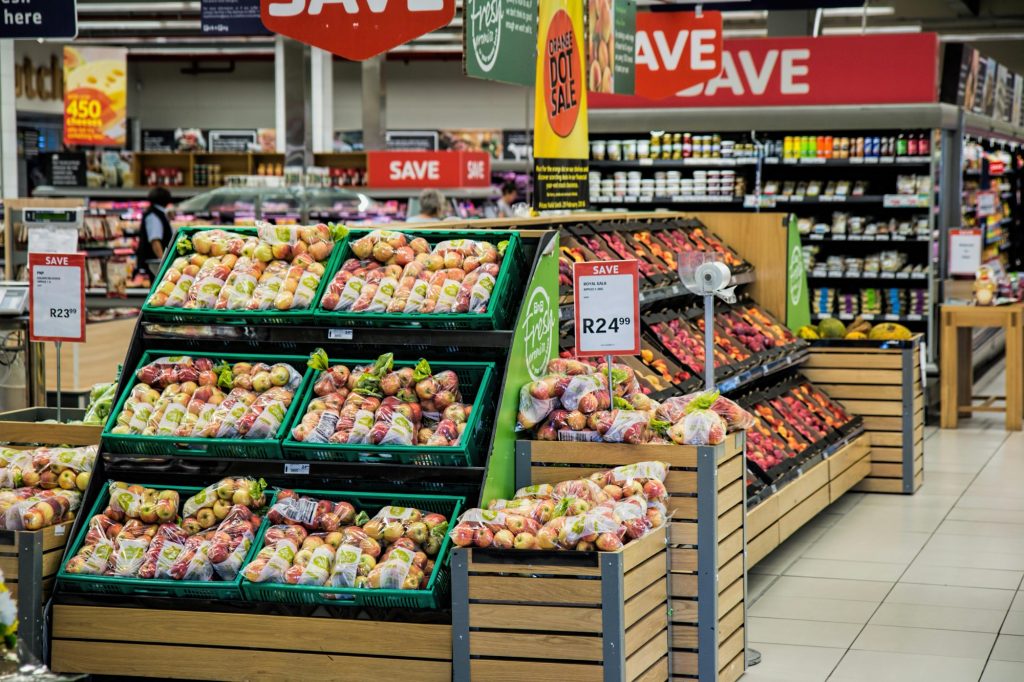
typical weekly grocery bill of $120 could drop to $80–$90 using swaps alone.
11. Weekly Meal Planning
Meal planning prevents impulse spending — one of the biggest money leaks in grocery shopping.
Benefits:
✔ Less waste
✔ More control
✔ Cheaper weekly cost
Meal Plan Example Under Inflation:
• Monday: Rice + beans + veggies
• Tuesday: Pasta + sauce + frozen peas
• Wednesday: Chicken stew + potatoes

12. Prevent Food Waste With Freezer Storage
Throwing away food = throwing away money.
Freeze leftovers, meat, bread, chopped veggies and extend life by weeks.
Freeze-friendly items:
• Bread slices
• Soups
• Chopped onions/garlic
• Cooked beans
Saving $5/day from reduced waste = $150/month.
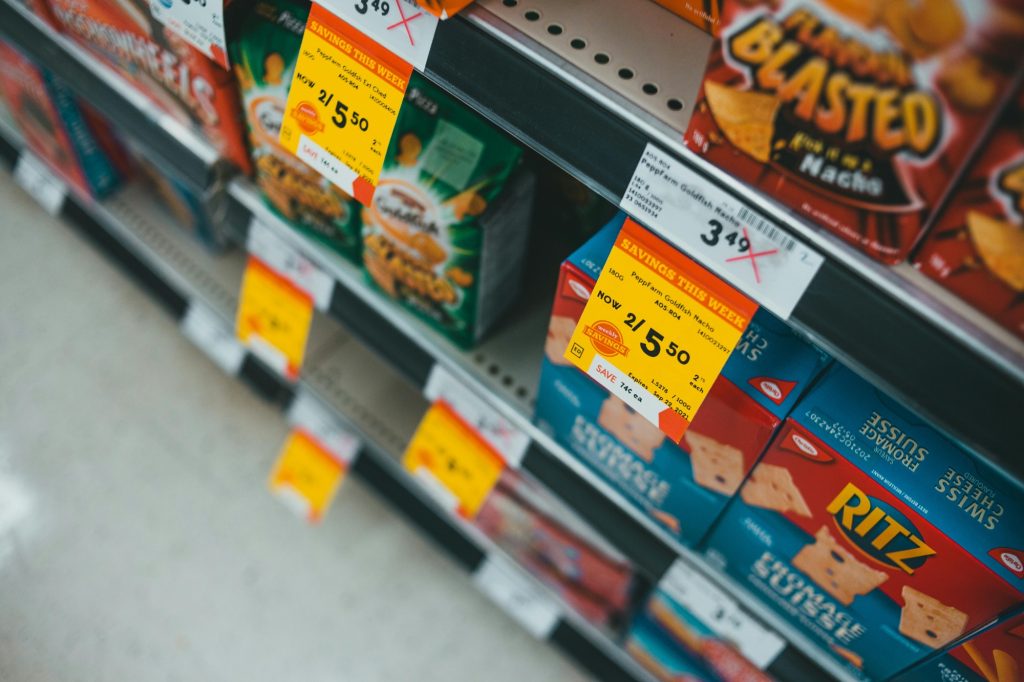
13. Hunt Discounts, Clearance & Price Drops
Inflation survival = timing your buys.
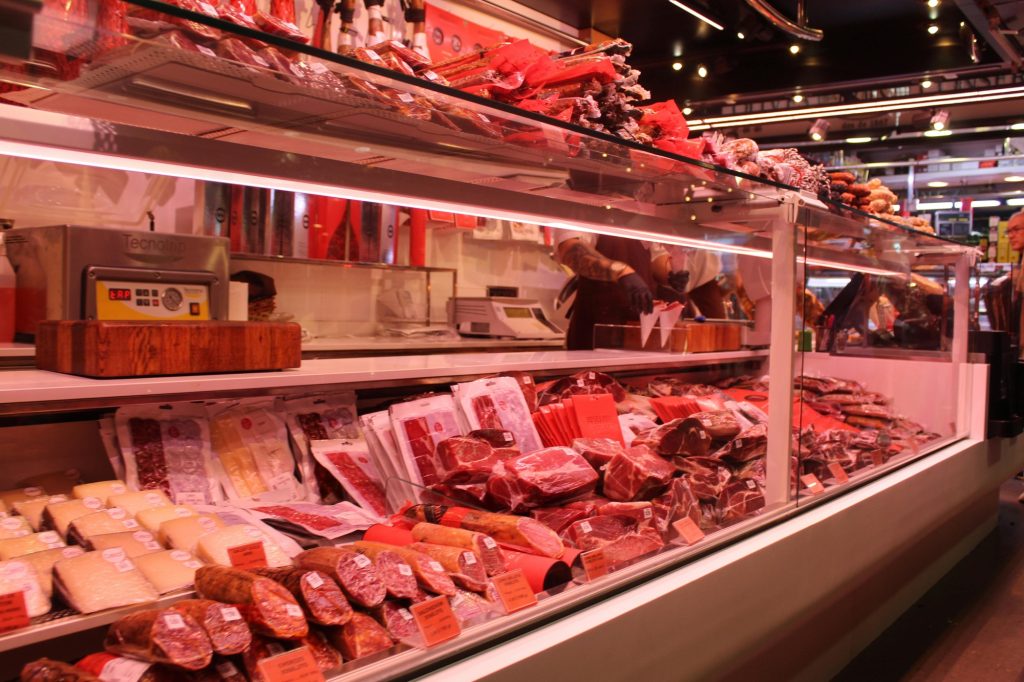
Look for yellow tags, last-day deals, clearance meat and near-expiration items that still cook well.
Some stores drop prices after 8 PM.
14. Use Grocery Receipt Apps
For example:
• Fetch Rewards (US/CA)
• Ibotta (US)
• Shopmium (EU)
• Checkout51 (CA)
Scan receipt → earn points → redeem for gift cards.
Small but powerful for inflation survival.
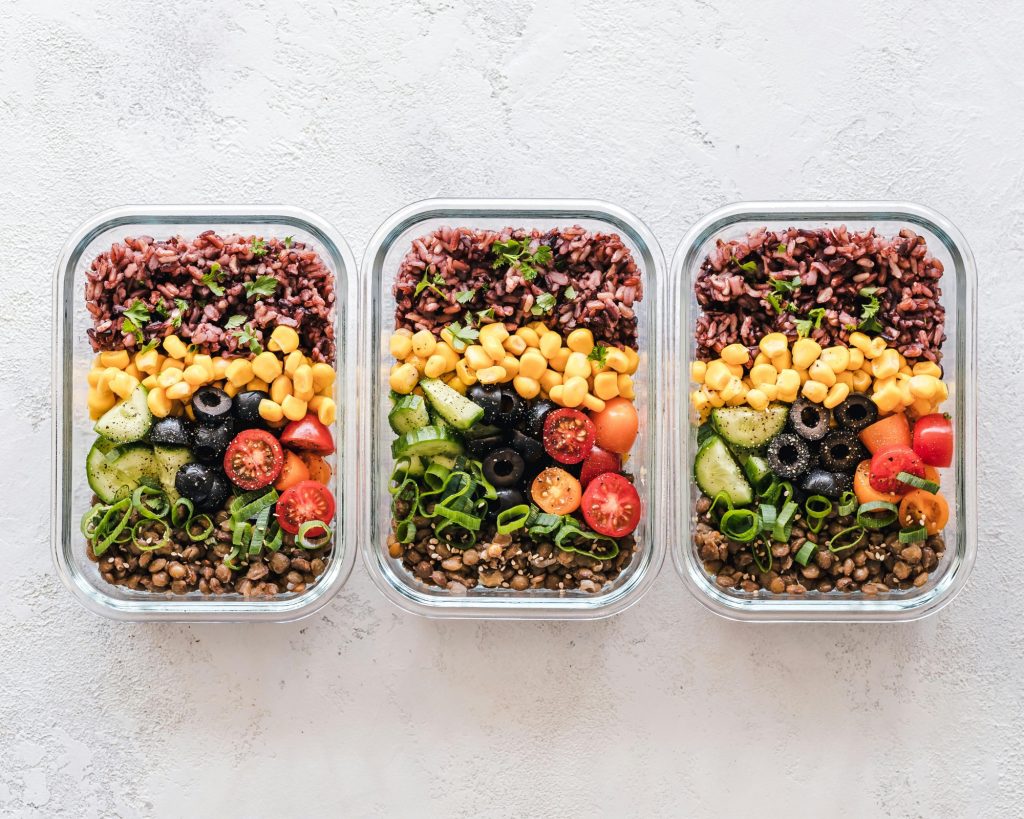
15. Cook Once, Eat Twice
Make large meals & repurpose leftovers:
• Roast chicken → soup next day
• Rice → fried rice next day
• Lentils → curry next day
Meals drop from $4-$6 → $1.50-$3/serving. these are the my meal plan. You can create suitable one for you.
16. Buy Seasonal Food — Not Trendy Food
Avocados might look nice on Instagram but seasonal apples may cost half.
Eating what nature grows in current season always saves money.
Seasonal = cheap + fresh + tasty + nutritious.
Example:
| Region | Seasonal Winter Foods |
| USA | citrus, potatoes, apples, cabbage |
| Canada | root vegetables, onions, squash |
| Europe | beets, carrots, turnips, leeks |
Switching seasonal can cut 30% from fresh produce spending.
17. Learn 10 Cheap Recipes and Rotate Them
You don’t need 100 recipes — just 10 good budget meals.
Examples:
• Lentil soup
• Stir fry noodles
• Peanut butter oats breakfast
• Potato omelette
• Tuna pasta
• Vegetable curry + rice
Repeating meals saves time, planning stress, and deep money.
18. Use Cash for Grocery Day
Digital payments make spending painless.
Cash is emotional when it leaves your hand, you feel it.
Try this:
1. Set weekly grocery budget: e.g., $70.
2. Withdraw $70 cash.
3. Spend only that no cards.
Many families see automatic 20–40% less overspending.
19. Share Bulk With Family or Friends
Buying bulk as a group reduces cost per head.
Example:
• 10kg rice pack cheaper than 1kg x 10
• Family A takes 4kg, B takes 3kg, C takes 3kg
Everyone wins.
20. Declutter + Sell Unused Items
Inflation hurts income, so bring money back into your home.
Sell unused:
• clothes
• kitchen items
• electronics
• furniture
• gym equipment
• old phones
Facebook Marketplace, OfferUp, Craigslist, Vinted work well.
You can make $100–$1000 fast.
21. Replace Eating Out With Home Treat Nights
Eating at restaurants increased 22–35% cost in many regions.
Replace restaurant day with Movie + Pizza Homemade Night.
Family fun + savings.
Restaurant meal for four = $60–120
Homemade pizza night = $12–25
Monthly savings: $150–400
22. Use Slow Cooker or Instant Pot
Cheap meats become tender. Beans become delicious. Soups feed many.
Low electricity + high output = perfect inflation tool.
23. Stop Throwing Away Food
Most households throw away 15–30% of food per month.
Strategy:
• Freeze leftovers
• Label items with date
• Turn stale bread into crumbs
• Turn soft fruit into smoothies
• Turn vegetables into soup
Saving food = saving money.
24. Grow Small Herbs at Home
Mint, basil, green onions are easy.
One-time cost → constant supply.
Savings: $5–$15/month, more if cooking daily.
25. Emotional Control — Hardest but Most Important
High inflation is stressful. Fear leads to impulse buying and comfort spending.
You’re not alone. Millions are struggling. Control comes with awareness, small steps, one day at a time.
Say to yourself:
“I control my money. My money does not control me.”
26. Build a Simple Inflation-Proof Budget
Use the 70/20/10 method (flexible):
• 70% necessary expenses (food, bills, rent)
• 20% savings or debt payments
• 10% fun/personal
If money is tight:
• 80/15/5 or 85/10/5 also fine
Goal is balance, not perfection.
27. Start a Small Side Income
Inflation is not only spending problem — it’s income problem.
Simple earning ideas:
• Freelance writing
• Pet sitting
• Home bakery
• Tutoring
• Digital products
Even $100/week = $400/month = $4800/year — huge relief.
28. Compare Prices Before Buying
Use 3-store comparison method:
1. Check Walmart/Target (USA)
2. Costco/Sam’s Club for bulk
3. Local discount stores
Same item can differ 20–50% in price.
29. Switch to Generic Brands
Store brands taste nearly same — price lower.
Branded ketchup: $4.99
Store brand: $2.79
Same flavor.
Savings: $200–600/year just from this habit.
30. Real Future — Inflation May Not Fall Soon
2026 inflation forecast shows slow recovery. It might reduce but not back to old prices. Salaries may not catch up immediately.
So we prepare, not panic.
The power is with people who:
✓ track spending
✓ shop smart
✓ cook at home
✓ avoid waste
✓ learn financial habits
These people survive inflation — and grow stronger.
Final Words
High inflation 2026 is painful, but we adapt. You’re not alone. Millions are fighting same battle. Small changes add up. One grocery swap, one home meal, one budget step today — in 6 months you may look back and say “I made it.”
If you keep applying these strategies, you can save $200–$1000+ monthly depending on country and lifestyle.
You deserve financial peace. And it’s possible — one habit at a time.
Pingback: Best Grocery Reward Credit Cards in the USA That Help You Save Every Week - Financial Tips for Beginners
Comments are closed.