Introduction
How inflation changes your daily habits often happens quietly. You don’t wake up one day and decide to live differently. Instead, small changes creep into your life without permission. You buy fewer groceries, delay plans, stop small pleasures, and slowly accept a new “normal.”
Many people think inflation only affects banks, governments, or big companies. But in real life, inflation shows up in your kitchen, your fuel tank, your shopping cart, and even your mood. This article explains how inflation slowly reshapes your everyday habits often without you realizing it using simple language and real-life experiences.
1. You Start Buying Less Without Feeling Poor
At first, you don’t feel poor. You still earn the same salary. But your shopping basket becomes lighter.
You remove one or two items.
You choose cheaper brands.
You stop buying “extra” things.
A man who used to buy snacks for his children every weekend now buys them only once a month. He doesn’t announce it. He just adjusts.
Inflation trains you to accept less as normal. You don’t complain. You adapt.
2. Eating Outside Becomes a Rare Event
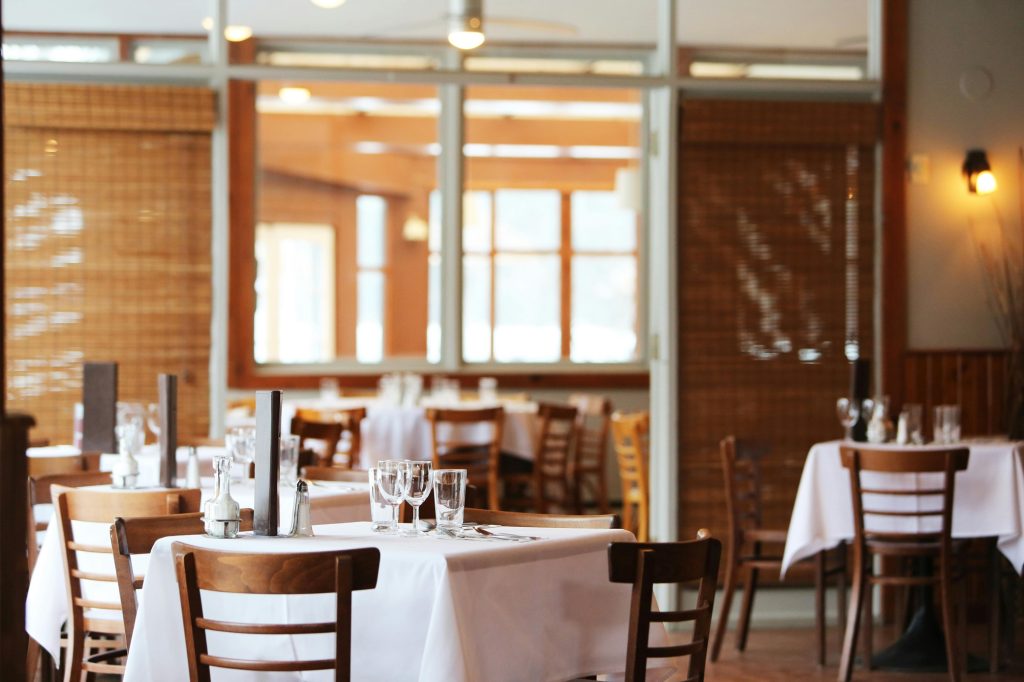
Restaurants don’t suddenly disappear from your life. You just visit them less.
You say:
• “Let’s cook at home.”
• “Maybe next month.”
• “It’s too expensive now.”
What used to be a weekly habit becomes a special occasion. Inflation quietly changes social behavior. Family gatherings reduce. Celebrations become simpler.
One couple said inflation didn’t hurt them — until they realized they hadn’t eaten out in six months.
3. You Delay Replacing Old Things
Your phone battery is weak.
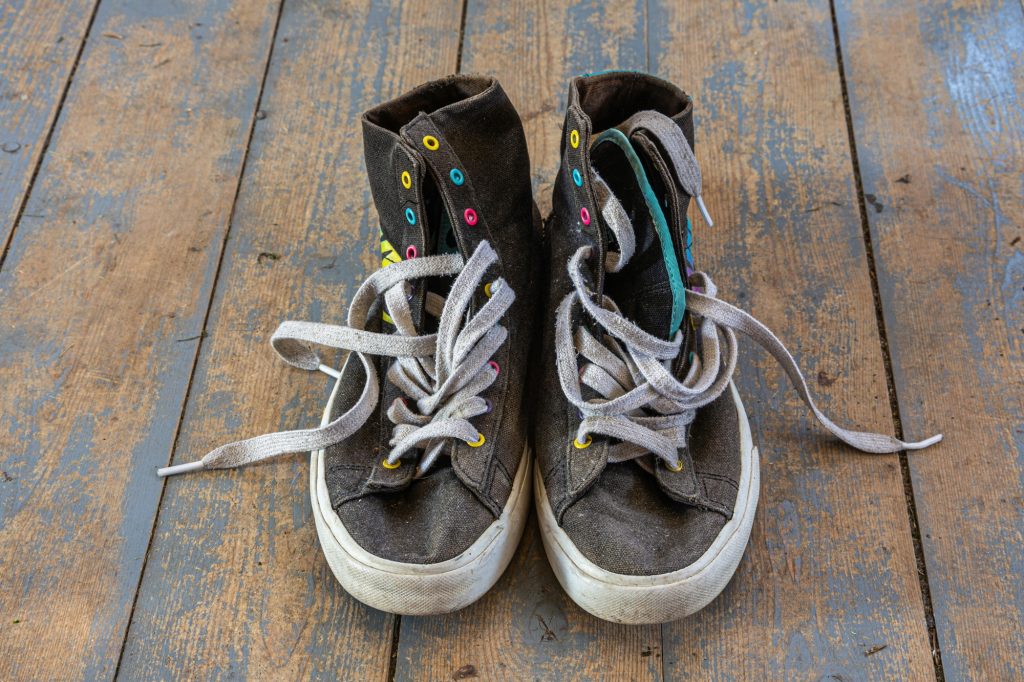
Your shoes are worn out.
Your fan makes noise.
But you delay.
Inflation teaches patience not by choice, but by pressure. You tell yourself, “It still works.” Over time, this becomes a habit.
People don’t upgrade anymore. They survive longer with less.
4. Subscriptions Slowly Disappear
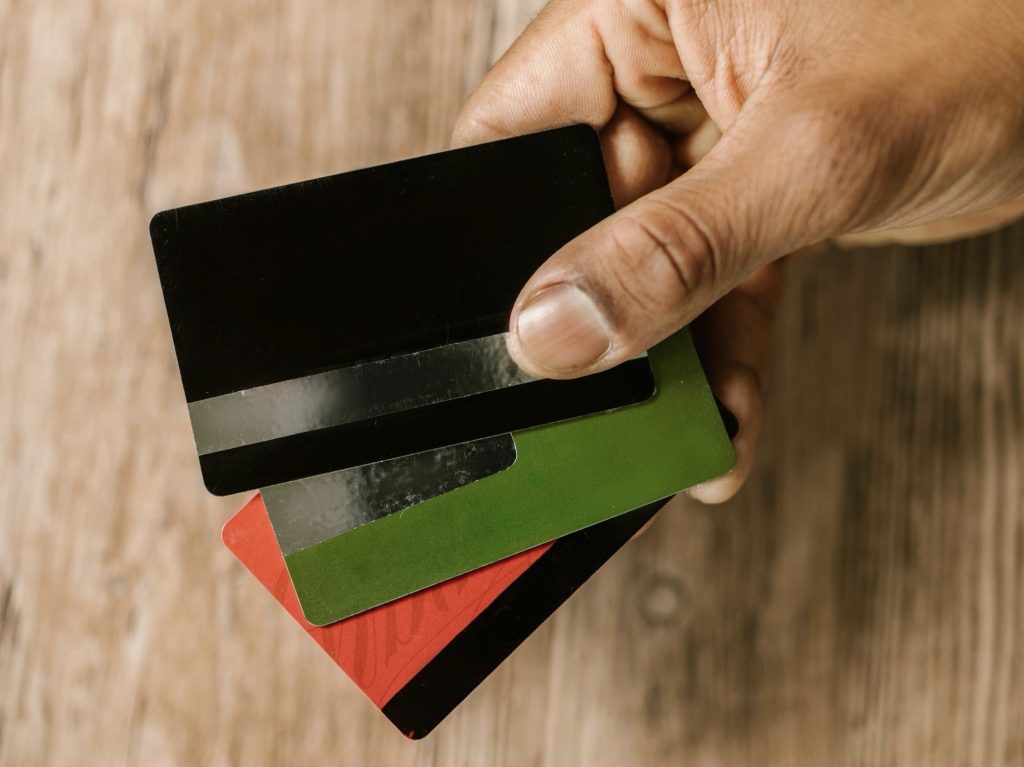
Streaming services. Music apps. Cloud storage.
One by one, they go.
Not because you don’t enjoy them but because inflation forces prioritization. Entertainment becomes optional. Essentials become mandatory.
You don’t feel dramatic canceling them. You feel practical.
5. Fuel Prices Change How You Move
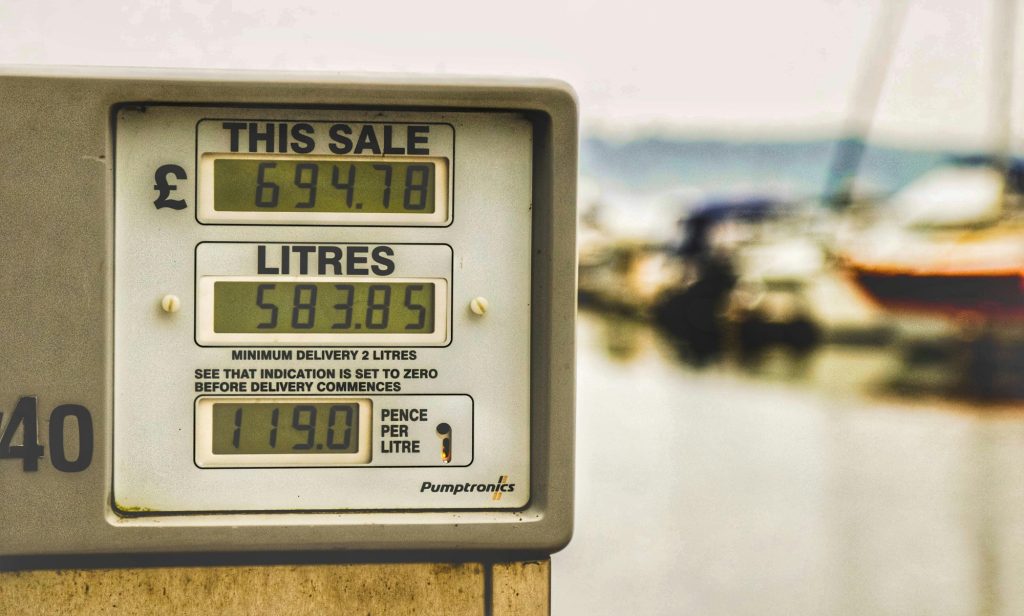
Inflation doesn’t just affect money it affects movement.
People:
• Walk more
• Combine trips
• Avoid unnecessary travel
A person who loved night drives now stays home. Not because they don’t enjoy it because fuel feels expensive mentally, even before it’s empty.
6. You Think Twice Before Helping Others
This is the hardest part.
You still want to help family.
You still want to donate.
You still want to be generous.
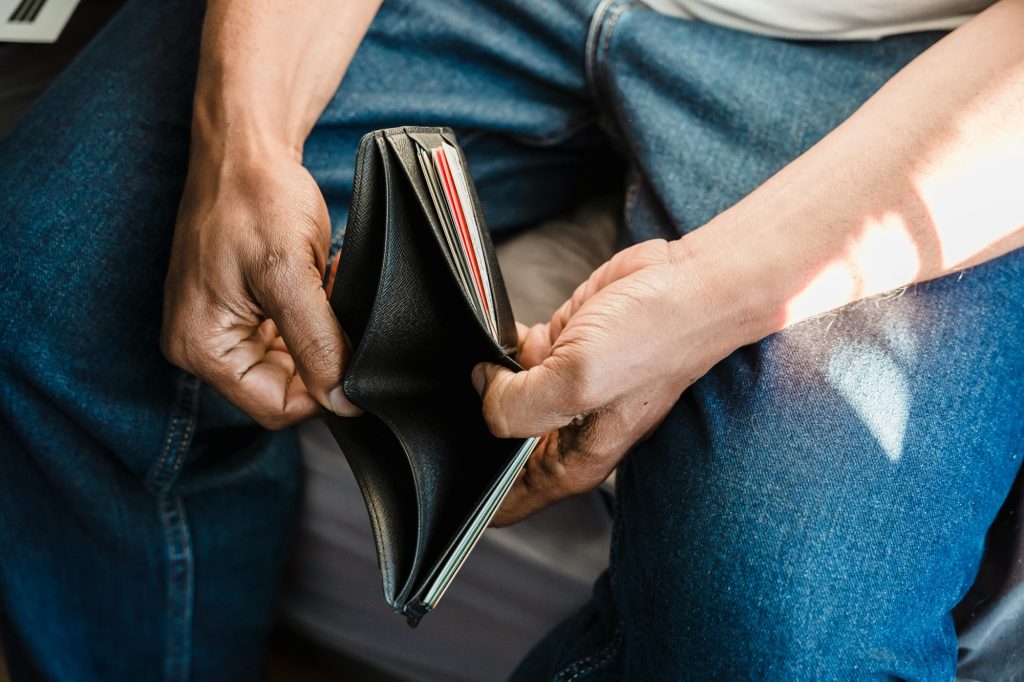
But inflation tightens the heart along with the wallet.
You help less, not because you’re selfish but because you’re scared.
7. Your Mental Health Changes Quietly
Inflation brings silent stress.
You think more.
You calculate constantly.
You worry about “what if.”
People sleep less. Smile less. Plan less.
Inflation doesn’t shout. It whispers anxiety every day.

8. Saving Becomes Emotional, Not Logical
Even if you save, it feels pointless.
You ask:
“What’s the use?” “Prices will rise anyway.”
Inflation steals motivation. Saving becomes harder mentally, even when income stays the same.
9. You Start Comparing Prices More Than Before
Before inflation, you bought what you liked.
Now, you compare everything.
You compare:
• Supermarkets
• Brands
• Online vs offline
• Even small items like soap or bread
This constant comparison slowly trains your brain to think in cost mode, not comfort mode. Shopping becomes tiring, not enjoyable.
Many people don’t realize how mentally exhausting this is until they feel burned out by simple purchases.

10. You Reduce Quality to Maintain Quantity
Inflation forces a painful trade-off: quality or quantity.
You may still buy the same number of items, but:
• Clothes feel thinner
• Food tastes different
• Products don’t last long
A family that once bought good-quality rice now buys cheaper rice just to manage the month. They eat the same amount, but the experience changes.
This shift happens quietly and slowly becomes “normal.”

11. Your Emergency Fund Becomes a Survival Tool
Savings used to feel like progress.
Now they feel like protection.
Instead of dreaming:
• Travel
• Home upgrades
• Investments
People save out of fear:
• Medical bills
• Job loss
• Sudden price hikes
Inflation changes saving from hope-based to fear-based.
12. You Say “No” More Often – Even to Yourself
You start saying:
• “Not now”
• “Too expensive”
• “Maybe later”
You say no to hobbies.
You say no to rest.
You say no to small joys.
Inflation doesn’t just limit money it limits permission to enjoy life.

13. Your Definition of “Needs” Changes
Before inflation:
• Needs felt reasonable
After inflation:
• Needs feel strict
Only rent, food, bills, and transport survive. Everything else becomes “luxury,” even things that improve mental health.
This redefinition slowly shrinks your lifestyle without you noticing.
14. Planning the Future Feels Risky
Inflation makes people stop planning long-term.
People avoid:
• Big commitments
• Loans
• Career risks
They stay safe, even if they’re unhappy, because uncertainty feels dangerous.
Inflation doesn’t kill dreams it pauses them indefinitely.
15. You Slowly Accept a Lower Standard Without Realizing
This is the most dangerous change.
You don’t complain anymore.
You don’t question prices.
You adjust expectations.
Inflation wins when people stop resisting and start accepting less as normal.
But awareness breaks that cycle.

Final Thoughts
Inflation doesn’t shout.
It teaches quietly.
It teaches you to:
• Want less
• Expect less
• Live smaller
But once you notice these changes, you regain power. Awareness allows you to adapt intentionally not automatically.
You may not control inflation, but you can control how much of your life it quietly takes away.