If you have ever checked your bank balance and felt confused or annoyed because it was lower than expected, you are not alone. Learning how to avoid bank fees in the USA can feel like decoding a secret language written in fine print. Monthly maintenance fees, overdraft charges, ATM fees, and random looking deductions quietly eat away at your money. The worst part is that many of these fees are completely avoidable once you know how the system works.
For many people, bank fees do not feel like a choice. They feel inevitable. A few dollars here, fifteen dollars there, and suddenly you have lost hundreds of dollars in a year without buying anything useful. That realization often brings frustration and regret. The good news is that banks follow patterns, and once you recognize them, you can stay one step ahead.
This guide is written with my life experiences and i personally following them.
Why Bank Fees Are So Common in the USA
The US banking system is convenient but fee heavy. Unlike some countries where basic banking is mostly free, American banks often rely on fees as a major source of revenue. According to data discussed by the Consumer Financial Protection Bureau, overdraft and related fees alone cost consumers billions of dollars every year.
Banks justify these fees as “service costs,” but in reality, many are behavioral penalties. They charge you when you do something they do not like, such as keeping a low balance or misjudging your spending by a few dollars.
This does not mean banks are evil, but it does mean you need to play the game with open eyes.
The Most Common Bank Fees That Drain Your Money
Before you can avoid fees, you need to recognize them. Many people miss them because they show up with vague names on statements.
Monthly Maintenance Fees
This is one of the most common charges. Many checking accounts charge between $5 and $15 every month just for existing.
Banks usually waive this fee if you meet certain conditions, such as:
• Maintaining a minimum balance
• Setting up direct deposit
• Being a student or under a certain age
If you miss even one requirement, the fee hits automatically.
Overdraft Fees
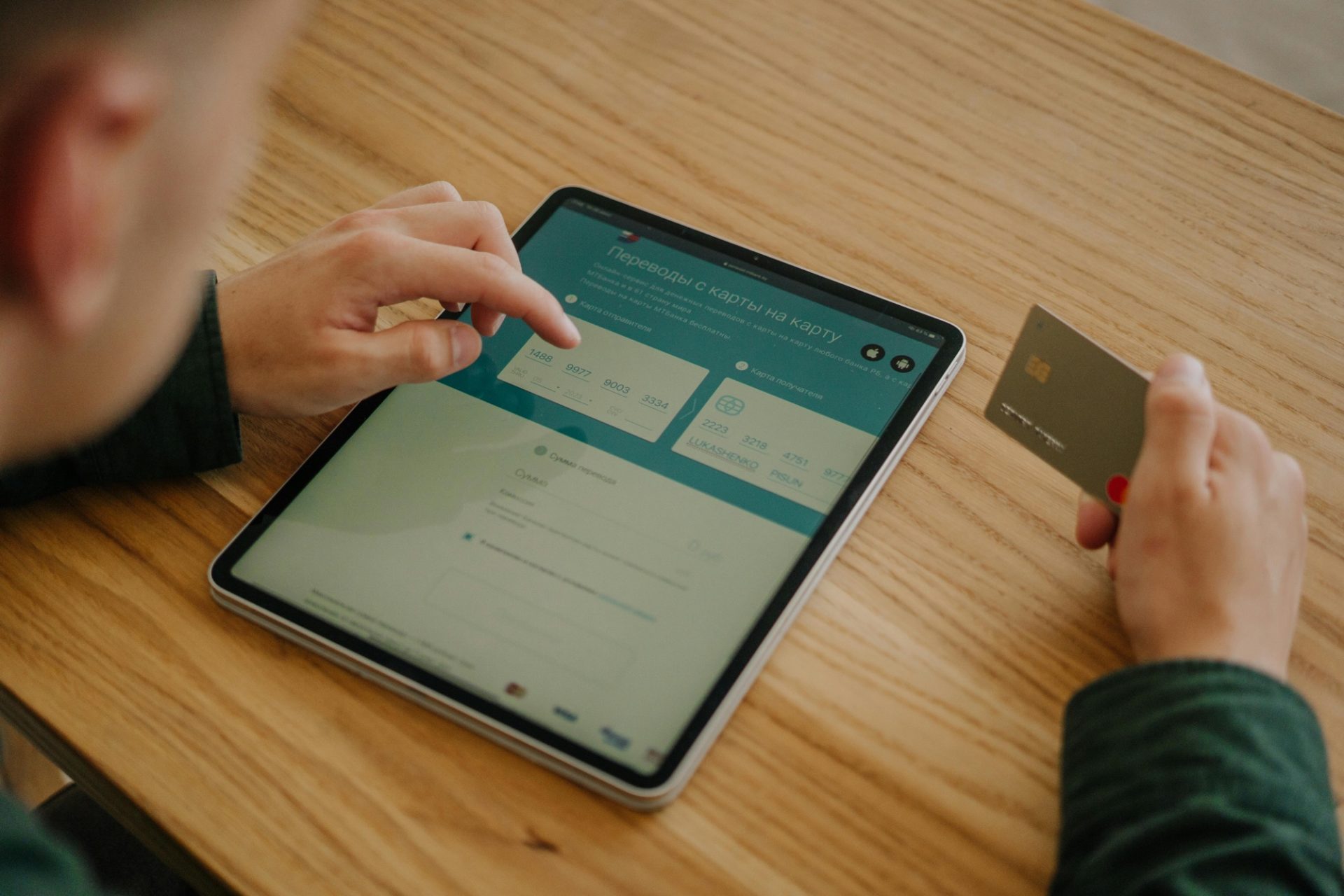
Overdraft fees are where banks make serious money. Spend more than what is in your account, even by $1, and you could be charged $30 or more.
The Federal Reserve explains how overdraft practices work and why they are controversial in its consumer banking research, which you can explore through the Federal Reserve Bank consumer resources.
Real life scenario:
Jason, a retail worker in Ohio, bought groceries thinking he had enough money. His balance was actually $8 lower than he thought. The result was a $34 overdraft fee. Then another purchase hit before he noticed, causing a second fee. A small mistake turned into nearly $70 lost in one day.
ATM Fees
Using an out of network ATM can cost you twice. Your bank charges a fee, and the ATM owner charges another. A single withdrawal can cost $4 to $6.
People often ignore this fee because it feels small, but over time it adds up quickly.
Understanding Your Bank’s Fee Schedule Is Not Optional
Most people never read their bank’s fee schedule. That is exactly what banks expect.
Fee schedules are usually hidden behind links labeled “Account Disclosures” or “Pricing Information.” They are boring to read, but they explain exactly how the bank makes money from you.
A helpful breakdown of common bank fees and how they work can be found on Investopedia’s guide to bank fees.
Once you understand the rules, avoiding fees becomes less about luck and more about habit.
Choosing the Right Bank Is the First Big Win
One of the smartest ways to avoid fees is choosing a bank that charges fewer of them in the first place.
Online Banks vs Traditional Banks
Online banks often have lower fees because they do not maintain physical branches. Many offer:
• No monthly maintenance fees
• Free ATM networks
• Lower or no overdraft fees
Forbes regularly reviews fee free banking options, and their analysis of modern digital banks highlights how much consumers can save by switching. A good reference is Forbes’ coverage of low fee online banks.
Traditional banks are not automatically bad, but you must be more careful with account requirements.

Credit Unions Often Fly Under the Radar
Credit unions are member owned and usually charge fewer fees. They are especially friendly to everyday users with modest balances.
Many people assume credit unions are harder to join, but eligibility is often simple. Sometimes it is based on location or employer.
According to CFPB guidance on credit unions, they tend to have lower overdraft and maintenance fees than big banks.
How Minimum Balance Traps Catch People
Minimum balance requirements sound simple, but they catch people during real life moments.
You might maintain $1,500 all month, then pay rent or an emergency expense drops your balance briefly. The bank does not care how long you stayed above the minimum. Even one day below can trigger a fee.
Real life scenario:
Maria, a graduate student, kept $2,000 in her account most of the year. One unexpected medical bill dropped her balance for three days. That single dip cost her a $12 monthly fee. She felt punished for having an emergency.
The solution is choosing accounts with realistic minimums or none at all.

Direct Deposit Is More Powerful Than You Think
Many banks waive monthly fees if you set up direct deposit. Even a small recurring deposit can qualify.
This includes:
• Salary payments
• Freelance income
• Government benefits
Banks love predictable money coming in. If you have any control over how you get paid, this is one of the easiest fee avoidance tools.
Bloomberg has reported extensively on how banks use direct deposit as a retention tool, showing why they reward customers who use it. Their analysis can be found in Bloomberg’s banking industry coverage.
Overdraft Protection Sounds Helpful But Often Is Not
Overdraft protection is often marketed as a safety net. In reality, it can be expensive.
When enabled, the bank allows transactions to go through and charges you a fee. When disabled, transactions are declined, usually with no fee.
Many people assume overdraft protection saves them money. In practice, it often encourages careless spending.
A better alternative is linking a savings account or using low balance alerts.
Alerts and Automation Can Save You Hundreds
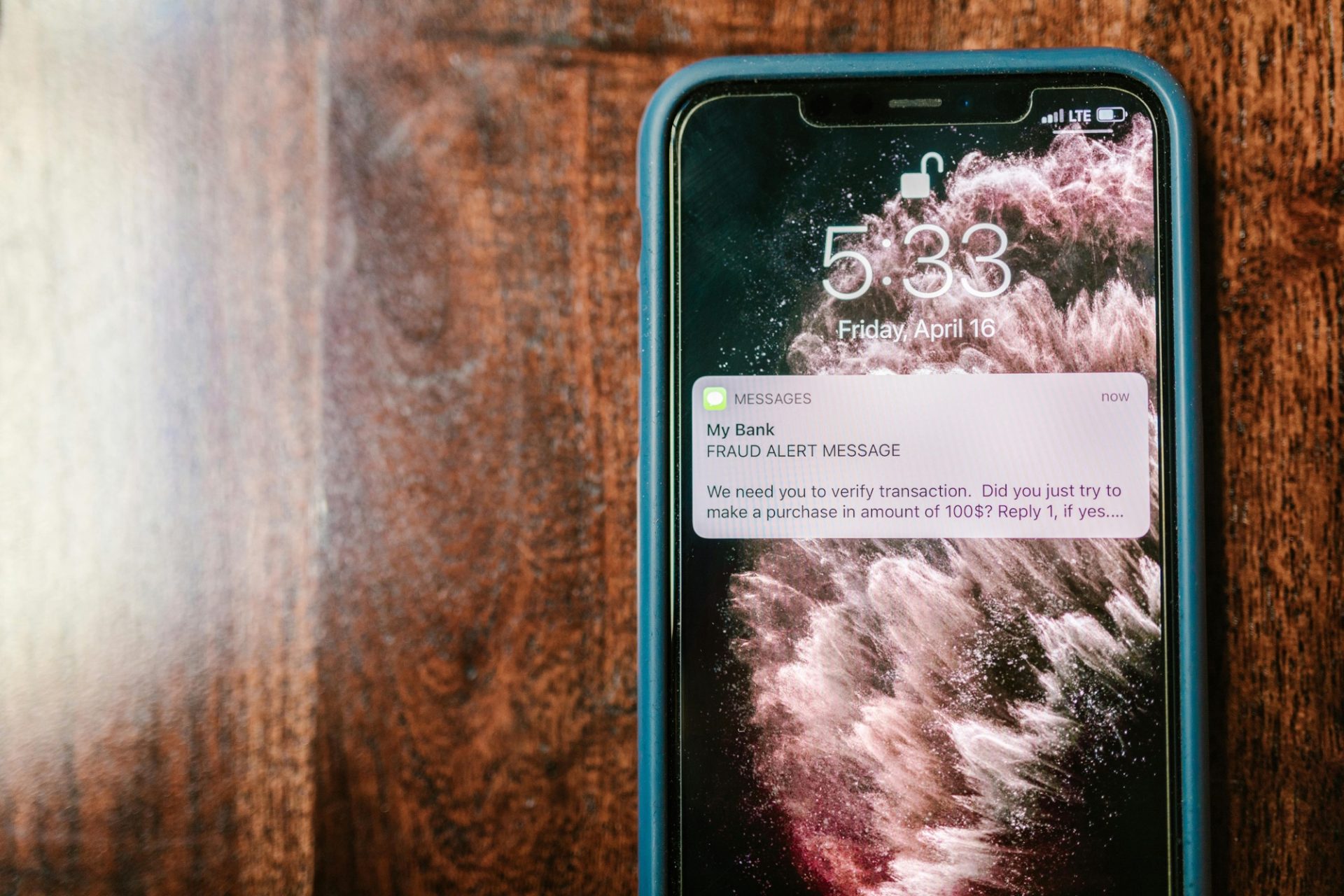
Banks offer tools that many users ignore.
Set alerts for:
• Low balance thresholds
• Large transactions
• Daily balance updates
These alerts turn silent fees into visible warnings. That moment of surprise becomes a moment of control.
Real life scenario:
Kevin turned on balance alerts after paying $90 in overdraft fees in one month. Two weeks later, an alert stopped him from making a purchase that would have overdrafted his account. Relief replaced regret.
ATM Strategy Matters More Than You Expect
Plan your cash withdrawals.
Use:
• Your bank’s ATM locator
• Retail stores that offer cash back without fees
• Banks that reimburse ATM fees
Even withdrawing cash less frequently can reduce exposure to fees.

Hidden Fees Most People Notice Too Late
By now, you probably recognize the obvious fees. The real damage often comes from charges that feel random until you connect the dots.
Paper Statement Fees
Many banks now charge for paper statements. It might be $2 or $3 a month, which feels harmless, until you realize that is $36 a year for something you barely read.
Banks usually default new accounts to paperless statements only if you choose it during signup. If your account is older, it is worth checking your settings right now.
According to Investopedia’s breakdown of common banking charges, paper statement fees are among the most overlooked recurring costs.
Inactivity Fees
Some checking and savings accounts charge inactivity fees if you do not use them for a certain period. This is common with secondary accounts people forget about.
Real life scenario:
Daniel opened a savings account during college and stopped using it after graduating. Two years later, he logged in and discovered the balance had slowly shrunk due to inactivity fees. The feeling was not anger first. It was disbelief.
The fix is simple. Close unused accounts or make a small transaction every few months.
Foreign Transaction Fees Inside the US
This one surprises many people. Some debit cards charge foreign transaction fees even when you shop online from US based accounts if the payment processor is overseas.
The fee is usually around 3 percent. That adds up fast if you subscribe to international services.
Major card networks explain this practice in their fee disclosures, which are often summarized by trusted outlets like Forbes’ explanation of foreign transaction fees.
When “Upgrading” Your Account Is a Bad Idea
Banks love offering account upgrades. Premium checking. Gold status. Preferred banking.
These accounts often come with higher monthly fees and requirements that only make sense if you keep large balances.
Common trap:
A bank representative suggests upgrading because it “unlocks benefits.” What they do not emphasize is the new $25 monthly fee if you miss the balance requirement.
Unless you regularly use perks like free wire transfers or dedicated advisors, premium accounts often cost more than they give back

Negotiating Bank Fees Actually Works
This part feels uncomfortable for many people, but it works more often than you think.
Banks can waive fees, especially if:
• You have been a long time customer
• You rarely overdraft
• The fee was a first time mistake
Call customer service calmly. Be polite. Explain what happened. Ask if the fee can be waived.
Real life scenario:
Ayesha noticed a $35 overdraft fee after a delayed paycheck. She called the bank expecting a refusal. Instead, the representative removed the fee within minutes. Relief replaced stress almost instantly.
The CFPB encourages consumers to dispute unfair or unclear fees, and their advice on handling bank issues is outlined in their official consumer complaint guidance.
Why Timing Your Payments Matters
Many fees happen because of timing, not overspending.
If your rent clears on the 1st and your paycheck arrives on the 2nd, your balance may dip briefly and trigger fees.
Solutions include:
• Asking employers about earlier deposits
• Scheduling payments after deposit dates
• Keeping a small buffer balance
This buffer does not need to be large. Even $100 can act as insurance against timing errors.
Savings Accounts Can Also Cost You Money
People often assume savings accounts are always free. That is not always true.
Watch out for:
• Excess withdrawal fees
• Minimum balance penalties
• Account closure fees
Federal regulations used to limit savings withdrawals, and while rules have evolved, some banks still charge fees when you exceed limits. The Federal Reserve explains savings account structures and limits in its consumer resources at federalreserve.gov.
Why Budgeting Is a Fee Avoidance Tool
Budgeting is not just about saving. It helps you predict balances and avoid accidental triggers.
You do not need complex spreadsheets. A simple weekly check in works.
Ask yourself:
• What payments are coming out this week?
• When is my next deposit?
• What is my lowest expected balance?
This awareness alone prevents many common mistakes.
Debit Cards vs Credit Cards for Daily Spending
Using a debit card directly pulls from your checking account. That increases overdraft risk.
Using a credit card for daily spending can add a buffer, as long as you pay it off in full. This shifts timing risk away from your bank balance.
Bloomberg has discussed how debit card reliance increases fee exposure compared to responsible credit use, which is covered in their personal finance reporting at Bloomberg personal finance insights.
Warning:
This only works if you pay the credit card balance in full every month. Carrying interest costs more than any bank fee you avoid.
Why Newcomers and Young Adults Pay More Fees
Students, immigrants, and first time workers often pay the most fees because they are still learning the system.
Banks know this. Many fees are designed around inexperience.
If you are new to US banking:
• Start with student or basic accounts
• Ask questions without embarrassment
• Review statements monthly
Confusion fades quickly when replaced with routine checks.
The Emotional Cost of Bank Fees
Fees do more than drain money. They create stress.
That moment when you check your balance and feel confused. The regret of realizing a simple alert could have prevented it. The relief when you finally take control.
These emotions matter. Banking should feel boring, not stressful.
Avoiding fees is not about being perfect. It is about designing your habits so mistakes cost less.
Long Term Strategies to Stay Fee Free for Good
By now, you have seen that avoiding bank fees is not about constant vigilance. It is about building a system that quietly protects you, even when life gets busy or messy.
This is where most people finally feel relief. Once the system is set up, banking fades into the background, exactly where it should be.
Build a “Fee Resistant” Banking Setup
Think of your bank accounts like a safety net with layers.
Layer One: The Right Accounts
At minimum, aim for:
• One checking account with no monthly maintenance fee or an easy waiver
• One savings account with no hidden balance penalties
• Optional credit card for daily spending, paid in full monthly
If your current bank makes this hard, that is not your fault. It may simply be the wrong bank for your situation.
When Switching Banks Makes Sense
Switching banks sounds intimidating, but it is often the cleanest solution.
Consider switching if:
• You pay unavoidable monthly fees
• Overdraft fees keep happening despite effort
• ATM access is inconvenient
• Customer support feels unhelpful
Many online banks now handle switching tools that move direct deposits and recurring payments automatically.
For guidance on choosing safer banking options, the Consumer Financial Protection Bureau’s bank account comparison tools are surprisingly useful and easy to understand.
Real life scenario:
Rohan worked two jobs and kept missing minimum balance requirements. After switching to a no fee online bank, the anxiety disappeared. He did nothing differently. The system changed around him.
Create a Monthly “Fee Check” Habit
This takes five minutes and saves hundreds.
Once a month:
• Scan your statement
• Highlight any fee
• Ask why it happened
• Decide how to prevent it next time
Most people skip this step and only notice fees after months of damage.
The habit creates clarity instead of confusion.
Use One Account as a Buffer
If possible, keep a small buffer account or savings pocket.
Even $200 can:
• Absorb timing issues
• Prevent overdrafts
• Reduce stress
This is not about wealth. It is about margin.
Read my previous article about emergency fund.
Be Careful With “Convenience” Features
Many fees hide behind convenience.
Examples:
• Instant transfers
• Same day bill payments
• Expedited checks
These features often cost money. Ask yourself if waiting one extra day is worth saving the fee. Most of the time, it is.
Investopedia regularly warns about convenience fees being normalized in banking, and their consumer finance analysis at Investopedia Personal Finance highlights how often speed comes at a cost.
Understand That Banks Bet on Inattention
This is not meant to scare you. It is meant to empower you.
Banks rely on:
• People not reading notifications
• People forgetting old accounts
• People assuming fees are unavoidable
The moment you pay attention, their advantage shrinks.
Teach These Habits to Family Members
Bank fees often repeat across households.
Parents, siblings, partners, and even teenagers opening first accounts all face the same traps.
A short conversation can save them years of unnecessary charges.
Why Avoiding Bank Fees Is About Respecting Your Own Money
Every dollar you earn represents time, effort, and energy.
When fees quietly take that money without adding value, it creates resentment. Avoiding them restores a sense of control.
This is not about gaming the system. It is about understanding it.
A Simple Checklist You Can Use Today
Before we close, here is a practical checklist you can act on immediately.
• Review your checking account fee schedule
• Confirm how to waive monthly fees
• Turn on low balance alerts
• Disable paid overdraft protection if appropriate
• Locate fee free ATMs
• Close unused accounts
• Consider switching banks if fees persist
Each step reduces friction. Together, they change everything.
Final Thought
Most people think bank fees are a personal failure. They are not.
They are a system design issue that punishes silence and rewards awareness.
Once you learn how to avoid bank fees in the USA, the stress fades. The money stays where it belongs. With you.
Disclaimer
The information provided in this article is for educational and informational purposes only and does not constitute financial, legal, or tax advice. Banking rules, fees, and personal financial situations vary. Always consult with a qualified financial professional, legal advisor, or tax expert before making decisions related to your finances or banking arrangements.