Introduction: Why Saving Feels So Hard in 2026
Have you ever wondered why How to Build an Emergency Fund in 2026 When Prices Keep Rising is so confusing? I felt the same, so I did some research to find the truth.
Because 2026 feels heavy for many families. Grocery prices are higher, rent has gone up, utility bills feel painful, and many people feel scared because they don’t know what tomorrow will bring.
You might feel the same.
Maybe you want to save money…
You try…
But something always happens:
Your car breaks.
You get sick.
Your kid needs something.
An unexpected bill shows up.
And suddenly, whatever money you saved… disappears.
If you feel this, you’re not alone.
Millions of people in the US, Canada, and Europe feel the same fear:
“How can I save for emergencies when everything is expensive?”
This guide will help you slowly, gently, step by step in simple English, without pressure.
Let’s build your emergency fund together.
🥇 Section 1 — What Exactly Is an Emergency Fund (And Why You Need It Now More Than Ever)
Before anything, let’s make it simple.
An emergency fund is money you keep aside ONLY for:
✔ Medical emergencies
✔ Job loss
✔ Car repairs
✔ Unexpected bills
✔ Family needs
✔ Home repairs
Not for shopping.
Not for going out.
Not for buying new things.
It’s like a safety net.
❤️ Why 2026 makes an emergency fund more important
Prices are rising.
Rent is rising.
Gas is rising.
Food is rising.
Healthcare is rising.
One small emergency can destroy your entire month.
Building an emergency fund gives you:
• Less stress
• More confidence
• Better sleep
• More control over your future
• Freedom to make decisions without fear
You don’t need a big income to start.
You don’t need a perfect financial life.
You just need to start with a small, small step.

🥈 Section 2 — How Much You Actually Need in 2026 (Realistic Numbers, Not Fantasy)
Most financial experts tell you:
“Save 3–6 months of living expenses!”
But let’s be honest…
That sounds impossible when you’re already struggling.
So let’s break it into REALISTIC levels.
🔹 Level 1: $500 Emergency Buffer (Beginner Level)
This is your first goal.
Just $500.
It protects you from small emergencies:
• Toe infection
• Car battery
• Broken phone screen
• Sudden bill
• Lost job one week
Once you reach $500, you will feel lighter.
Like you can breathe.
🔹 Level 2: $1,000 Emergency Fund (Stable Level)
This is where most families start feeling safer.
It covers:
• Medical visits
• Car repairs
• One month of bills
• Flight for family emergency
Most people in 2026 aim first for $1,000.
🔹 Level 3: 1 Month of Expenses
Look at your real monthly costs:
Rent + groceries + utilities + transport + phone + etc.
That is your next target.
🔹 Level 4: 3 Months of Expenses (Strong Level)
This is the TRUE protection level.
If you lose your job, get sick, or face a crisis, this gives you time to recover.
You will reach this step slowly — not in 1 month.
Maybe in 6 months.
Maybe in 1 year.
But you WILL reach it.

🥉 Section 3 — Why Saving Feels Impossible During High Prices (Emotional Breakdown)
You might wonder:
“Why can’t I save anything? What’s wrong with me?”
Nothing is wrong with you.
Prices have increased massively since 2020:
• Bread
• Milk
• Rent
• Gas
• Electricity
• Insurance
• Groceries
• Utilities
• Taxes
Your money stayed the same…
But everything around you became more expensive.
That’s why saving money feels like a fight.
Saving in 2026 is not about discipline.
It’s about strategy.
That’s what we build now.

🏆 Section 4 — Step 1: Calculate Your “True Monthly Spending” (Not What You Think)
Almost every person underestimates how much they spend.
Let’s make it easy.
👉 Write down ALL monthly expenses:
• Rent
• Utilities
• Groceries
• Wi-Fi
• Transport
• Insurance
• Subscriptions
• Loans
• Minimum credit card payments
• Kids’ school items
• Medical expenses
• Household items
• Takeaway food
• Clothes
When you list everything, you will understand why saving feels hard.
This step helps you see where money leaks.

🏅 Section 5 — Step 2: Choose Your “Emergency Fund Percentage” (The Stress-Free Method)
Instead of saving a fixed amount, choose a small percentage.
Here is the simple rule:
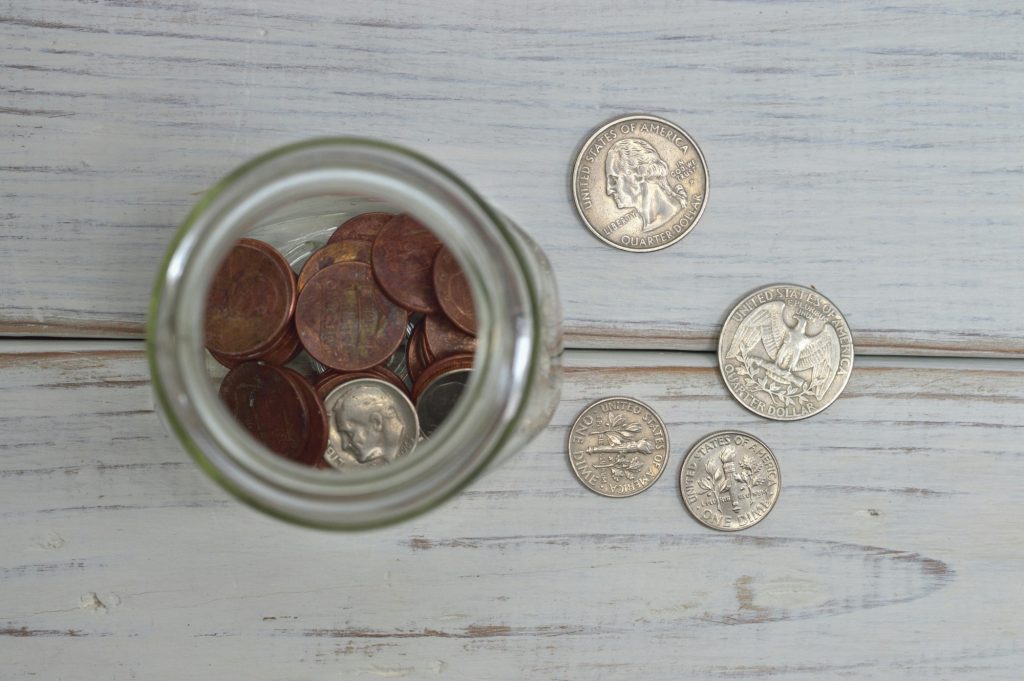
⭐ Save 5% of your income
OR
⭐ Save $1–$3 per day
OR
⭐ Save the first $20 you get each week
Small money saved consistently becomes big money later.
Example:
Income: $2,000
5% = $100 saved per month
In 10 months → $1,000 emergency fund.
Easy.
Stress-free.
No pressure.
🥇 Section 6 — Step 3: Automate Your Savings (Your Secret Weapon)
The biggest reason people fail to save is simple:
They forget.
Or they wait.
Or something else comes up.
Automation fixes everything.
How to automate:
• Your bank transfers $20–$50 to a savings account weekly
• Use auto-transfer apps
• Use round-up savings
• Use automatic paycheck savings
When money leaves automatically, you never feel the loss.
Automation is like magic — it makes you save without thinking.

🥈 Section 7 — Step 4: Cut Only 2 Unnecessary Expenses (Not Your Whole Life)
DO NOT cut everything.
That causes burnout.
Instead, cut only two small things that don’t matter.
Examples:
• Unused subscription
• Daily snacks
• Ordering food too often
• Paid entertainment you don’t use
• Extra mobile data package
• Brand-name groceries (choose store brand)
You don’t need to give up your comfort.
Just remove the waste.
That’s enough to boost your emergency fund quickly.

🥉 Section 8 — Step 5: Build a “Mini Emergency Fund” With Micro-Saving Tricks
These micro-saving techniques help you reach $500 fast.
🔹 Round-up savings
Every purchase rounds up → savings.
🔹 $5 challenge
Every time you get a $5 bill, save it.
🔹 Zero-spend weekend
One weekend per month: no spending except essentials.
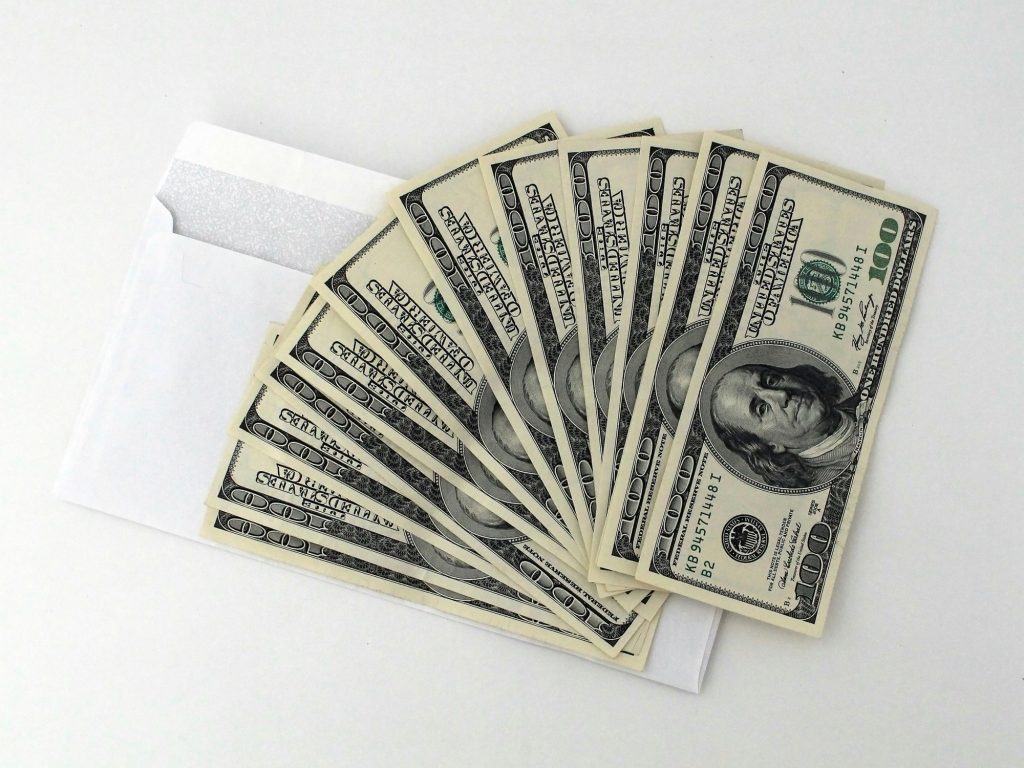
🔹 Cash envelope method
Separate money so you never overspend.
These tricks work because they are simple.
🏆 Section 9 — Step 6: Increase Income Slowly (Even $50 Extra Helps)
Sometimes saving is not enough.
You need to increase your income gently — not by working yourself to death.
Ideas:
• Simple online jobs
• Weekend gig
• Tutoring
• Selling unused items
• Part-time seasonal jobs
• Virtual assistant
• Writing small tasks
• Babysitting
• Grocery delivery
Even $50–$100 more per month can grow your emergency fund fast.

🥇 Section 10 — Step 7: Keep Your Emergency Fund Safe and Separate
Your emergency fund should NOT be in your main bank account.
Keep it in:
✔ High-yield savings
✔ Online bank savings
✔ Money market account
Separate = safe.
When money is separate, you won’t touch it accidentally.
Final words
Saving money in 2026 is HARD.
But you are stronger.
Every dollar you save is a step toward:
• Less fear
• Less stress
• More confidence
• More control
• Better future
• Hope
Your emergency fund will grow slowly…
But it will grow, because you’re not giving up.
Start today.
Start small.
Start softly.
Start with love for yourself.
I’m always here to help you for every article, every keyword, every SEO step ❤️.
Check my other posts for more tips.
How to Build an Emergency Fund Even If You’re Broke 🔗https://financialtipsforbeginners.com/build-an-emergency-fund-even-if-broke/
Pingback: How to Increase Your FICO Score Quickly Finally Get Approved With Confidence - Financial Tips for Beginners
Comments are closed.