If you are thinking about how to retire safe in 2026, you are not worrying without reason. The economy feels unstable. Prices are high. Interest rates move up and down. News headlines change every week. Many people who are close to retirement or already retired. feel nervous about whether their money will really last.
Retirement today is very different from the past. Years ago, people depended on pensions, steady jobs, and predictable markets. In 2026, retirement planning requires flexibility, patience, and smart decisions. This guide will help you understand how to protect your future step by step, in simple words, without pressure or fear.
My parents got retired. and in this article i will guide you as how i guide them. everyone has human right to spend there retired life with happy.
Why Retirement Feels Riskier in 2026

In 2026, many things create uncertainty:
• Inflation reduced the value of savings
• Market swings affect investments
• Healthcare costs keep rising
• People live longer than before
• Government benefits feel uncertain
Because of these changes, retirement planning is no longer about one perfect plan. It is about building safety from many small, smart choices.
What Does “Retire Safe” Really Mean?
To retire safe does not mean being rich.
It means:
• Having enough money for basic needs
• Protecting savings from big losses
• Preparing for medical expenses
• Reducing stress about the future
• Having flexibility when plans change
A safe retirement is more about stability than luxury.
Start With a Clear Retirement Picture

Before making any financial move, pause and ask yourself:
• At what age do I want to retire?
• What kind of lifestyle do I want?
• Where do I want to live?
• What expenses will I have every month?
Clarity reduces fear. When you know what you need, planning becomes easier.
Understand Your Retirement Expenses in 2026
Many people underestimate retirement costs.
Common expenses include:
• Housing
• Food
• Utilities
• Transportation
• Healthcare
• Insurance
• Unexpected emergencies
Healthcare alone can take a large part of retirement income. Planning for this early helps avoid panic later.
Why Inflation Is a Silent Threat to Retirement

Inflation slowly eats purchasing power. Even small price increases matter over time.
Example:
What costs $1,000 today may cost $1,400 in 10 years.
To retire safe in 2026, your money must grow or adjust, not just sit still.
Diversification: Your Safety Shield
Putting all your money in one place is risky.
A balanced retirement plan may include:
• Savings accounts
• Bonds
• Stocks
• Retirement accounts
• Real assets
Diversification helps protect you when one area performs poorly.
Reduce Risk as Retirement Gets Closer
The closer you are to retirement, the more important stability becomes.
This does not mean avoiding growth completely.
It means reducing exposure to large losses.
Gradually adjusting risk helps protect what you’ve built over decades.
Emergency Fund Is Not Optional
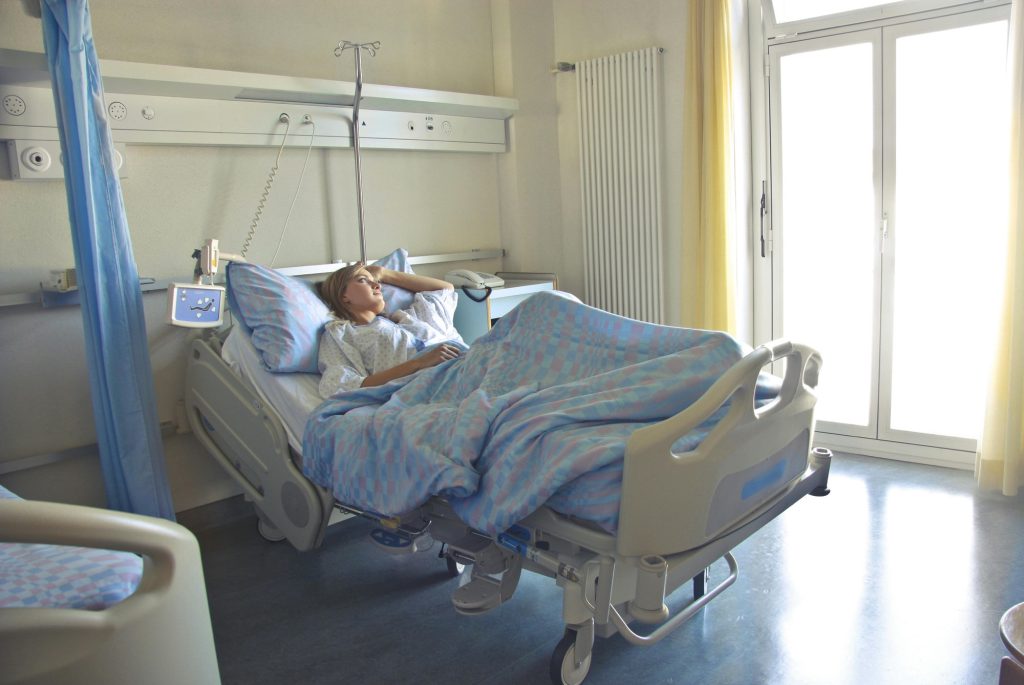
A retirement emergency fund:
• Covers medical surprises
• Prevents selling investments during downturns
• Reduces emotional stress
Keep at least 6–12 months of essential expenses accessible.
Build an emergency fund 🔗https://financialtipsforbeginners.com/build-an-emergency-fund-even-if-broke/
Healthcare Planning Is Retirement Planning
Healthcare is one of the biggest unknowns.
In 2026:
• Insurance premiums may rise
• Out-of-pocket costs increase
• Long-term care becomes expensive
Plan for healthcare early. Ignoring it can destroy even a strong retirement plan.
Debt Can Destroy Retirement Safety
Entering retirement with debt creates pressure.
High-risk debts include:
• Credit cards
• Personal loans
• High-interest mortgages
Reducing debt before retirement increases flexibility and peace of mind.
Social Security and Government Benefits

Do not rely on government benefits alone.
They can help but should be one part, not the whole plan.
Understand:
• Eligibility age
• Expected amount
• Tax rules
Planning around benefits avoids unpleasant surprises.
Create Multiple Income Streams
Relying on one income source is risky.
Retirement income can come from:
• Savings withdrawals
• Pensions
• Investments
• Part-time work
• Rental income
Even small additional income can greatly improve retirement safety.
Flexible Retirement Is Safer Retirement
Retirement does not have to be sudden.
Options include:
• Phased retirement
• Part-time work
• Consulting
• Freelance income
Flexibility protects you if markets or expenses change.
Protect Yourself From Emotional Decisions

Fear leads to bad financial decisions.
Avoid:
• Panic selling
• Chasing fast returns
Slow, planned actions protect long-term security.
Review and Adjust Your Plan Every Year
A retirement plan is not fixed.
• Following headlines
Review:
• Expenses
• Savings
• Health situation
• Market conditions
Small yearly adjustments prevent big problems later.
Estate Planning Is Part of Retiring Safe
Estate planning is not only about wealth.
It includes:
• Will
• Healthcare directives
• Beneficiaries
• Power of attorney
Clear plans reduce stress for you and your family.
Longevity Risk: Living Longer Than Expected
People are living longer.
This is good—but it means your money must last longer too.
Plan for:
• 25–30 years of retirement
• Rising medical costs
• Inflation over decades
Longevity planning is safety planning.
Simple Retirement Checklist for 2026

• Clear retirement goals
• Realistic budget
• Emergency fund
• Reduced debt
• Balanced investments
• Healthcare coverage
• Backup income
Each item adds a layer of protection.
Common Retirement Mistakes to Avoid
• Retiring too early without planning
• Ignoring inflation
• Keeping too much risk
• Depending on one income source
• Avoiding professional advice
Avoiding mistakes is as important as making good choices.
Mental Peace Is a Retirement Asset
Retirement safety is not only financial.
Mental peace comes from:
• Knowing your numbers
• Having backup plans
• Accepting flexibility
Calm decisions protect both money and health.
Final Thoughts
To retire safe in 2026, you don’t need perfection. You need awareness, balance, and patience. A volatile economy does not mean retirement is impossible it means planning matters more than ever.
Focus on what you can control:
• Spending
• Saving
• Risk level
• Flexibility
Step by step, small smart choices build a strong and peaceful retirement. I recommend you think about your retire life from now. Don’t be late.