Introduction: Why Understanding Credit Cards Matters More Than Ever
What is a credit card and how does it work is a question many people are afraid to ask, even though they use credit cards every day. Credit cards feel normal. Almost everyone around us has one. But very few people truly understand how they work behind the scenes.
For many families, a credit card feels like a safety net. When salary is late, when bills are high, or when something unexpected happens, the credit card becomes the solution. But over time, that same solution can quietly turn into stress, debt, and confusion.
This article explains credit cards in simple English, using real-life experiences, not banking language. No complicated terms. No judgment. Just clarity.
1. What Is a Credit Card? (Plain and Simple)
A credit card is borrowed money, not free money.
When you use a credit card, the bank is lending you money to buy something right now, with the promise that you will pay it back later.
Think of it like this:
You walk into a shop with no cash, but the bank says:
“I’ll pay for this now. You can pay me later.”
That’s a credit card.
Real-Life Example
Imagine your salary comes on the 30th, but today is the 20th. Your electricity bill is due. You don’t have enough money. You use a credit card.
You didn’t earn that money.
You borrowed it.
This is where many people get confused. The card feels like money, but it is actually debt.
2. Who Is Actually Paying When You Swipe a Credit Card?
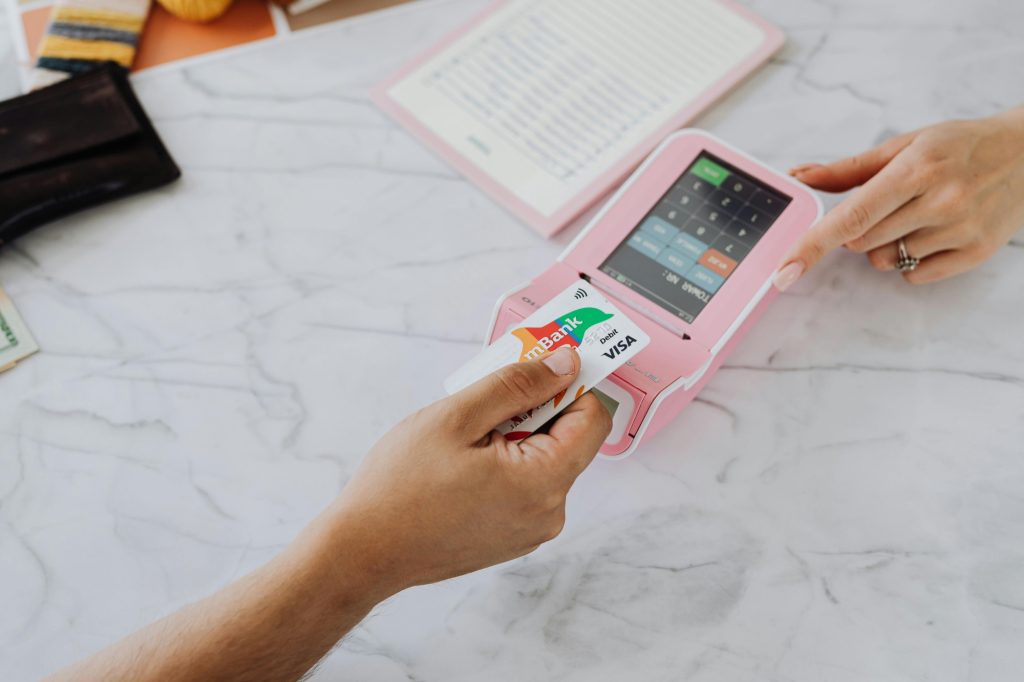
When you swipe a credit card:
• You are not paying
• The shop is not losing money
• The bank pays the shop immediately
The bank then waits for you to pay them back.
This is why banks are happy when people use credit cards. They earn money from:
• Interest
• Fees
• Late payments
The more confused people are, the more banks earn.
3. Credit Card Limit: Why It Feels Bigger Than Your Salary
Every credit card has a credit limit.
This is the maximum amount the bank allows you to borrow.
Example:
• Your monthly salary: $600
• Your credit card limit: $2,000
This feels powerful. Suddenly, you can buy things your income cannot support.
But here’s the truth:
The limit is not what you can afford.
It’s what the bank is willing to risk.
Many people confuse credit limit with spending power. This mistake causes years of debt.

4. How Credit Cards Actually Work Step by Step
Let’s break it down in the simplest way possible.
Step 1: You Swipe the Card
You buy something using the card.
Step 2: Bank Pays the Merchant
The shop gets paid instantly.
Step 3: You Owe the Bank
Now the debt is yours.
Step 4: Billing Cycle Ends
The bank creates a bill (statement).
Step 5: Payment Due Date
You must pay at least the minimum.
If you pay full amount → No interest (usually).
If you pay minimum only → Interest starts growing.
This cycle repeats every month.
5. What Is a Billing Cycle? (Why Timing Matters)
A billing cycle is the time period the bank uses to calculate your bill.
Usually:
• 28–30 days
All purchases during this time go into one statement.
Many people don’t realize this and assume:
“I just used it last week, I’ll pay later.”
But interest does not wait for comfort.

6. Minimum Payment: The Most Dangerous Feature
The minimum payment is the smallest amount you must pay to avoid late fees.
It sounds helpful.
It is not.
When you pay only the minimum:
• Interest keeps growing
• Debt lasts longer
• Stress increases
Real-Life Experience
Many people say:
“I pay every month, but my balance never goes down.”
This happens because minimum payments mostly cover interest, not the original spending.
Banks love minimum payments. People stay trapped longer.
7. Credit Card Interest: Why Debt Grows Quietly
Interest is the cost of borrowing money.
Credit card interest is usually:
• Very high
• Charged daily
• Compounded
This means debt grows even when you are not using the card.
If you don’t understand interest, the card controls you.

8. Why Credit Cards Feel Helpful at First
Credit cards solve short-term problems:
• Late salary
• Emergency expenses
• Family needs
• Unexpected bills
This creates emotional attachment.
But credit cards don’t fix money problems.
They delay them.
9. Why People Don’t Realize They Are Overspending
Credit cards remove the pain of paying.
No cash leaving your hand.
No immediate loss feeling.
This is why people spend more with cards than cash.
It’s psychological, not stupidity.
10. The Hidden Emotional Cost of Credit Cards
Over time, credit cards create:
• Anxiety before statements
• Fear of checking balance
• Shame
• Guilt
Many people don’t talk about this. But it’s real.
Money stress doesn’t come from lack of money alone.
It comes from lack of clarity.
11. How Credit Card Debt Slowly Traps People (Without Them Realizing)
Credit card debt rarely starts with luxury spending.
Most people don’t use credit cards to buy expensive things at first. They use them to survive.
• Groceries when salary is late
• Fuel to go to work
• Medical bills
• School expenses
• Emergency repairs
At first, it feels manageable.
But then something dangerous happens.
The Cycle Begins
You use the card →
You pay minimum →
Interest grows →
Balance stays high →
You use the card again
This is how people get trapped without making one big mistake.
Real-Life Experience
Many middle-income families say the same thing:
“I don’t know when it went wrong. I was always paying.”
That’s the trap. Paying is not the same as reducing debt.

12. Credit Score Explained in Simple English
Your credit score is a number that shows how trustworthy you look to banks.
Banks use it to decide:
• Whether to give you loans
• How much interest to charge
• Whether to approve credit cards
What Affects Your Credit Score
• Paying on time
• How much of your limit you use
• How long you’ve had credit
• Missed payments
• Defaults
Using a credit card is not bad.
Using it carelessly is.
Important Truth
You don’t build a good credit score by spending more.
You build it by paying responsibly.

13. Why Paying Late Is So Expensive
Late payments hurt you in three ways:
1. Late fees
2. Higher interest
3. Credit score damage
One late payment can affect your score for years.
Many people say:
“I was only late once.”
But banks remember.
14. Good Uses of a Credit Card (Yes, They Exist)
Credit cards are not evil. They are tools.
Used correctly, they can help.
Smart Uses
• Emergency expenses (with a clear payoff plan)
• Short-term cash flow gaps
• Online purchases with fraud protection
• Building credit history
The key rule is simple:
If you don’t know how you’ll pay it back, don’t swipe.

15. Bad Uses of a Credit Card (Very Common)
These uses quietly destroy finances:
• Daily lifestyle spending
• Eating out frequently
• Shopping to feel better
• Paying old debt with new debt
• Ignoring statements
Credit cards amplify habits.
Bad habits become disasters.
16. Why Credit Cards Feel Like Free Money
Credit cards separate spending from pain.
With cash:
• You feel loss immediately
With cards:
• Pain comes later
This delay tricks the brain.
That’s why people overspend even when they know better.
17. Why Banks Want You to Carry a Balance
Banks don’t make money when you pay in full.
They make money when:
• You carry balances
• You pay interest
• You struggle but don’t default
The system is designed for long-term repayment, not quick freedom.
Understanding this changes how you use credit
18. How One Card Turns Into Multiple Cards
Many people start with one card.
Then:
• Offers come
• Limits increase
• New cards appear
Each card feels manageable alone.
Together, they become overwhelming.
This is how people lose control.
19. Simple Rules to Stay Safe With Credit Cards
These rules are boring and powerful.
Rule 1: Never Pay Only the Minimum
Always pay more than the minimum.
Rule 2: Use Less Than 30% of Your Limit
High usage hurts your credit score.
Rule 3: One Card Is Enough for Most People
More cards = more confusion.
Rule 4: Check Statements Monthly
Ignoring statements is expensive.
Rule 5: If You Feel Stress, Stop Using It
Stress is a warning signal.
20. How to Start Reducing Credit Card Debt
If you already have debt, don’t panic.
Start with clarity.
• Write down balances
• Write down interest rates
• Stop new spending
• Pay highest interest first
Small steps beat big promises.

21. Why Credit Cards Are Emotional, Not Just Financial
Credit cards are tied to:
• Pride
• Survival
• Family responsibility
• Fear
• Shame
This is why advice alone doesn’t work.
Change happens when understanding replaces fear.
22. Should Beginners Use Credit Cards?
Yes — carefully.
If you are a beginner:
• Start with one card
• Small limit
• Pay in full
• Track spending
Credit cards are not shortcuts to wealth.
They are mirrors of habits.
23. What Most People Wish They Knew Earlier
People often say:
“I wish someone explained this simply.”
Not after debt.
Not after stress.
Before.
That’s the purpose of this article.
Final Thoughts: Credit Cards Are Tools, Not Solutions
So, what is a credit card and how does it work?
A credit card is borrowed money with rules.
Follow the rules, and it helps.
Ignore them, and it controls you.
Credit cards don’t fix money problems.
They expose them.
Understanding gives you power.
Clarity gives you peace.
You don’t need to fear credit cards.
You need to respect them.
My previous articles about credit and debt https://financialtipsforbeginners.com/category/debt-credit/