Introduction
If you are trying to plan monthly expenses when income is unstable, you are not alone. Many people today do not receive the same salary every month. Freelancers, self-employed workers, commission-based employees, small business owners, and even contract workers face this problem.
Some months feel comfortable. Other months feel scary. Bills do not wait, rent does not change, and groceries keep getting more expensive. This uncertainty creates stress, anxiety, and fear about the future.
I have lived through this situation myself. There were months when I earned enough and felt hopeful, and other months when I counted coins and delayed payments. Planning money felt impossible until I learned a different way to think about budgeting.
This guide explains how to plan your monthly expenses when income is unstable, using simple steps, real-life experiences, and practical methods that actually work, including essential insights on How to Plan Your Monthly Expenses When Income Is Unstable.
1. Accept That Your Income Is Unstable (This Changes Everything)
The first mistake many people make is pretending their income is stable.
When income changes every month, using a traditional fixed budget does not work. Instead of forcing your money to behave like a regular salary, you must build a flexible system.
Once I accepted that my income would go up and down, I stopped feeling like a failure every time I couldn’t stick to a strict budget. That mindset shift reduced half of my financial stress.
2. Calculate Your Bare Minimum Monthly Expenses
Before planning anything else, you must know your survival number.
This includes:
• Rent or housing cost
• Basic food
• Electricity, water, internet
• Transportation
• Phone bill
• Minimum debt payments
These are non-negotiable expenses.
When I first calculated this number, I was shocked. It was lower than I imagined. I realized I didn’t need a high income to survive—just a stable plan.

3. Use the “Lowest Month” Rule for Budgeting
Instead of budgeting using your best month, budget using your lowest-income month.
Look at your last 6–12 months and find the lowest income you earned. That number becomes your base income for planning expenses.
This method saved me during bad months. When income was higher, I didn’t panic I prepared.
4. Separate Fixed, Flexible, and Optional Expenses
To plan monthly expenses when income is unstable, divide spending into three groups:
Fixed Expenses
• Rent
• Insurance
• Loan payments
Flexible Expenses
• Groceries
• Fuel
• Electricity
Optional Expenses
• Eating out
• Entertainment
• Subscriptions
During low-income months, optional expenses disappear. During good months, they return carefully.
This system gave me control instead of guilt.
5. Build a “Income Smoothing” Buffer
This step changed my life.
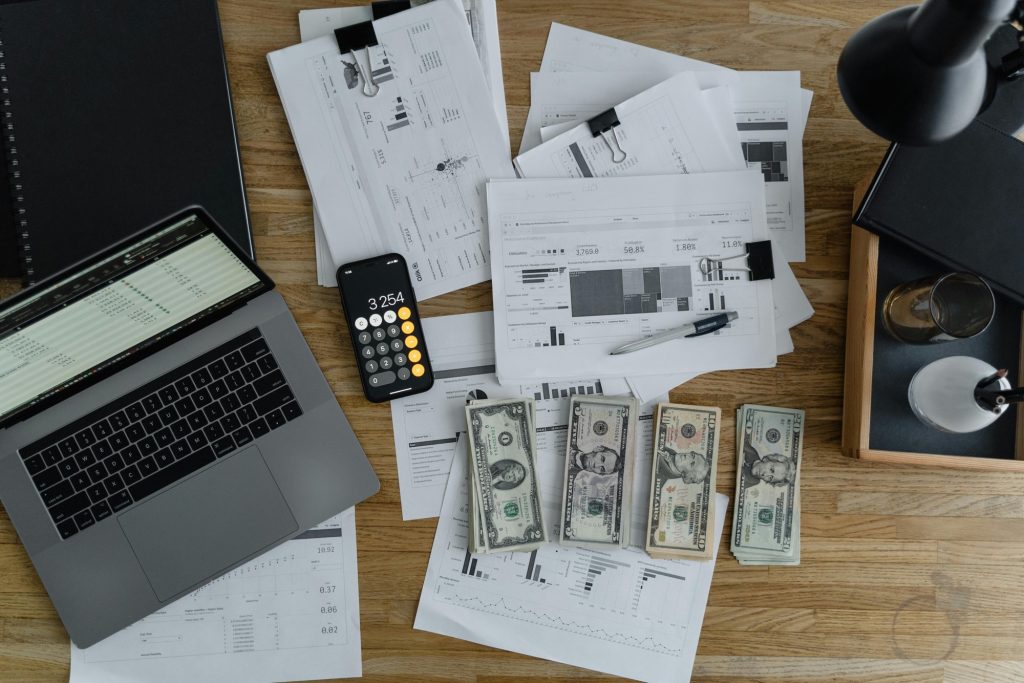
Whenever I earned more than my basic needs, I saved the extra money in a buffer fund. This money was not for emergencies—it was for low-income months.
After a few months, I stopped fearing slow periods. My buffer protected me.

6. Pay Yourself a Monthly “Salary”
Even if you are self-employed or freelance, pay yourself a fixed amount each month.
Some months your business earns more, some less but your personal spending stays stable.
This method made my finances predictable again, even when income was not.
7. Prioritize Bills by Consequences
When income is unstable, not all bills are equal.
Ask:
• What happens if I miss this payment?
• Can this be delayed?
• Will this affect my home or health?
This thinking helped me avoid serious damage during hard months.
8. Plan Weekly Instead of Monthly
Monthly planning feels overwhelming when income is unstable. Weekly planning feels manageable.
Each week:
• Check income received
• Adjust spending
• Decide priorities
Small adjustments prevent big disasters.

9. Reduce Fixed Costs First
When income is unstable, fixed expenses are dangerous.
I reduced:
• Subscriptions
• Phone plans
• Insurance add-ons
Lower fixed costs gave me breathing space during bad months.
10. Stop Using Credit to “Smooth” Income
Credit cards feel helpful, but they delay pain and increase stress.
I learned to treat credit as a last option—not a planning tool. This habit protected my future income.
11. Build an Emergency Fund Slowly
Even with unstable income, save something no matter how small.
Emergency savings turn panic into inconvenience.
12. Track Cash Flow, Not Just Expenses
Income timing matters as much as income amount.
I started tracking:
• When money comes in
• When bills go out
This stopped surprise shortages.
13. Learn to Live Below Your Average Income
This rule is powerful.
When your lifestyle costs less than your average income, instability becomes manageable.
14. Talk Openly With Family
Unstable income affects everyone in the household.
When I communicated openly, pressure reduced and cooperation increased.
15. Redefine Financial Success
Success is not earning more it is handling uncertainty calmly.
Once I learned how to plan monthly expenses with unstable income, my stress reduced even before my income increased.
Final Thoughts
Planning monthly expenses when income is unstable is not about perfection. It is about flexibility, honesty, and preparation.
You are not bad with money because your income changes. You just need a different system.
Start small. Build buffers. Protect essentials.
Stability comes from habits not from a fixed salary.