Introduction
Small financial decisions that cost you thousands rarely feel dangerous at the moment you make them. That is why they are so powerful and so harmful. They happen quietly, daily, and often without stress. You don’t feel poor when you make them. You don’t feel reckless. You feel normal.
That is the problem.
Most people do not lose money because of one big mistake. They lose money because of many small decisions repeated over years. A little here. A little there. Until one day, they look back and wonder why saving feels impossible even after years of hard work.
This article explains the small financial decisions that cost you thousands over time. These are not dramatic mistakes. These are normal habits. Real-life choices. Things almost everyone does.
1. Ignoring Small Daily Expenses
One of the biggest silent money killers is ignoring small daily spending.
Coffee on the way to work
Snacks after lunch
Delivery fees
Ride apps instead of walking
“Only five dollars” purchases
Each one feels harmless. You barely notice the money leaving your account. But these expenses repeat every day.
Five dollars per day becomes:
• $150 per month
• $1,800 per year
• $18,000 in ten years
Most people never calculate this. They only see the single purchase, not the pattern.
The decision is not buying coffee.
The decision is buying it without awareness.

2. Paying Only the Minimum on Credit Cards
Paying the minimum amount feels responsible. The bill is paid. No late fee. No stress.
But this small decision is one of the most expensive habits people develop.
When you pay only the minimum:
• Interest grows every month
• Debt lasts for years
• Total repayment doubles or triples
A $3,000 balance can turn into $6,000 or more over time.
The danger is not the card itself.
The danger is telling yourself, “I’ll deal with it later.”
Later becomes years.

3. Lifestyle Inflation After a Small Raise
You work hard. You get a raise. You feel relief.
Then slowly:
• Better phone
• More subscriptions
• Eating out more
• Higher rent
• Better car
The raise disappears.
This is called lifestyle inflation. It happens quietly. No big purchase feels wrong. But your expenses grow at the same speed as your income.
The small decision is not enjoying life.
The small decision is upgrading everything at once.
People who avoid this habit build wealth faster than those who earn more.

4. Not Having an Emergency Fund
Without emergency savings, every surprise becomes debt.
Car repair
Medical expense
Family emergency
Job delay
When you have no savings, you borrow. Credit cards. Loans. Advances.
The small decision is telling yourself, “I’ll save later.”
Later usually comes after debt.
Even a small emergency fund protects you from big financial damage.
5. Subscription Blindness
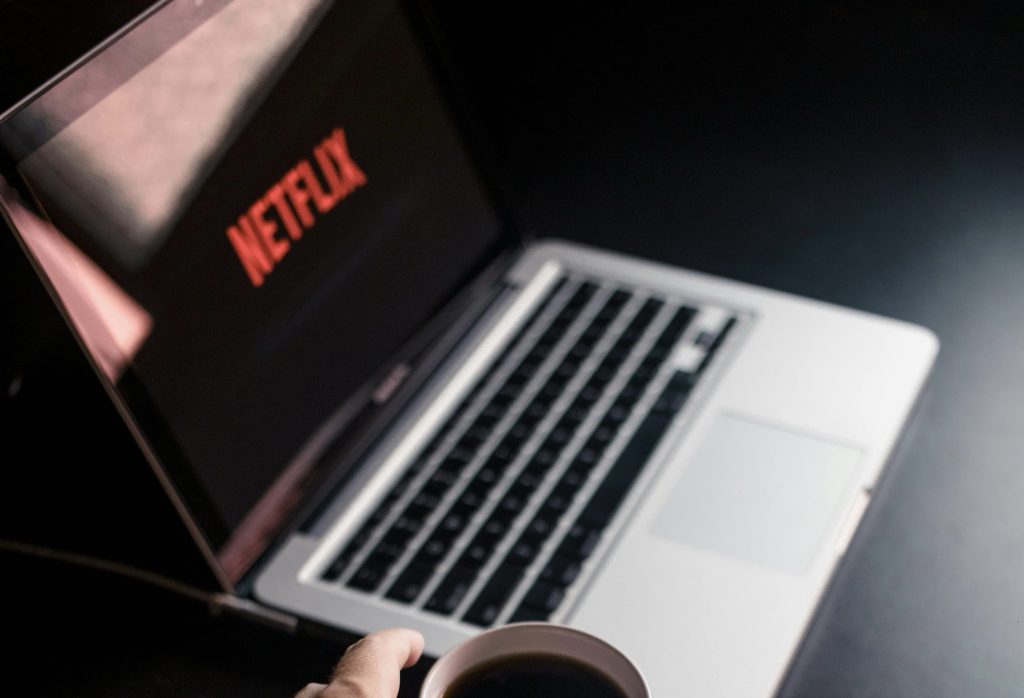
Streaming services
Music apps
Cloud storage
Fitness apps
Premium features
Each one is cheap alone. Together, they quietly drain your income.
Most people do not cancel because:
• “It’s not much”
• “I might need it later”
• “It’s automatic anyway”
Automatic payments remove pain, so spending continues.
This small decision can cost thousands over years.
6. Buying Cheap Instead of Buying Smart
Cheap items feel like savings. Often they are not.
Cheap shoes wear out fast
Cheap electronics break early
Cheap furniture needs replacing
You buy again. And again.
The small decision is choosing price over value every time.
Smart spending looks at:
• Durability
• Warranty
• Long-term use
Cheap can be expensive when repeated.

7. Delaying Investing Because “It’s Too Small”
Many people wait to invest because:
• “I don’t earn enough”
• “I’ll start when I’m stable”
• “It’s not worth it yet”
Time is more powerful than amount.
Starting small early beats starting big late.
Waiting ten years can cost tens of thousands in lost growth.
The small decision is waiting.
8. Emotional Spending After Stressful Days
Bad day at work
Argument at home
Feeling lonely
Feeling tired
Spending becomes comfort.
Food
Clothes
Gadgets
Online shopping
This spending does not fix the emotion. It creates guilt later.
The small decision is using money to regulate emotions.
Learning emotional awareness saves more money than strict budgeting.

9. Not Tracking Money at All
Many people avoid tracking because:
• It feels boring
• It feels stressful
• They are afraid of the truth
But without tracking, money disappears silently.
Tracking is not about control.
It is about awareness.
Awareness changes behavior naturally.

10. Thinking Small Decisions Don’t Matter
This is the biggest mistake of all.
People think:
• “It’s only today”
• “It’s just one time”
• “It’s a small amount”
But money remembers everything.
Small decisions repeated become financial reality.
Wealth is built slowly.
So is financial stress.

11. Saying “Yes” to Social Spending You Can’t Afford
One small financial decision that costs people thousands is saying yes when they should say no.
Birthday dinners
Office collections
Weekend trips
Weddings
Friends’ outings
You don’t want to look cheap. You don’t want to explain your situation. So you say yes—even when your budget says no.
Once or twice is fine. But when this becomes a habit, your money starts serving social pressure instead of your future.
The painful truth is this:
People forget what you spent, but you live with the debt.
Learning to politely say no is not selfish. It is financially mature.

12. Using “Buy Now, Pay Later” Without a Plan
Buy Now, Pay Later feels harmless.
No interest
Small payments
Instant approval
But many people forget one thing:
Future money is still your money.
Multiple BNPL plans stack silently. Each one feels small, but together they choke your monthly cash flow.
The danger is not the system.
The danger is using it without tracking and limits.
This small decision often creates hidden monthly stress that lasts much longer than the joy of the purchase.

13. Not Negotiating Bills and Fixed Costs
Many people accept bills as permanent and untouchable.
Internet
Phone plans
Insurance
Rent renewals
They never ask. They never compare. They never negotiate.
One phone call or email per year can save hundreds. Over ten years, that becomes thousands.
The small decision is staying silent.
Companies expect negotiation. Silence costs you money.

14. Keeping Too Much Money Idle
Some people avoid risk so much that they keep all money idle.
No interest
No growth
Losing value to inflation
While being careful feels safe, money that doesn’t grow slowly loses power.
The small decision is fear-based inaction.
Balanced growth protects purchasing power and future stability.
15. Not Reading the Fine Print
Many financial losses come from what people don’t read.
Loan terms
Interest rate changes
Fees
Penalties
People rush. They trust. They assume.
Later, they are shocked.
The small decision is skipping details to save time.
The cost can be years of regret.
16. Mixing Short-Term Pleasure With Long-Term Goals
People often use future money for present comfort.
Vacation now, save later
Upgrade now, invest later
Enjoy now, worry later
Later always arrives.
The small decision is choosing comfort over clarity.
Balanced enjoyment does not destroy goals. Unplanned enjoyment does.
17. Avoiding Money Conversations
Many people avoid money talks with:
• Partners
• Family
• Employers
Silence creates assumptions. Assumptions create mistakes.
Talking about money feels uncomfortable, but avoiding it costs far more.
The small decision is silence.
The cost is confusion, conflict, and lost opportunity.

18. Thinking You’re “Bad With Money”
This belief alone costs thousands.
When people label themselves as bad with money, they stop trying. They stop learning. They stop improving.
Money skills are learned, not born.
The small decision is accepting a limiting belief.
Changing the story changes the outcome.
19. Not Reviewing Financial Progress Regularly
Life changes. Income changes. Expenses change.
But many people never review:
• Budgets
• Debts
• Goals
• Savings
They stay on autopilot.
The small decision is not checking in.
Even small reviews prevent big mistakes.
20. Believing Big Changes Are Required
Many people think financial improvement requires:
• High income
• Complex strategies
• Perfect discipline
So they do nothing.
The truth is simple:
Small consistent changes beat big plans that never start.
The biggest financial loss is waiting for the “perfect time.”

Final Thoughts
Small financial decisions that cost you thousands are rarely dramatic. They hide in routine, emotion, and silence.
You don’t need to fix everything.
You only need to notice what repeats.
Awareness creates control.
Control creates peace.