Introduction
The pros and cons of using a credit card are rarely explained in a simple and honest way. Most people are told that credit cards are either very good or very bad. The truth is different. A credit card is just a tool. How it affects your life depends on how you use it, why you use it, and what habits you build around it.
In my own life, using a credit card helped me during emergencies, but it also caused stress when I did not understand interest, limits, and repayment properly. This article explains both sides using real experiences, simple language, and practical lessons anyone can understand.
What a Credit Card Really Is (Simple Explanation)
A credit card lets you borrow money from a bank or company to pay for things now and repay later. If you repay on time, it can help your financial life. If you don’t, it can quietly damage it.
The danger is that a credit card does not feel like real money. There is no cash leaving your hand. That small feeling changes how people spend.

The Pros of Using a Credit Card (With Real Life Examples)
1. Emergency Support When Cash Is Not Available
One of the biggest benefits I experienced was using a credit card during emergencies.
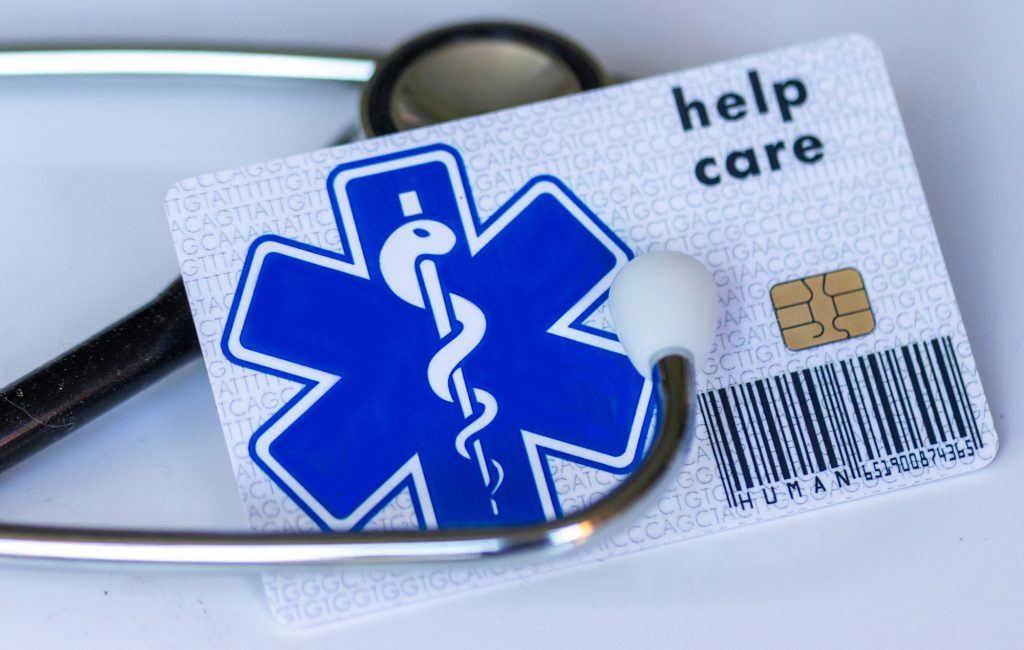
Once, I had an unexpected medical expense just days before my salary arrived. Without a credit card, I would have needed to borrow from someone or delay treatment. The credit card gave me time.
This is one of the strongest pros of using a credit card:
it gives short-term financial breathing space.
Important lesson:
A credit card should support emergencies, not replace savings.
2. Builds Credit History When Used Correctly
Another advantage I experienced was building a credit record.
When I paid my card bill on time every month, my credit score slowly improved. This helped later when applying for services that required financial trust.
Credit cards reward consistency, not income size.
Real life truth:
Even small payments made on time matter more than big payments made late.
3. Convenience and Safety Compared to Cash
Carrying large amounts of cash always felt risky to me. A credit card reduced that risk.
If cash is lost, it’s gone.
If a credit card is lost, it can be blocked.
This safety factor is a real advantage, especially when traveling or making online payments.
4. Rewards, Cashback, and Small Benefits
Some credit cards offer cashback or reward points. In my experience, these benefits are real but often misunderstood.
Rewards only help if you were already planning to spend that money. Spending more just to earn rewards is a trap.
Good habit:
Treat rewards as a bonus, not a goal.
The Cons of Using a Credit Card (The Side No One Warns You About)
5. Spending Becomes Easier Than You Realize
This is where my problems started.
Swiping a card feels painless. You don’t feel the loss immediately. Over time, small purchases stack up quietly.
I often looked at my statement and asked,
“Where did my money go?”
The answer was simple:
small spending + no awareness.

6. Interest Turns Small Debt Into Big Stress
Interest is the most dangerous part of a credit card.
I once carried a balance thinking, “I’ll pay it next month.”
Next month came, and the balance was higher.
Interest works silently. You don’t feel it daily, but it grows.
Hard lesson learned:
Minimum payment is not your friend.
7. Credit Cards Can Create a False Lifestyle
This was one of the biggest mistakes in my life.
Using a credit card made my lifestyle look better than my income. Eating out, buying gifts, and handling expenses felt easy until repayment day arrived.
Credit cards don’t increase income.
They delay consequences.

8. Emotional Stress and Anxiety
Debt is not only financial. It’s emotional.
When my balance increased, I felt guilt, stress, and fear. I avoided checking statements. I delayed decisions.
This emotional weight is one of the hidden cons of using a credit card poorly.

9. Minimum Payment Trap
Minimum payments feel safe but keep you stuck.
Paying only the minimum means:
• Longer repayment
• More interest
• More stress
I stayed in this trap longer than I want to admit.
Key Truth From My Experience
The pros and cons of using a credit card are not equal for everyone.
They depend on:
• Self-control
• Income stability
• Financial awareness
A credit card does not fix money problems.
It only magnifies habits you already have.
How to Use a Credit Card Without Letting It Ruin Your Life
10. The Rule That Changed Everything for Me: “Spend Only What You Already Have”
This single rule saved me.
I now treat my credit card like a delayed debit card.
Before I swipe, I ask myself one question:
“If this bill came today, could I pay it in full?”
If the answer is no, I don’t use the card.
Earlier, I used my credit card hoping future income would fix today’s spending. That thinking caused stress, interest, and regret.
11. Always Pay the Full Balance (Not the Minimum)
This is not advice from a book. This is from pain.
When I paid only the minimum:
• The balance stayed
• Interest grew
• Motivation dropped
When I started paying the full amount every month, everything changed:
• No interest
• No fear opening statements
• No long-term debt
Hard truth:
If you can’t pay the full balance, you’re spending too much.
12. Set a Personal Spending Limit (Lower Than the Bank’s Limit)
Banks offer high limits for one reason: profit.
My mistake was thinking:
“If the bank gave me this limit, I can use it.”
Now I set my own limit, much lower than the card limit.
Example:
• Card limit: $3,000
• My limit: $800
This simple mental rule stopped lifestyle inflation.

13. Use Credit Cards for Needs, Not Ego
I used to swipe my card to:
• Look successful
• Avoid embarrassment
• Keep up with others
Those purchases brought short happiness and long regret.
Now I use my credit card mainly for:
• Groceries
• Fuel
• Bills
• Emergencies
Real lesson:
A credit card should support your life, not impress others.
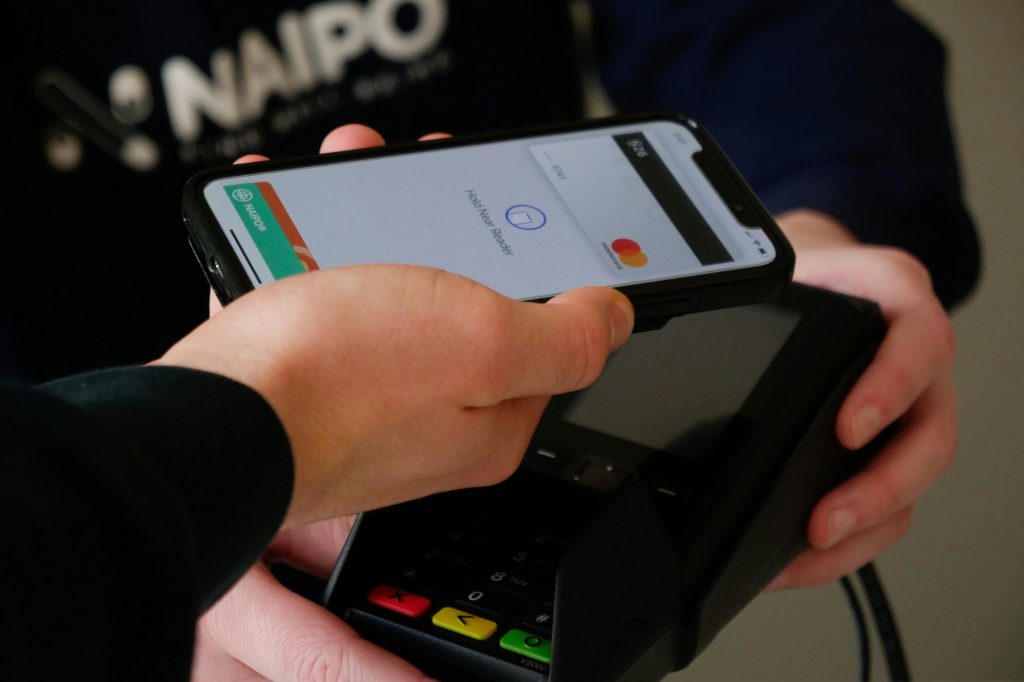
14. Track Every Credit Card Purchase (Even Small Ones)
Small amounts hurt the most because they hide.
Coffee. Snacks. Delivery fees.
They feel harmless but quietly pile up.
I now check my card app every 2–3 days.
This habit alone reduced my spending without forcing discipline.
Awareness creates control.
15. When a Credit Card Is Actually a Bad Idea
A credit card is NOT good if:
• Your income is unstable
• You already carry debt
• You feel anxious checking balances
• You use it to escape reality
In these cases, cash or debit cards create healthier boundaries.
There is no shame in avoiding credit cards.
Financial peace is more important than credit scores.
16. The Emotional Side of Credit Cards (Nobody Talks About This)
Debt changes behavior.
I noticed:
• Less sleep
• Short temper
• Avoiding bank messages
• Feeling trapped
Once I cleared my balance, the mental relief was immediate.
Real wealth is peace, not points, rewards, or status.

17. Credit Cards Don’t Create Discipline — They Expose It
This is the deepest lesson I learned.
A credit card doesn’t teach money skills.
It reveals them.
If you already:
• Budget
• Track spending
• Plan ahead
A credit card helps.
If you don’t:
• It magnifies mistakes
• It punishes emotions
• It delays consequences
Final words
The pros and cons of using a credit card are not about the card itself.
They are about you.
From my life:
• A credit card helped me survive emergencies
• A credit card also created silent stress
• Discipline turned it into a tool
• Ignorance turned it into a trap
If you use a credit card:
• Pay in full
• Track spending
• Set personal limits
• Stay emotionally honest
If you don’t:
• That’s okay
• Financial peace matters more than plastic
A credit card should serve your life, not control it.