The top credit card mistakes beginners make usually don’t start with carelessness or bad habits. They start with excitement.
You get approved.
You receive the card.
You feel independent.
At that moment, a credit card feels like freedom. But without guidance, that freedom can quietly turn into pressure, stress, and regret.
Most beginners don’t fail because they are irresponsible.
They fail because no one explains what not to do.
Why Credit Cards Feel Easy at First
Credit cards are designed to remove pain from spending.
You don’t see cash leaving your hands.
You don’t feel the loss immediately.
You only see numbers later on a statement.
That delay creates confusion.
Real-Life Story: The “It Didn’t Feel Like Spending” Problem
A young office worker used her first credit card for coffee, clothes, rides, and small online orders. Nothing felt big. Three months later, her balance was higher than her salary.
She didn’t understand how it happened because every swipe felt harmless.
That’s where beginner mistakes begin.

Mistake 1: Treating a Credit Card Like Extra Income
This is the most common mistake beginners make.
A credit card is not extra money.
It is borrowed money.
But beginners often think:
• “I’ll pay it next month”
• “I’ll earn more soon”
• “It’s a small amount anyway”
Small amounts add up fast.
Why this mistake feels normal
• Credit limits feel like permission
• Friends normalize credit spending
• Bills come later, not now
What really happens
• Spending awareness disappears
• Balances grow silently
• Stress appears suddenly
Credit cards don’t punish you immediately they wait.
Mistake 2: Paying Only the Minimum Amount Due
Every credit card statement highlights one comforting number:
Minimum Due
Beginners often choose it because it feels safe.
Why minimum payments feel attractive
• Low immediate pressure
• Avoids late fees
• Feels “responsible”
But minimum payments keep you trapped.
Real-Life Story: The Balance That Never Shrinks
A beginner paid the minimum every month for a year. He thought he was doing fine. When he finally checked closely, the balance had barely reduced.
Interest quietly ate his money.
Minimum payments don’t solve debt they stretch it.
Mistake 3: Missing a Due Date “Just Once”
Many beginners believe:
“One day late won’t matter.”
Credit card systems don’t think emotionally.
What actually happens
• Late fees apply instantly
• Interest rates may increase
• Credit score damage begins
One missed payment can follow you for years.
Real-Life Story: One Missed Date, Big Consequence
A freelancer missed a payment while traveling. He paid two days late. His next statement included a penalty and a higher interest rate.
One small mistake became a long-term problem.

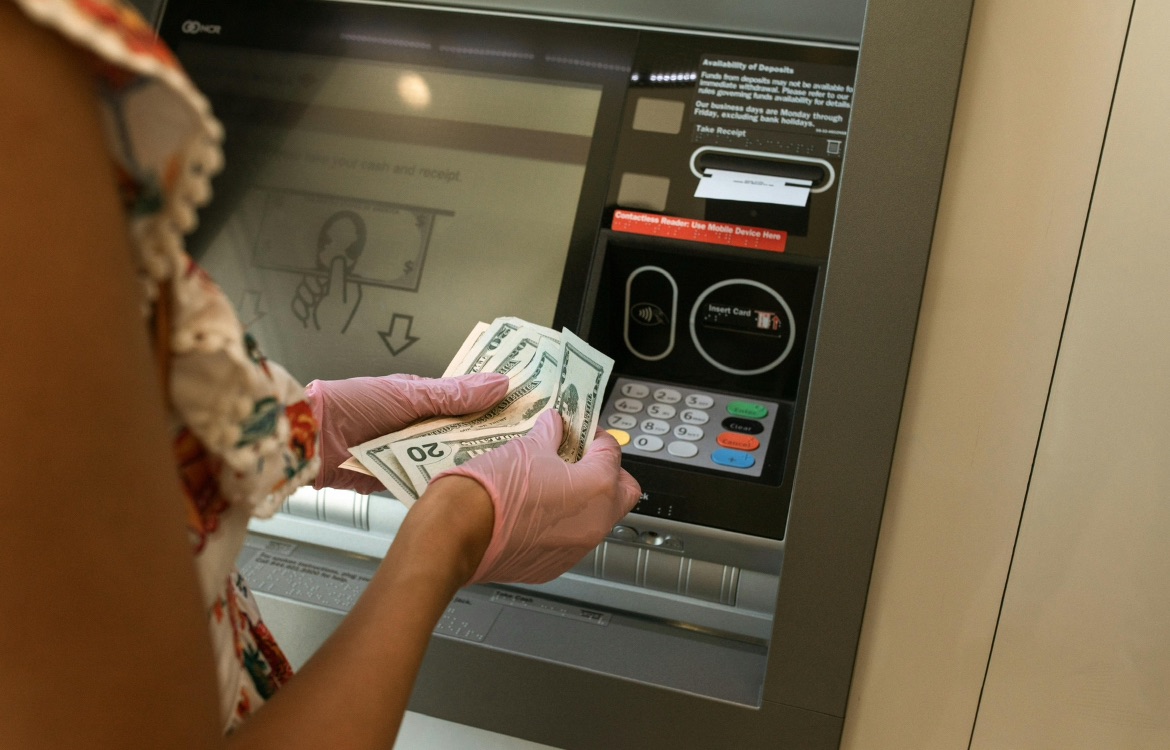
Mistake 4: Using Credit Cards for Cash Withdrawals
Cash advances feel like a quick fix.
But they are one of the most expensive ways to use a credit card.
Why cash advances are dangerous
• Interest starts immediately
• Higher interest rates apply
• Extra fees are added
There is no grace period.
Beginners use this option during emergencies, not realizing how fast debt grows.
Mistake 5: Ignoring Fees and Small Charges
Beginners focus on rewards and offers.
They ignore:
• Annual fees
• Late fees
• Foreign transaction fees
• Over-limit charges
Each fee feels small. Together, they drain money quietly.
Many people only notice fees when they finally calculate how much disappeared without any benefit.
Mistake 6: Applying for Too Many Cards Too Quickly
Some beginners believe more cards mean more freedom.
In reality:
• Tracking payments becomes harder
• Spending temptation increases
• Credit score may suffer
Too many cards too early create confusion, not control.
Mistake 7: Not Understanding Interest at All
Many beginners hear the word “interest” but don’t truly understand it.
They think:
• “It’s small”
• “It won’t matter much”
• “It only applies if I mess up”
Interest applies the moment balances roll over.
And it compounds quietly.
This misunderstanding alone keeps many beginners in debt for years.
The Emotional Cost of Beginner Credit Card Mistakes
The damage isn’t only financial.
It shows up as:
• Anxiety before opening statements
• Fear of notifications
• Regret over past decisions
• Shame about money habits
None of this means you failed.
It means you were never taught properly.

Why Beginners Deserve Better Credit Education
Most people learn credit the hard way.
Through:
• Penalties
• Stress
• Arguments
• Sleepless nights
But mistakes don’t define you.
Understanding them early gives you power.
How Beginners Can Fix These Credit Card Mistakes
The good news is this:
Every credit card mistake is fixable if you change habits early.
You don’t need to cancel your card.
You don’t need to panic.
You just need a system.
Let’s talk about what actually works in real life.
Step 1: Treat Your Credit Card Like a Debit Card (With Rules)
One of the smartest mindset shifts beginners can make is this:
“If I don’t have the money in my bank account right now, I don’t use the credit card.”
This single rule protects you from:
• Overspending
• Interest charges
• Payment anxiety
Real-life example
A one of my friend decided to only use her credit card for groceries and fuel expenses she already paid in cash. She paid the full balance every month. Within a year, her credit score improved, and she never paid interest.
The card worked for her, not against her.

Step 2: Always Pay the Full Balance (Not the Minimum)
Minimum payments keep banks happy not you.
If you want a credit card to be a tool instead of a trap:
• Pay the full statement balance
• Set reminders or auto-pay
• Never rely on memory
Why this matters
Paying in full means:
• Zero interest
• No debt stress
• Faster credit score growth
Once beginners experience a few months without interest, they never want to go back.
Step 3: Choose Fewer Cards, Not More
More cards do not mean more control.
For beginners:
• One card is enough
• Two cards is the maximum
• More than that creates confusion
Each card adds:
• Another due date
• Another statement
• Another chance to miss a payment
Simplicity always wins.
Step 4: Understand Your Interest Rate (Even If You Don’t Use It)
Many beginners ignore interest rates because they plan to pay in full.
But understanding interest helps you:
• Respect the risk
• Avoid casual spending
• Take the card seriously
Check:
• Purchase APR
• Cash advance APR
• Penalty APR
Once you see how high these numbers are, you naturally become more careful.
When a Credit Card Is Actually Good for Beginners
Despite the mistakes, credit cards are not evil.
They are powerful tools when used correctly.
Credit cards help beginners when:
• Building credit history
• Handling emergencies responsibly
• Earning rewards on planned spending
• Booking travel or online purchases safely
The key is intentional use, not emotional spending.

When Credit Cards Are a Bad Idea for Beginners
Credit cards become dangerous when:
• Income is unstable
• Spending habits are impulsive
• There is no budget
• Minimum payments feel normal
If you:
• Already struggle with debt
• Feel anxious about money
• Use cards to “fix” shortages
Then pausing credit card use is a smart decision, not a failure.
A Real-Life Story: From Mistakes to Control
A beginner once admitted:
“I hated checking my credit card app. It made me nervous.”
After learning:
• To pay full balances
• To track spending weekly
• To ignore unnecessary offers
That fear disappeared.
The card stopped controlling emotions.
Money became predictable again.
That’s the real goal.