If you feel like your salary disappears the moment it arrives, you are not alone. In 2026, many families are struggling to rebalance expenses as rent, food, and transport costs continue to rise faster than income. Learning how to rebalance expenses in 2026 is no longer about saving a little extra it is about survival, stability, and peace of mind.
This article is written for real people living real lives. Not perfect budgets. Not financial gurus. Just practical steps that work.
Why Rent, Food, and Transport Take Most of Your Income
For most households, these three categories consume 60–80% of monthly income. When inflation rises, these are the first expenses to hurt because they are unavoidable.
A father of two once shared, “We cut entertainment completely, but rent alone takes half my salary. We didn’t change our lifestyle—prices changed.”
That is the core problem in 2026.

Step 1: Accept That the Old Budget No Longer Works
Many people fail financially not because they spend too much, but because they are using an old budget in a new economy.
What worked in 2022 or 2023 does not work in 2026.
You must rebalance based on:
• Current prices
• Current income
• Current reality
Acceptance is not weakness—it is clarity.

Rebalancing Rent Expenses in 2026
Understand Your Rent-to-Income Ratio
In 2026, experts suggest rent should be under 30–35% of income. But many families are paying 45–55%.
If your rent crosses 40%, you must act—even emotionally difficult actions count.
Real-Life Adjustments That Actually Work
• Moving slightly outside the city
• Sharing housing temporarily
• Negotiating lease renewals early
• Choosing smaller space over better location
One couple downgraded from a one-bedroom to a studio. “It hurt our pride,” they said, “but saved our future.”

Rebalancing Food Expenses Without Starving Yourself
Food inflation is silent but deadly to budgets.
People don’t notice how:
• Snacks
• Takeout
• Brand loyalty
quietly double monthly food costs.
Smart Food Rebalancing Strategies
• Plan meals weekly, not daily
• Replace 2 takeout meals with home cooking
• Switch brands, not nutrition
• Buy seasonal food
A single mother said, “I didn’t eat less. I ate smarter.”
That is the goal.

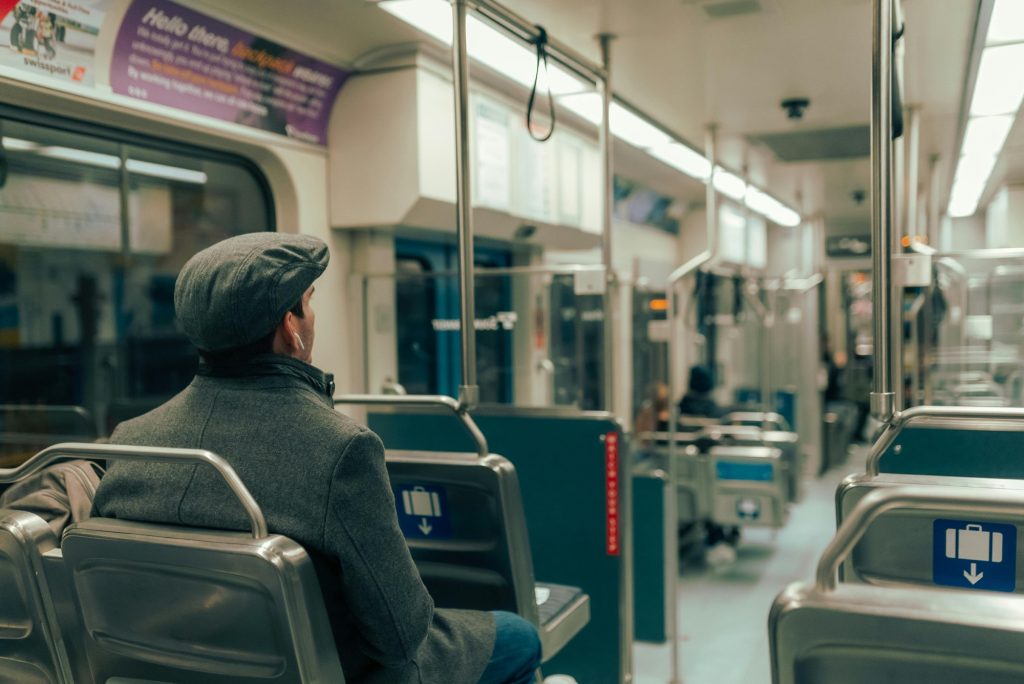
Transport Costs: The Hidden Budget Killer
Fuel, maintenance, public transport all cost more in 2026.
Many people assume transport costs are fixed. They are not.
Ways People Are Rebalancing Transport
• Carpooling twice a week
• Switching to public transport part-time
• Combining errands into one trip
• Working remotely one or two days
One office worker saved the equivalent of one month’s groceries just by reducing commuting days.
The 50–30–20 Rule Is Broken (And That’s Okay)
In 2026, many people feel guilty for not following classic budgeting rules.
Reality check:
• Rent is higher
• Food is more expensive
• Transport costs more
A realistic 2026 model looks like:
• 65% essentials
• 20% survival savings
• 15% flexible spending
Adjusting rules is not failure. It is adaptation.

Emotional Spending During Financial Stress
When life becomes expensive, people spend emotionally:
Cheap dopamine purchases Comfort food Online shopping
This is not lack of discipline—it is stress.
The solution is not punishment. It is awareness.
Replace:
“I deserve this” spending With: Planned comfort spending

How to Rebalance Without Feeling Miserable
Rebalancing expenses should not feel like punishment.
Keep:
• One small weekly treat
• One family tradition
• One personal joy
Money management must support life—not remove it.

Building a Buffer in an Unstable Economy
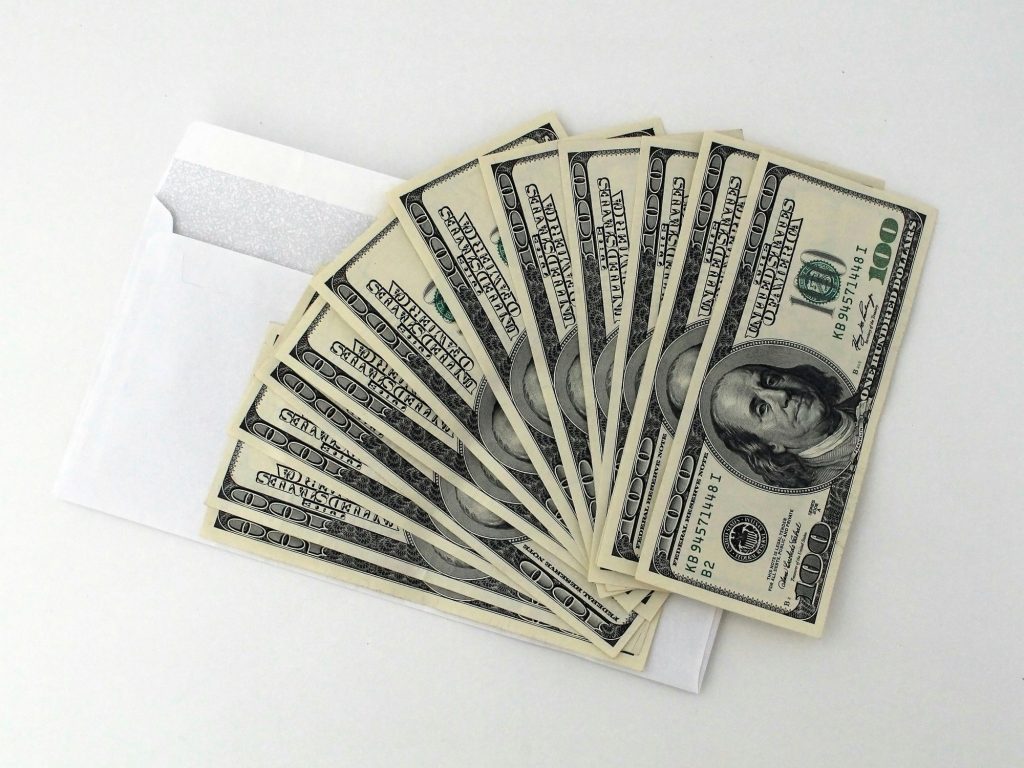
Even $20–$50 per month matters in 2026.
A buffer:
• Reduces anxiety
• Prevents debt
• Gives control
Start small. Consistency beats size.
Final thought: Rebalancing Is a Skill, Not a Sacrifice
Rebalancing expenses in 2026 is not about cutting joy.
It is about protecting your future.
When rent, food, and transport are aligned with reality, everything else becomes manageable.
You are not bad with money.
You are living in a hard time.
And adapting is strength.