Why everything feels expensive in 2026 is a question many people are quietly asking themselves. News headlines say inflation is lower. Governments say prices are stabilizing. Economists say things are improving.
But everyday life tells a very different story.
Groceries still shock you at checkout. Rent eats most of your salary. Electricity bills feel unreasonable. Eating out feels like a luxury. Saving money feels impossible.
If inflation is lower, why does life still feel so expensive?
This article explains the real reasons — in simple words, using real-life experiences that millions of people are living through but rarely talk about openly.
Inflation Being “Lower” Does Not Mean Prices Go Down
This is the first misunderstanding.
Lower inflation does not mean prices are falling. It only means prices are rising more slowly.
If groceries went up fast in previous years, those higher prices stay. When inflation slows, prices usually stop rising quickly but they do not return to old levels.
Many people expected relief. Instead, they got stability at a painful level.
Wages Did Not Catch Up With Past Price Increases
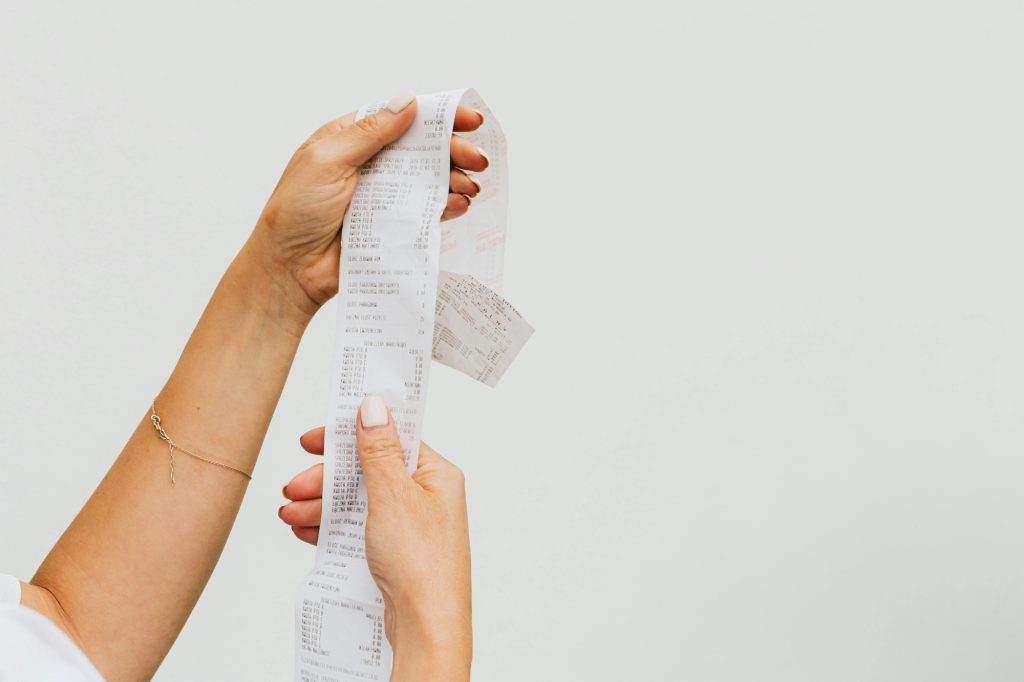
One of the biggest reasons everything feels expensive in 2026 is that wages lag behind.
Prices increased rapidly in earlier years. Salaries did not.
Even when wages increased slightly, they often:
• Failed to match rent increases
• Failed to match food costs
• Failed to match healthcare expenses
So while inflation slowed, people were already behind.
Many workers feel like they are running on a treadmill that keeps getting faster.
Everyday Essentials Took the Biggest Hit
Inflation did not affect all things equally.
Luxury items can wait. Essentials cannot.
The biggest price increases happened in:
• Food
• Rent
• Energy
• Transportation
• Insurance
These are things people cannot easily avoid. When essentials rise, stress rises with them.
This is why people feel poorer even if their income stayed the same.
Shrinkflation Made Life More Expensive Without Looking Like It
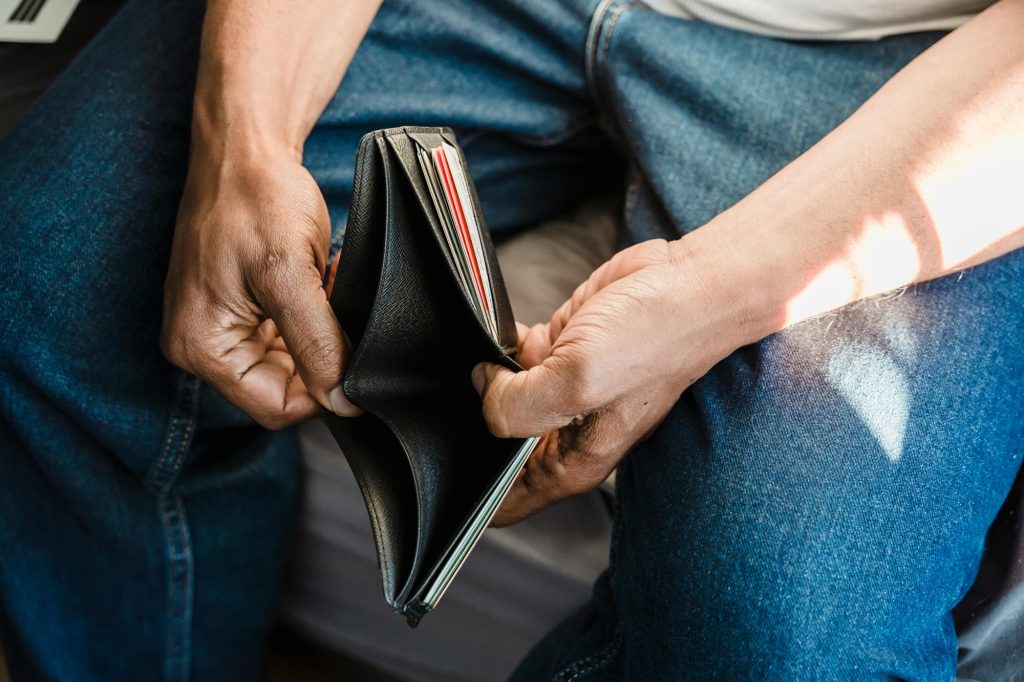
Shrinkflation is one of the quiet reasons everything feels expensive.
Packages got smaller. Portions shrank. Prices stayed the same — or increased.
People now pay more for less, often without noticing immediately.
A grocery trip that once lasted a week now lasts four days.
This creates a feeling that money disappears faster than before.
Housing Costs Are Still Crushing Households
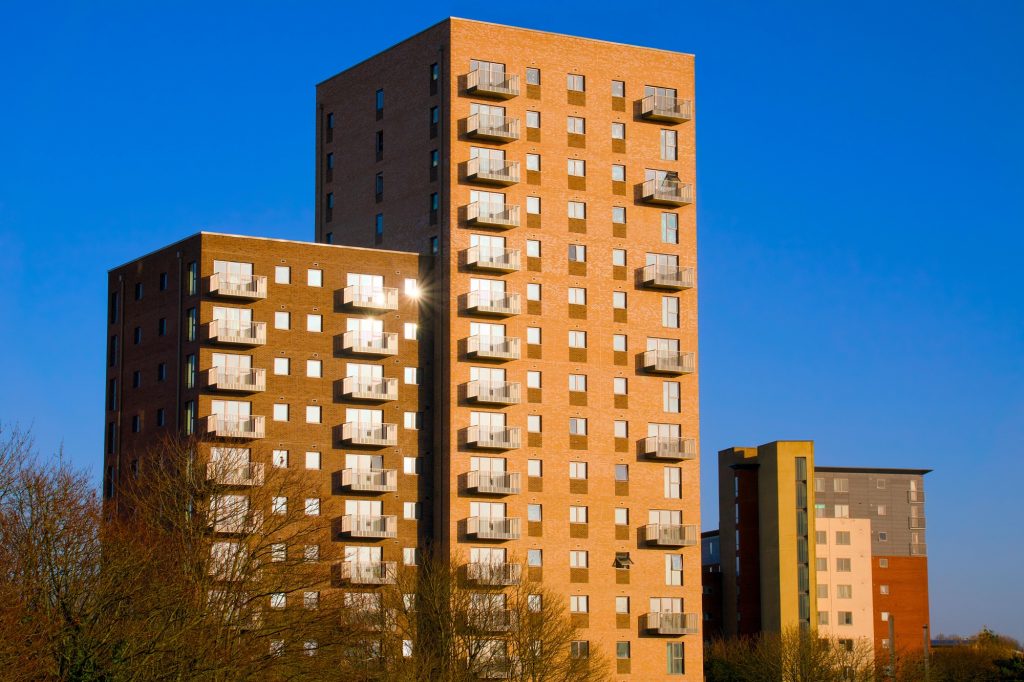
Rent and housing costs did not cool down for most people.
Even if price growth slowed, rents stayed extremely high.
Many families now spend:
• 40% to 60% of income on housing
• Less on savings
• Less on emergencies
Once housing eats your income, everything else feels expensive even basic items.
Lifestyle Costs Quietly Increased Over Time
Some expenses crept up slowly:
• Subscriptions
• Mobile plans
• Internet
• Streaming services
• App fees
Each increase felt small. Together, they became heavy.
People didn’t suddenly start living better they just started paying more to live the same way.
Debt Became More Expensive to Carry
Interest rates rose before inflation slowed.
That means:
• Credit card debt costs more
• Loan payments increased
• Mortgage stress increased
Even if prices stopped rising, debt payments stayed high.
People feel trapped because past borrowing now costs more every month.
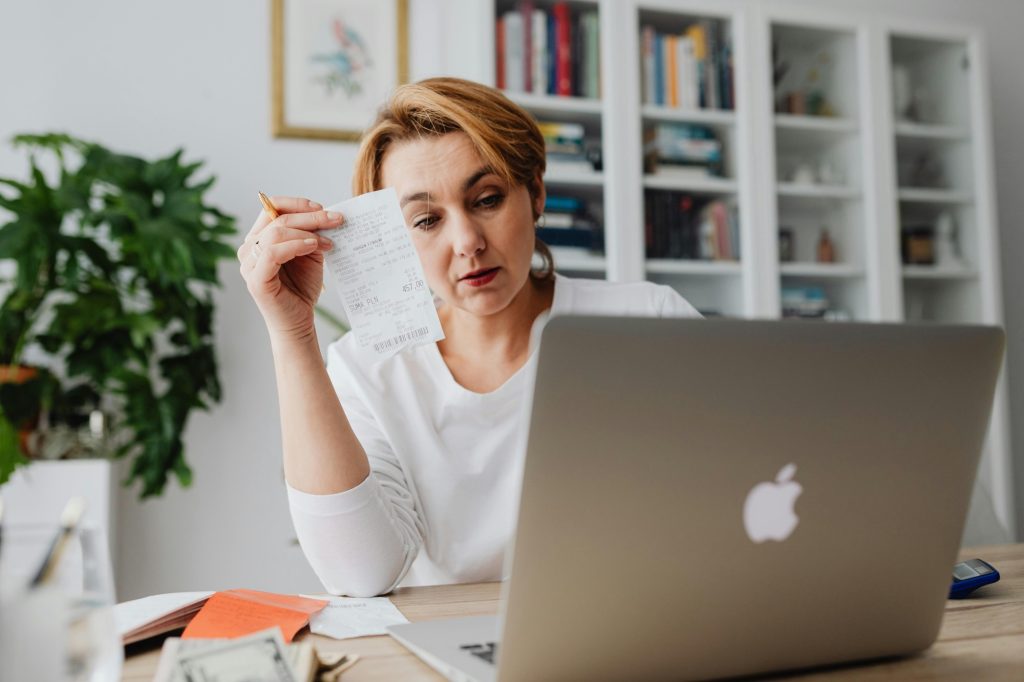
Psychological Impact Makes Prices Feel Heavier
Money stress changes how people experience prices.
When finances are tight:
• Small costs feel painful
• Unexpected expenses feel scary
• Spending creates guilt
Even reasonable prices feel expensive when confidence is low.
This emotional weight is rarely mentioned — but it matters.
Social Media Created Unrealistic Comparisons
People see others traveling, upgrading homes, buying gadgets.
What they don’t see:
• Debt
• Family support
• Financial anxiety
This comparison creates pressure to spend — and shame when you can’t.
The result is emotional exhaustion, not financial progress.
Emergency Costs Are More Common Now
Medical bills. Repairs. Family emergencies.
Life feels fragile because unexpected costs happen more often and savings are thinner.
Even small emergencies now cause panic.
This is why people say they feel broke even when inflation is “lower.”

Why Official Numbers Don’t Match Real Life
Inflation data measures averages.
But people don’t live on averages. They live on:
• Their rent
• Their grocery store
• Their salary
If your personal costs rise faster than the average, inflation feels meaningless.
That gap between data and daily life creates frustration and distrust.
What People Are Quietly Doing to Survive
Behind closed doors, many people are:
• Cutting meals
• Delaying medical care
• Skipping savings
• Working extra hours
• Using credit to survive
They don’t talk about it but it’s happening everywhere.
How to Cope When Everything Feels Expensive
While you cannot control the economy, you can protect yourself emotionally and financially.
Focus on:
• Essentials first
• Reducing silent subscriptions
• Tracking spending honestly
• Avoiding lifestyle inflation
• Building even small savings
Control reduces fear . Even when money is tight.
The Truth Nobody Says Out Loud
Life feels expensive because it is expensive — for most people.
Lower inflation does not erase past damage.
The struggle you feel is real. It is shared. And it is not a personal failure.
Final Thoughts
Why everything feels expensive in 2026 has less to do with headlines and more to do with lived experience.
Prices rose faster than wages. Essentials stayed high. Debt costs increased. Stress became normal.
Understanding this doesn’t fix everything — but it removes shame.
You are not imagining it.
You are not alone.
And you are not failing.
You are living through a difficult economic chapter.